MACHINERY PAINTING
Machinery Painting Services
✓ NC License #82081 ✓ Fully insured ✓ ISNetworld · Avetta · MSHA
Our Clients Include



Industrial coatings for the equipment that runs your operation
The machines that move your business don't get to take a day off, and when one goes down, the cost shows up fast: lost production, emergency repair, or a replacement quote you weren't planning for. A good industrial coating is worthwhile insurance against all three, protecting the equipment you've invested in from the factors actively working against it.
This isn't a fresh coat of paint, and your equipment isn't a wall. It's a totally unique process, calling for an equally unique perspective and level of experience.
Why heavy machinery and equipment needs more than paint

Regular paint gives equipment a little protection against moisture and oxidation, but in an industrial environment, a little isn't enough. Your machines live through extreme heat and cold, water exposure, impacts, corrosion, rust, chemicals, and constant abrasion, often several at once.
Industrial coatings are engineered for exactly that. The right epoxy or urethane coating is built to take chemical exposure and physical abuse, all while protecting the metal underneath. The result is equipment that lasts longer between rebuilds and holds its value when it's time to sell or trade it.
The details are the whole job
Equipment isn't a flat surface you can roll in an afternoon. It has nooks, corners, recesses, and specialized parts, and the difference between a coating job that protects your machine and one that offers no lasting value is entirely in the prep and the masking.
We know the drill. And the combine, the conveyor belt, and the boat winch. The work starts with cleaning, pulling off the oil, grease, and contaminants that no coating will bond over, using the right cleaner for your facility. Then the parts that should never get painted get protected: electrical components, sensors, designation and safety plates, moving assemblies. Only then does coating go on. Done in the wrong order, painting equipment is how you turn a maintenance task into a repair bill.
What we coat, and how we protect it
A few things worth knowing about how we work:
We work around your production. Most equipment coating happens when machines are offline and can be safely locked out and tagged out, which often means nights and weekends. We schedule around your operation, not the other way around.
We protect what shouldn't be painted. Electrical components, gauges, sensors, and ID plates get masked and protected before anything is applied.
We can color-code to ANSI standards. Conduits, lines, and components painted to standard so your team can identify them at a glance, which is a safety win as much as an organizational one.
We specify for the abuse it'll take. The coating matches the equipment's real working conditions and your budget, not a one-product-fits-all default.
Why facility and plant managers trust us
35+ years on industrial equipment
In plants, labs, commercial operations, and maritime environments. We've coated a lot of machines, and we know where they fail.
We respect the lockout/tagout rules
And the realities of a working facility, because we work in them constantly.
We do the prep that protects your machine
Not just the coat that covers it. The masking and cleaning is most of the job and most of why the result holds.
We tell you when a coating won't solve it
If a piece of equipment is past the point a coating helps, you'll hear that from us before you spend on it.
Project example
View a recent machinery painting project
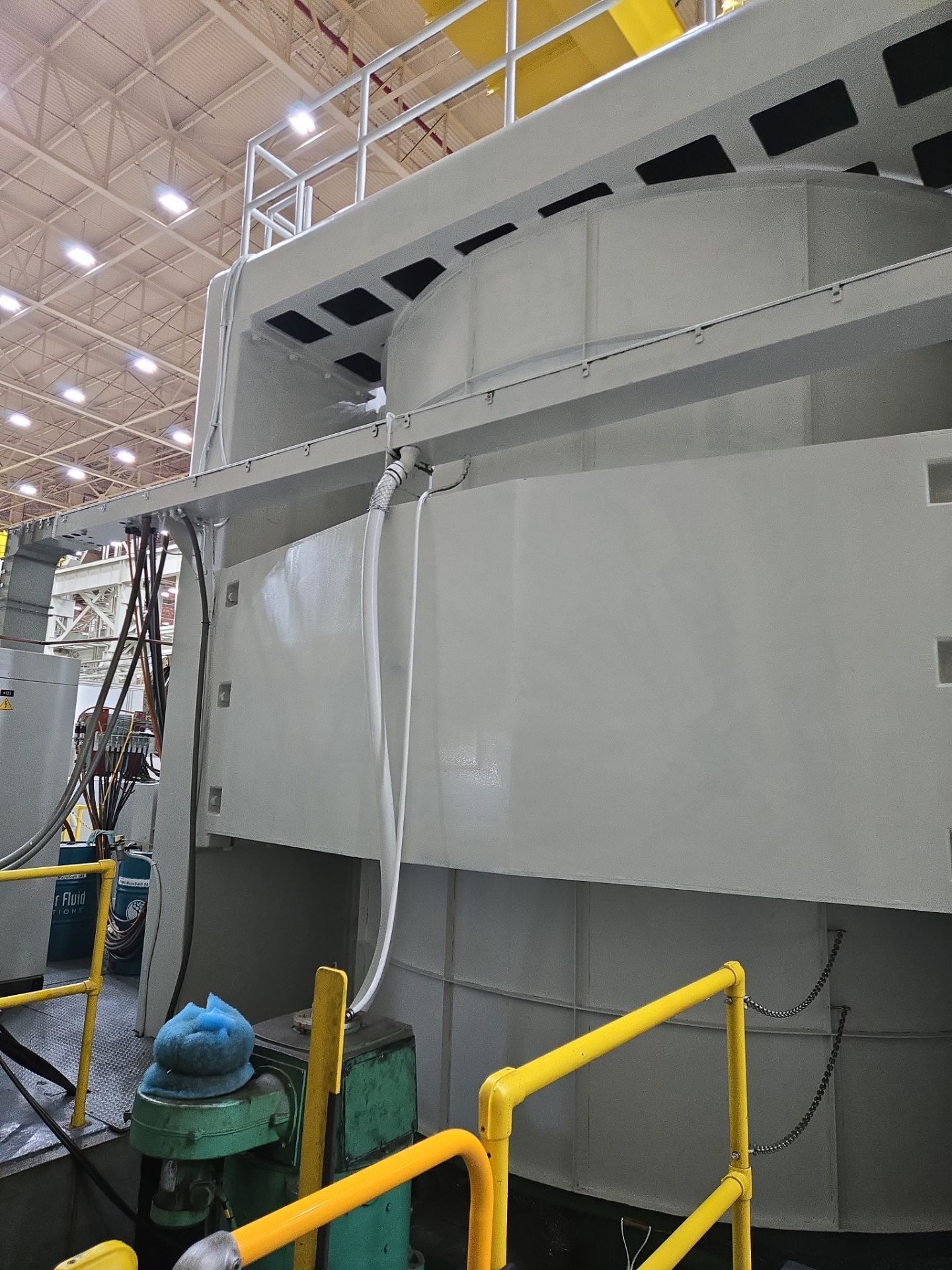
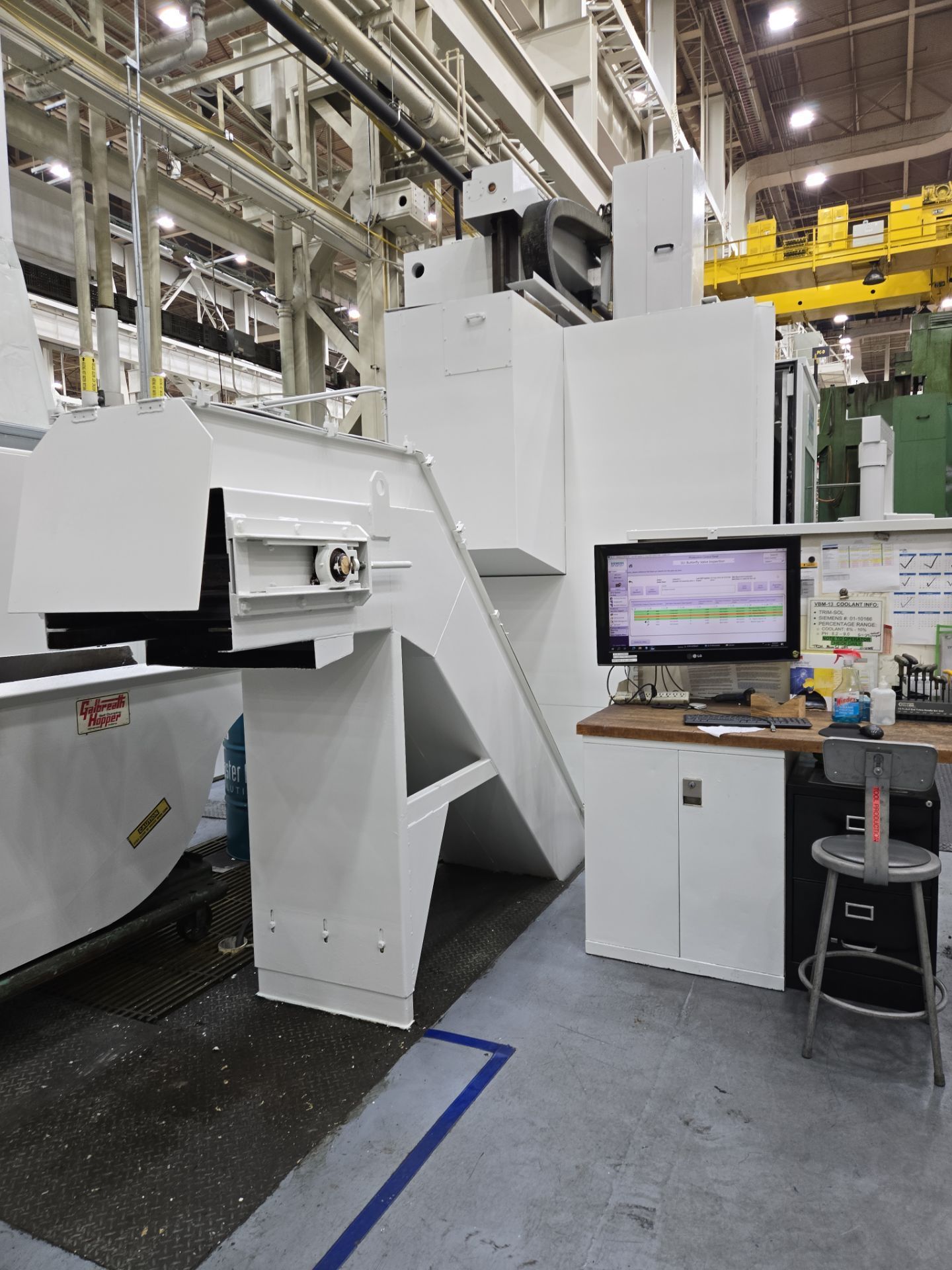
Project: Seimens
Location: Charlotte, NC
Client Type: Industrial Manufacturing Facility
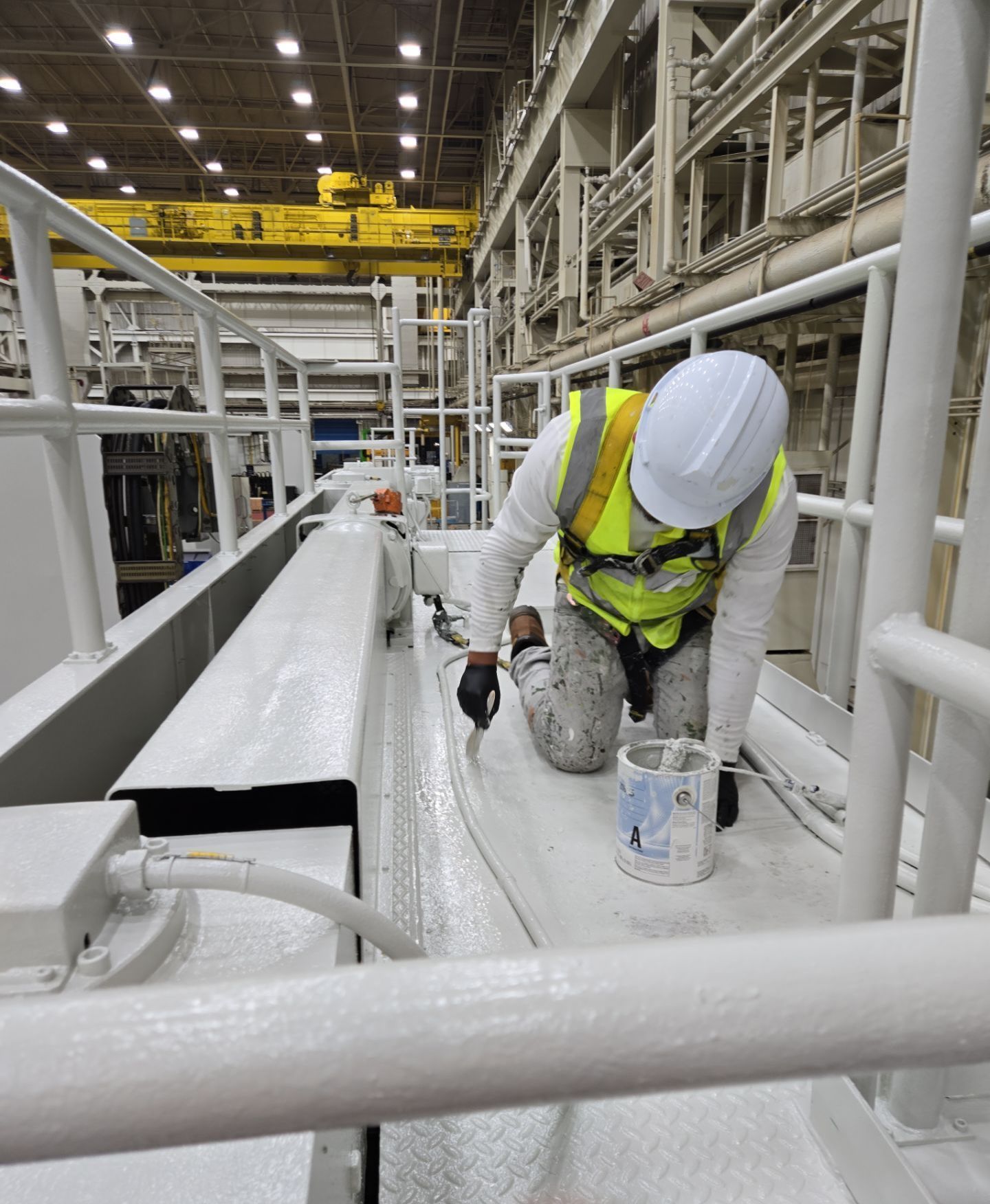
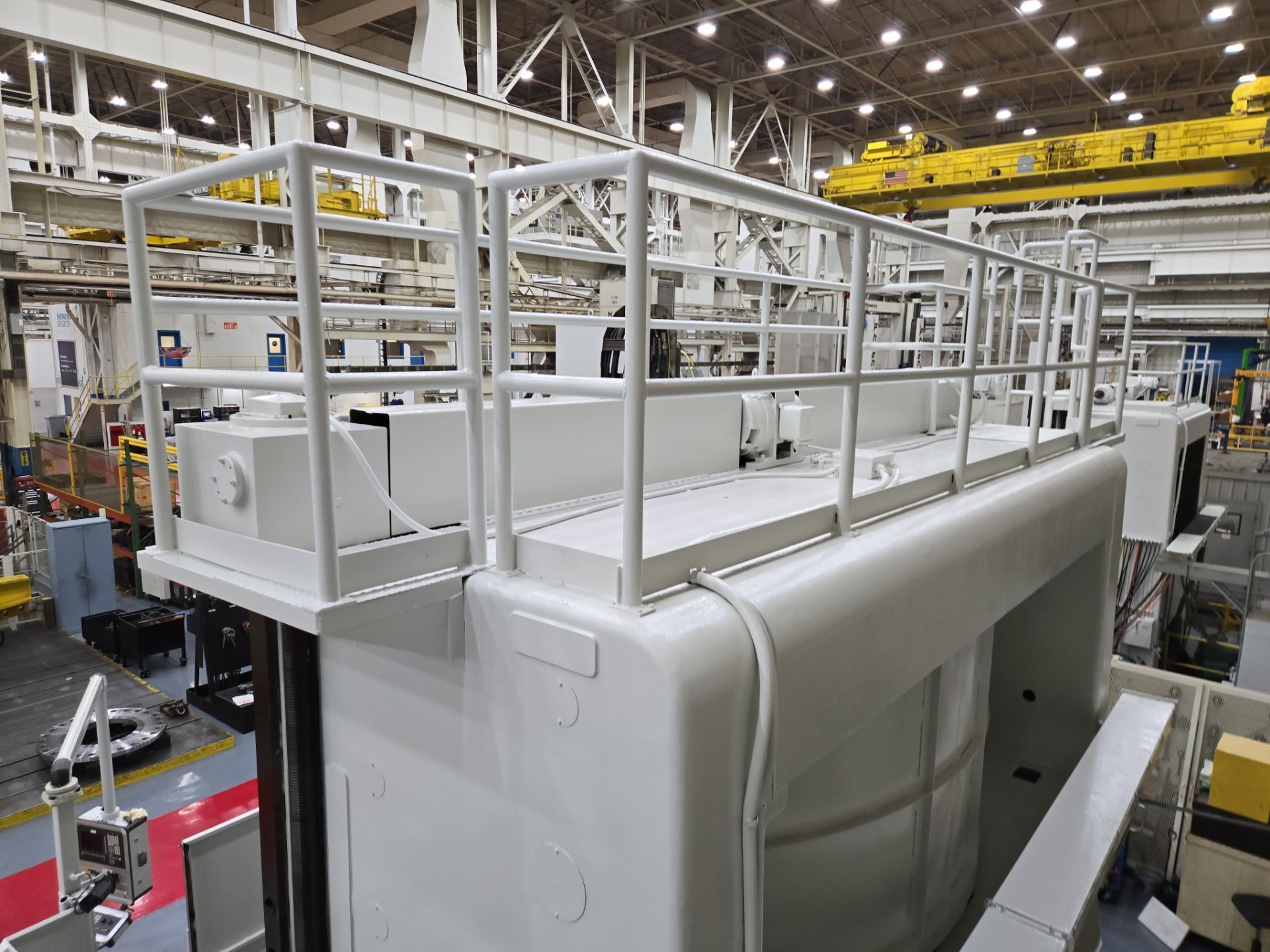
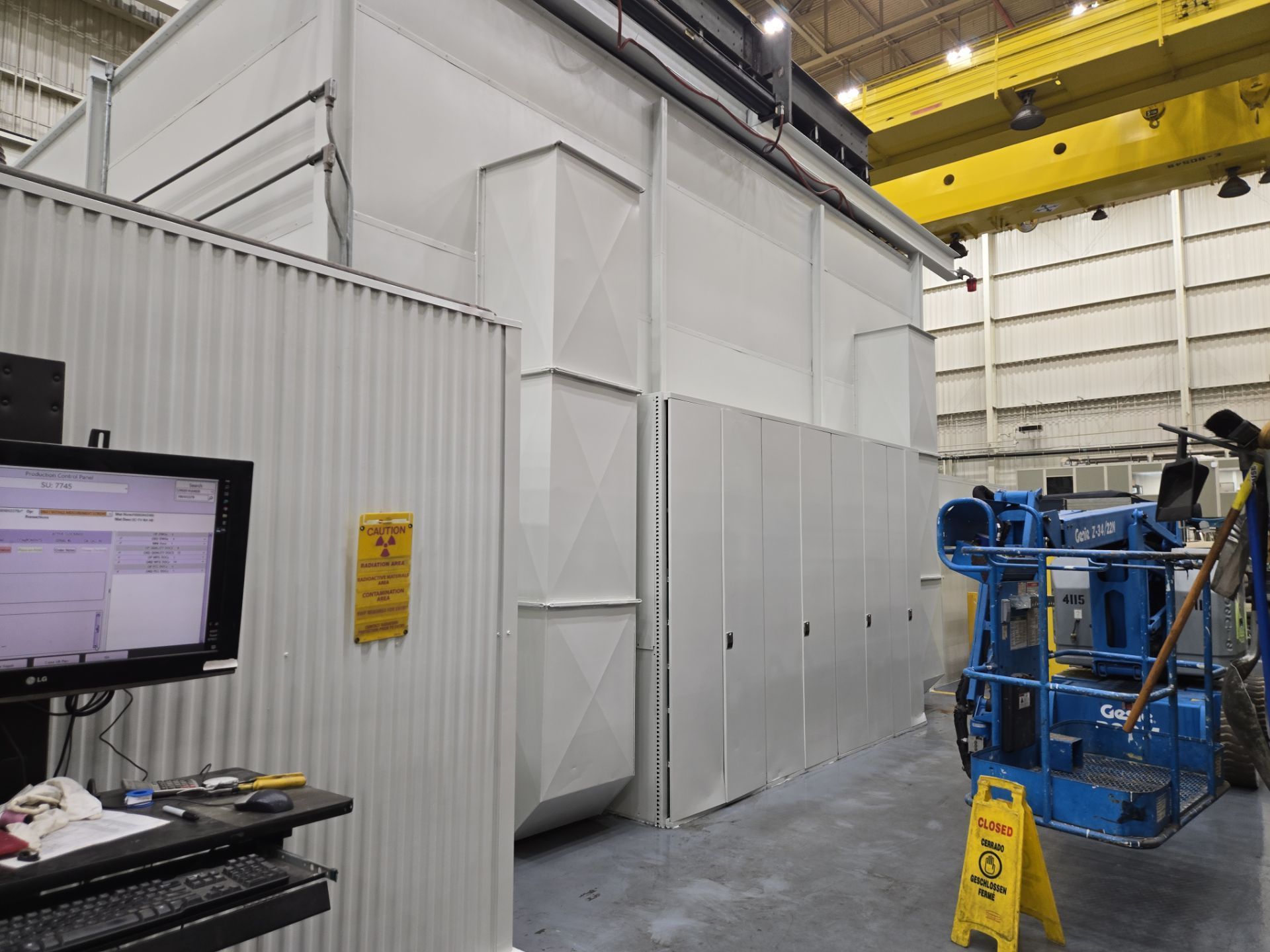
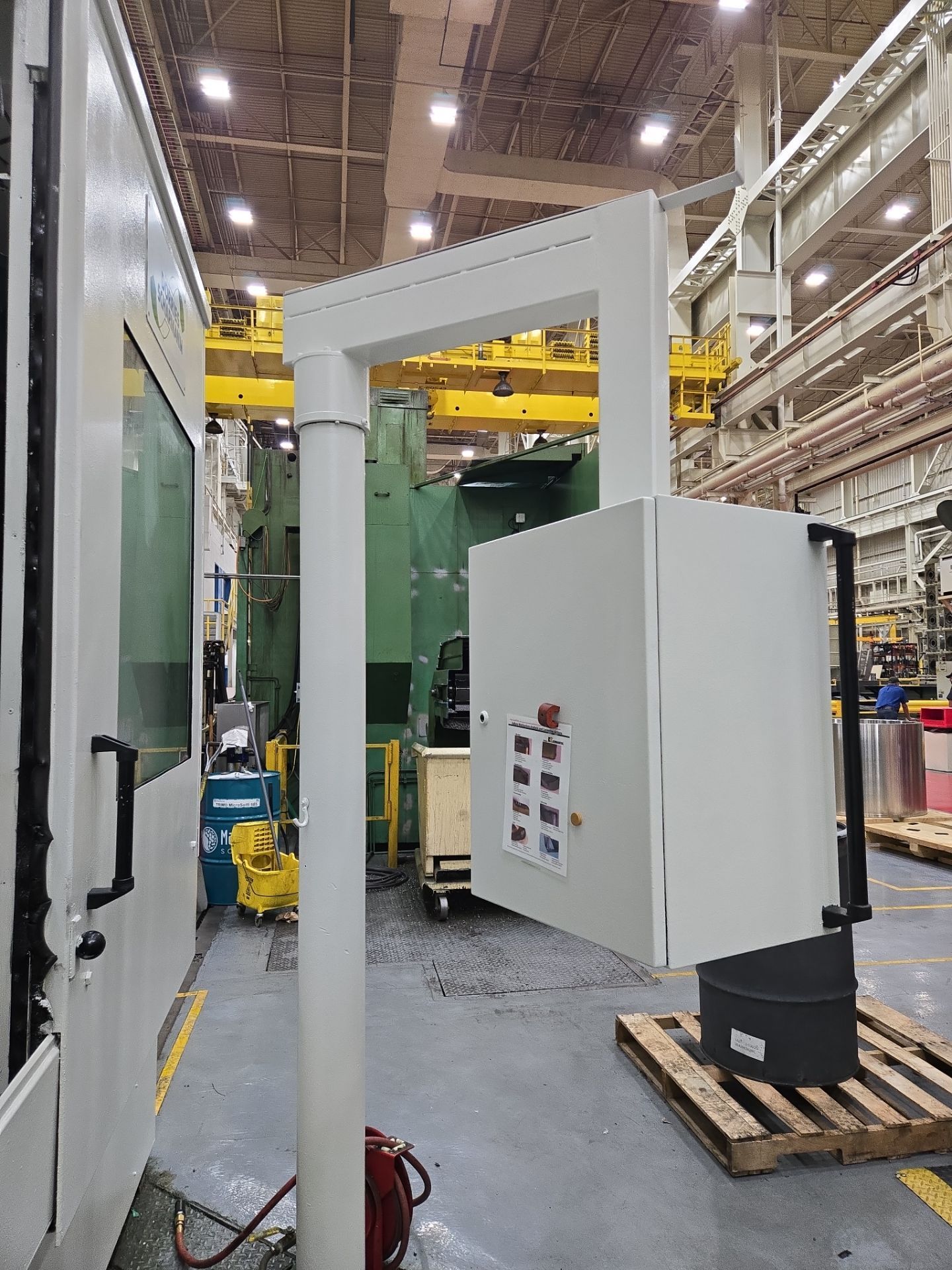
Project Summary: Custom Coatings completed the restoration of eight large industrial machines in an active manufacturing facility. The project required extensive cleaning to remove oil and contaminants, thorough surface preparation, masking of sensitive components, spot priming, and the application of a high-performance epoxy and urethane coating system. Careful coordination with the facility team ensured each machine was painted according to operational requirements while minimizing disruption to production.
FAQ's
How do you clean equipment before painting?
By hand, thoroughly, with the right cleaner for your facility. That usually means degreasers, acetone, or denatured alcohol, sometimes a specialty cleaner that won't react with the coating. We pressure wash only when it's feasible, which on most equipment it isn't. The cleaning matters because no coating bonds over oil or contamination, it just fails faster.
Can you paint machines while they're in use?
Maybe. If there are large sections with no moving parts and we can work clear of production, it's a cautious yes. But most equipment work needs the machine offline and locked out, tagged out, for safety. Either way, we work around your schedule. Nights and weekends are no problem.
What kind of paint do you use?
It depends on two things: your budget and the abuse the coating has to survive. Some alkyd paints hold up fine on equipment, but for chemical resistance and real durability we'll usually specify epoxy or urethane. The right answer comes from what the equipment actually goes through, which is part of what we'll talk through before quoting.
Can you color-code the different parts?
Yes. We can paint conduits and lines to ANSI standard color charts so everything coming into your machine is easy to identify, and finish the equipment itself in whatever colors you want. It's a small thing that makes a real difference for safety and maintenance.