

MAINTENANCE PLANS
Maintenance Plans Overview
✓ NC License #82081 ✓ Fully insured ✓ ISNetworld · Avetta · MSHA
Our Clients Include





Stay in the driver's seat: planned maintenance lets you protect your time, your property, and your budget
Every building is on a maintenance schedule. The only question is whether you set it, or it was set for you by time and the elements.
When you set it, work happens on your calendar, in your budget, before a small problem becomes a big one. When the weather sets it, you find out on its terms: a leak during a storm, a coating that fails mid-season, a floor that has to close during your busiest week. The work was coming either way. Planning it costs a fraction of reacting to it, and it never shows up at the worst possible moment.
That's the whole idea behind maintaining a building instead of repairing it. And it’s why we’re so focused on being an education-first company. We want you to be empowered by your options, and to really know the “why” behind our services and approach.
What maintenance looks like, surface by surface

Maintenance isn't one standalone item. It's keeping each part of your building doing its job, on a schedule, reducing surprises. Here's what that looks like across the work we do:
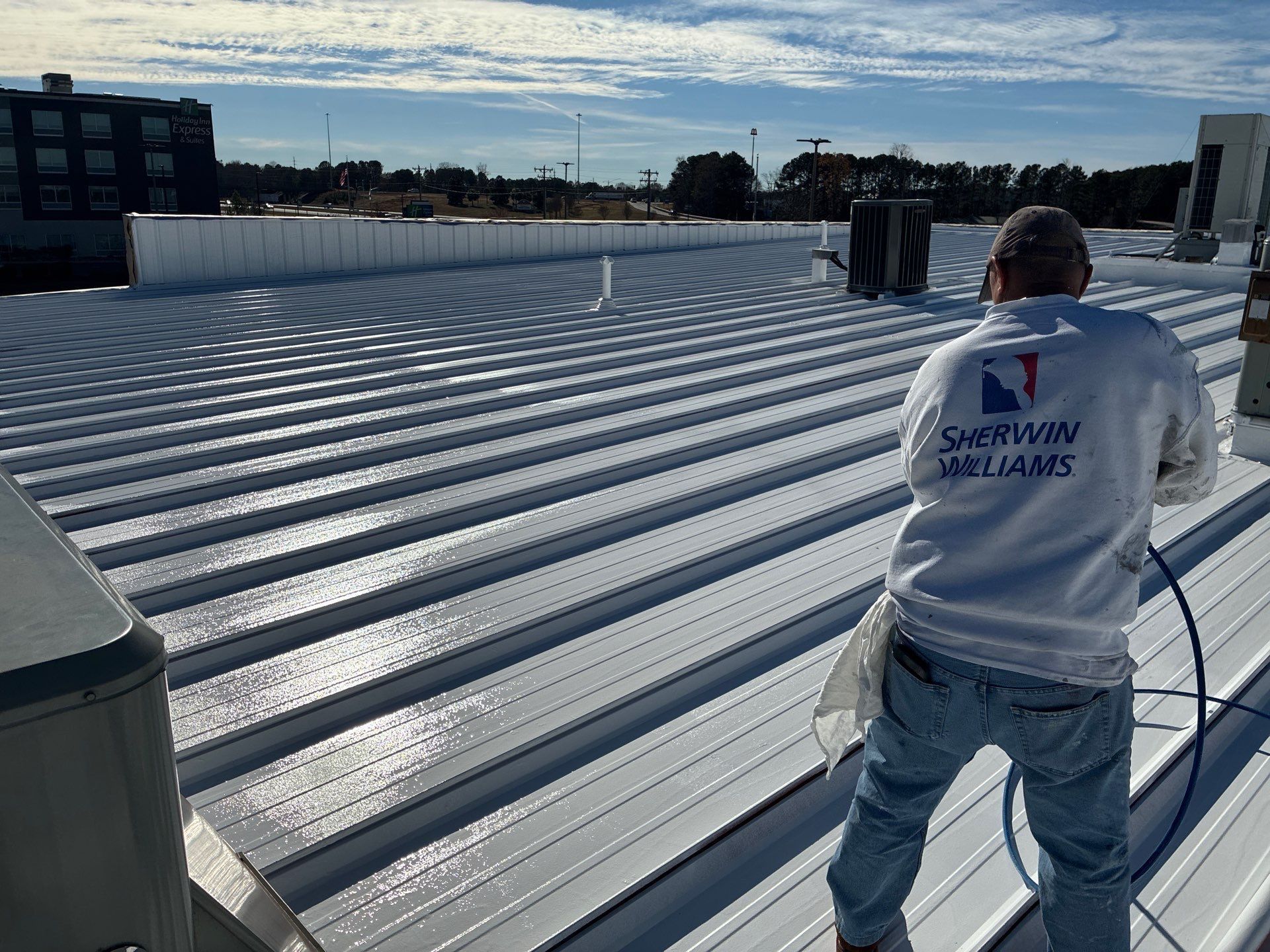
Roof coatings
Roofs are out of sight until they leak. A periodic inspection catches ponding, worn spots, and failing seams while they're still small, and a scheduled recoat extends the roof's life long before replacement enters the conversation.
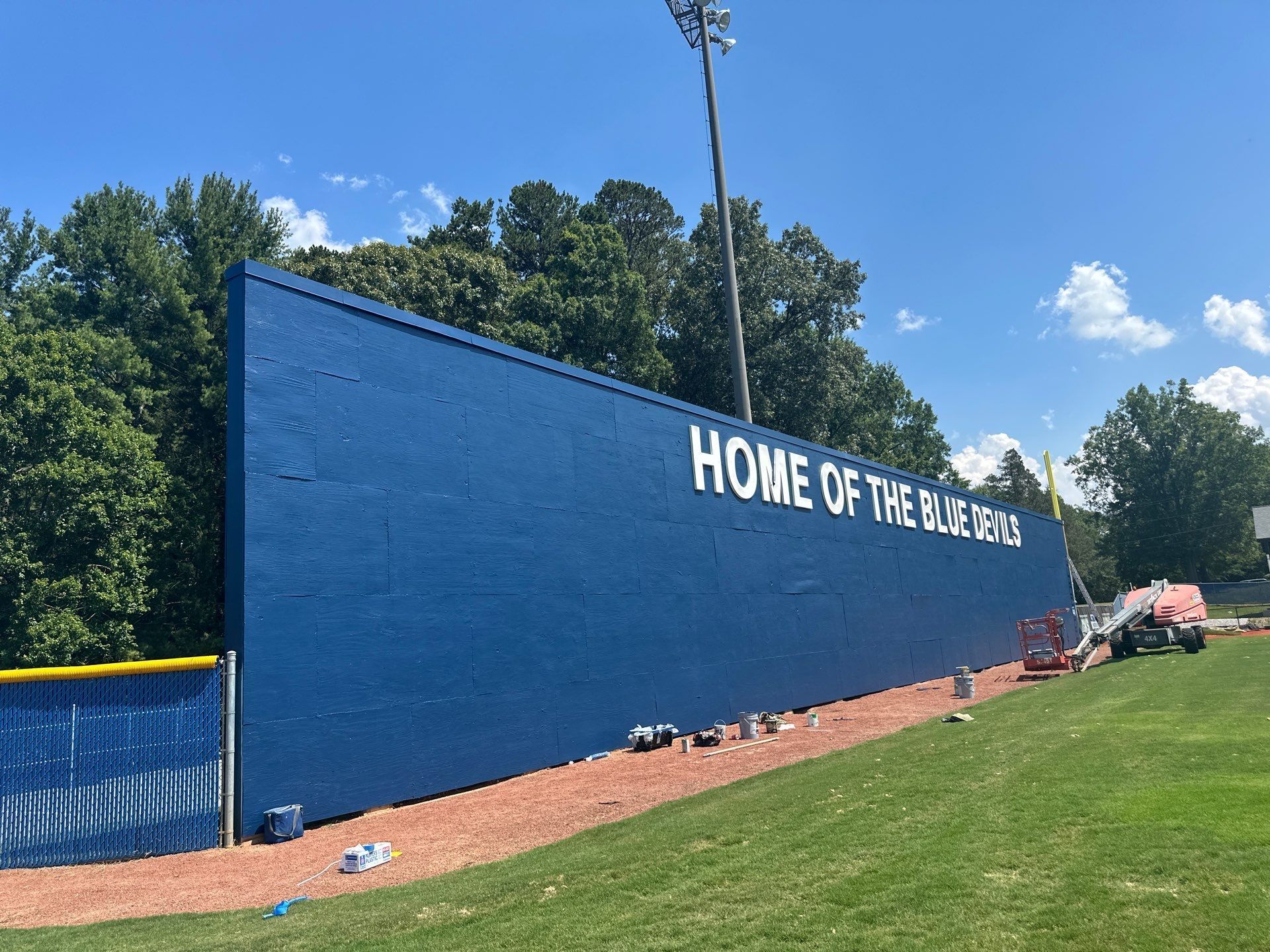
Commercial paint and coatings
Exterior coatings don't fail all at once. They typically chalk, fade, and let go at the joints first. Recoating on schedule, before the substrate is exposed, keeps a repaint from becoming a repair.
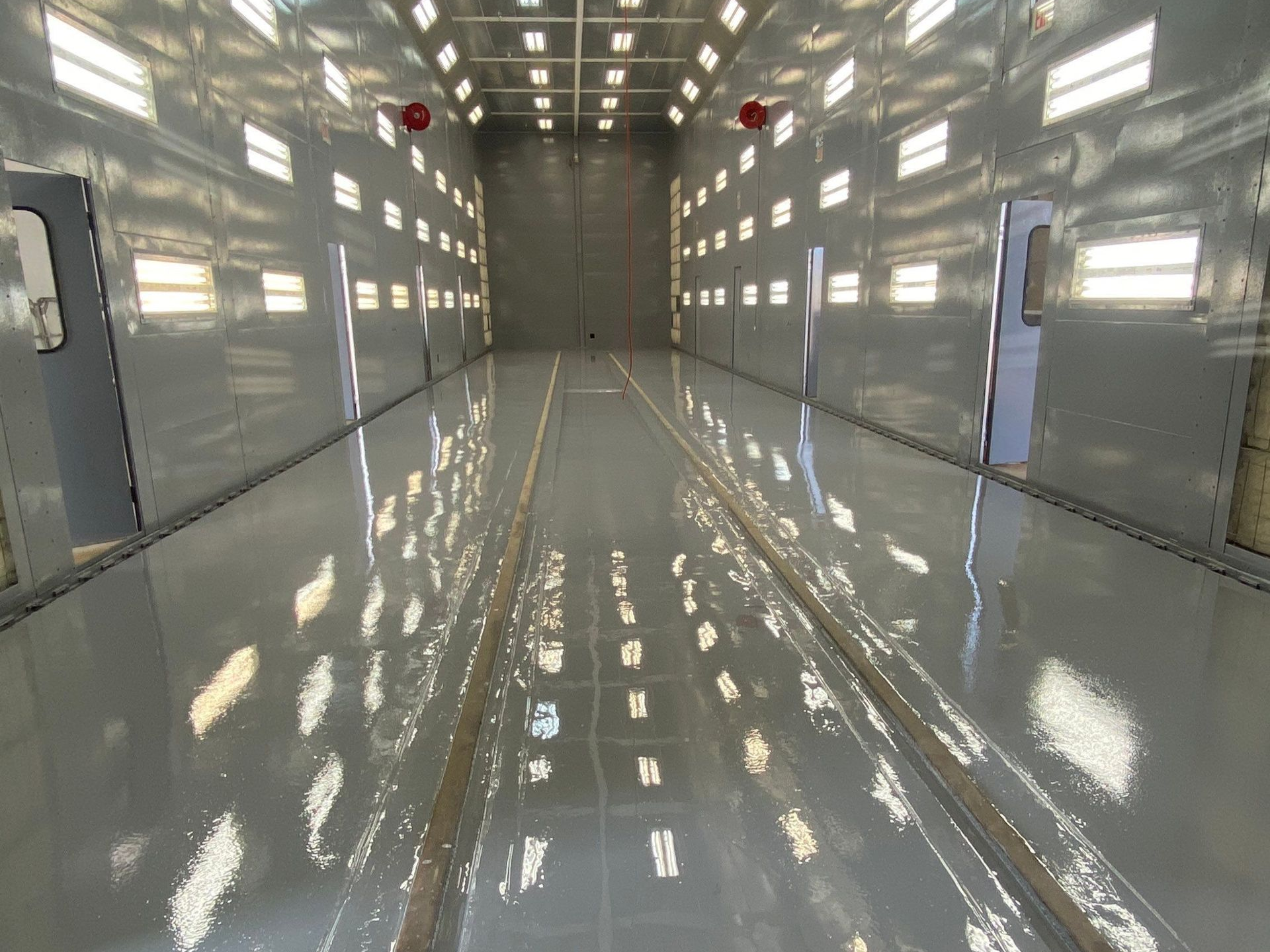
Floors
A coated or polished floor wears in the high-traffic lanes first. Recoating those areas on a cycle keeps the protective layer intact, so the floor underneath never takes the damage and you don’t face a premature system failure.
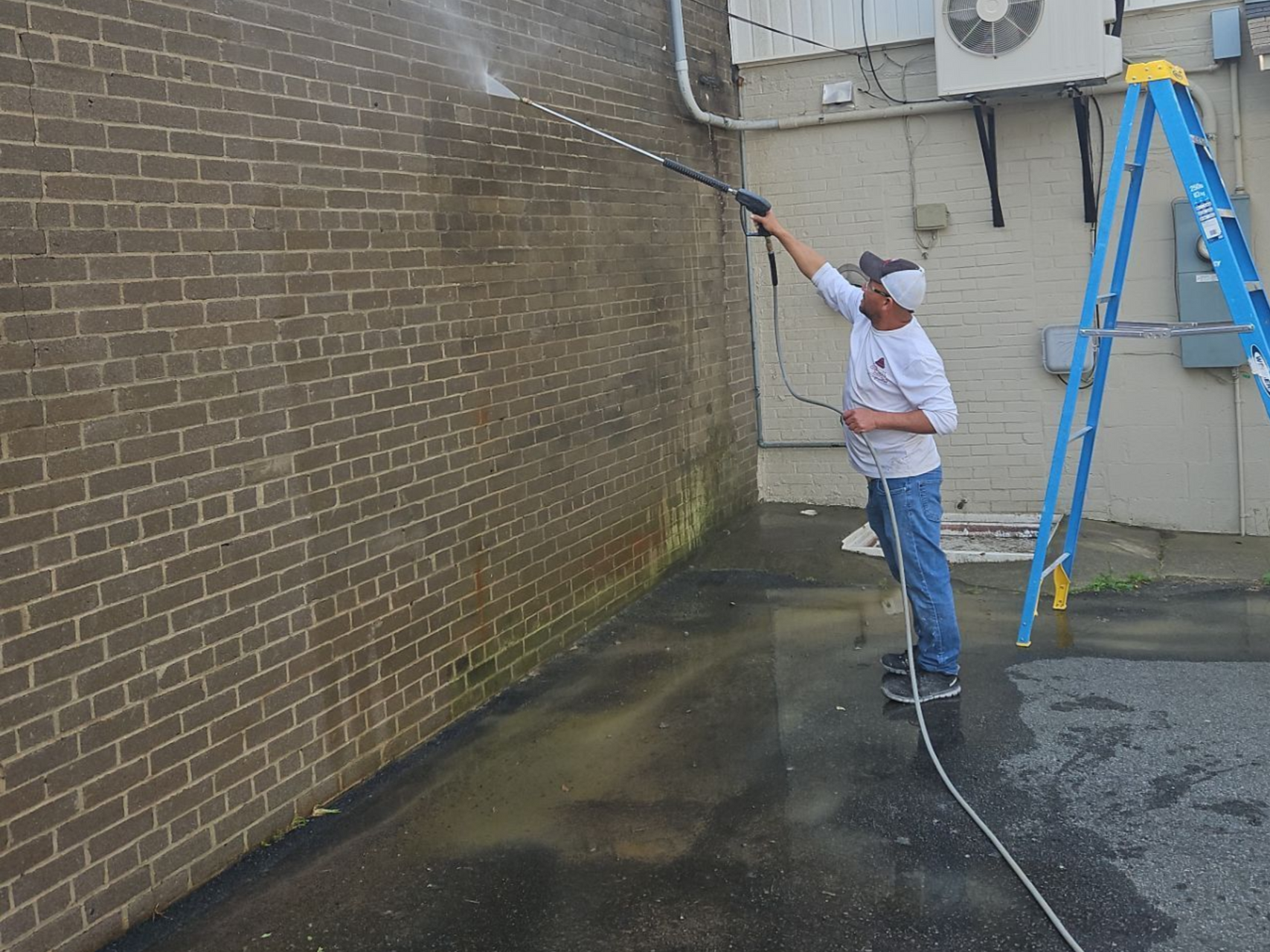
Waterproofing and sealants
Every sealant has a clock: joint sealants can run 20 years, coatings 5 to 10, penetrating sealers less. Knowing where each one is in its life, and resealing before it fails, is the difference between maintenance and water damage.
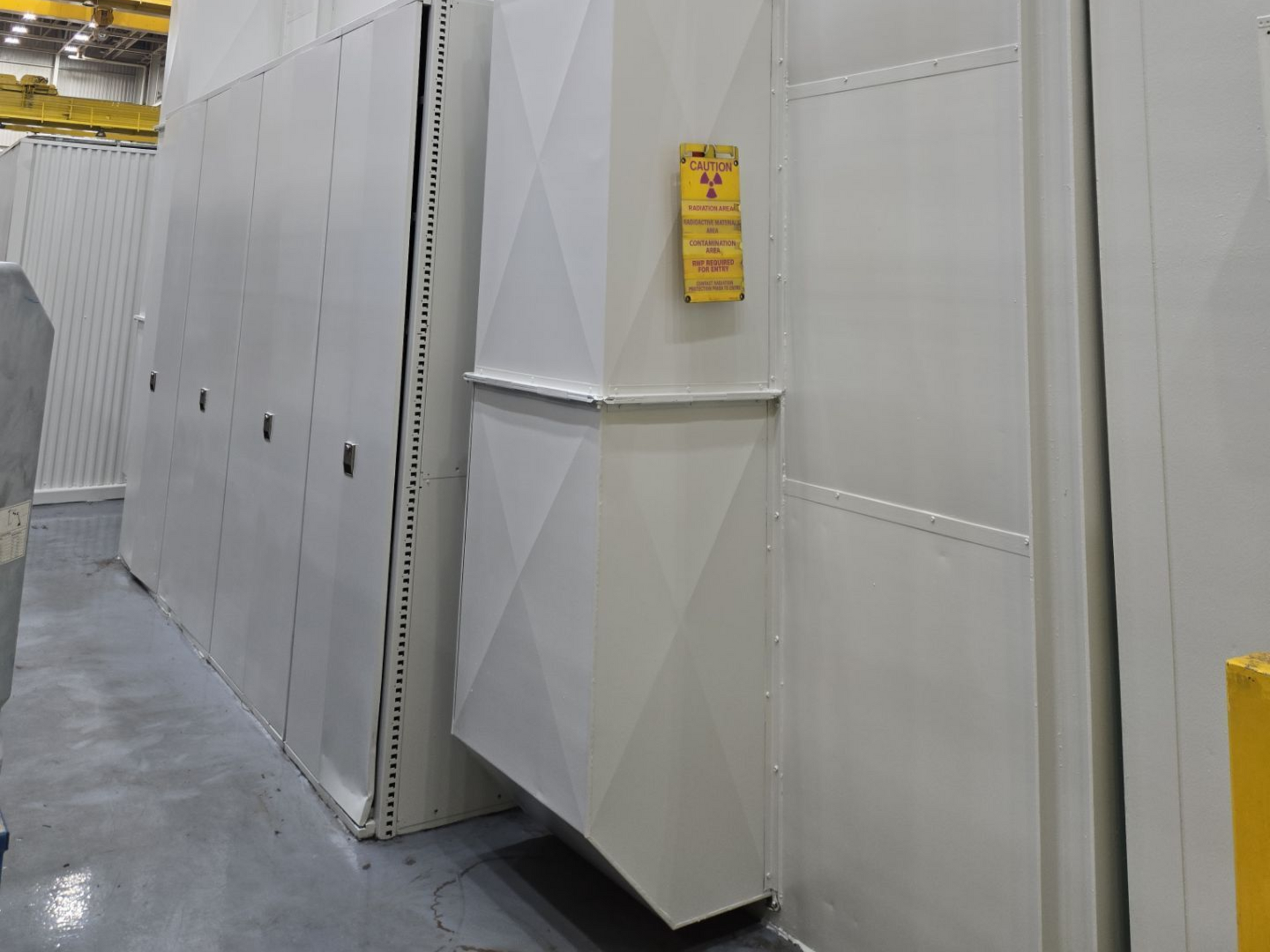
Industrial equipment and steel structures
Coatings on machinery, tanks, and towers are the barrier against corrosion. Inspecting and touching them up on a schedule keeps rust from getting a foothold, which is far less costly than restoring steel that's already pitted.
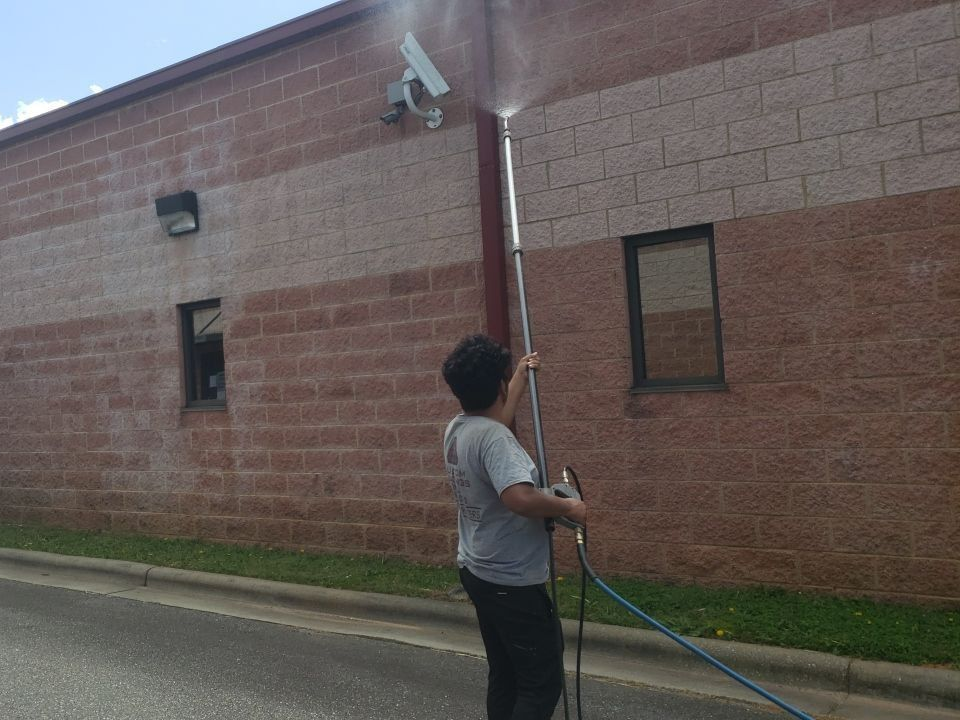
Pressure washing
The simplest maintenance there is, and the most overlooked. Regular cleaning removes the dirt, mildew, and buildup that degrade coatings and surfaces, and it's the first step in spotting problems before they spread.
A maintenance plan keeps your building ahead of the problems
Here's where it comes together. Instead of remembering to call when something looks off, you have a customizable maintenance plan built around your building and your schedule. Predictable, planned, and proactive.
What that means in practice: we already know your building. We're watching the roof, the floors, the coatings, the joints, on a cadence that fits how you operate, so problems get caught and handled before they interrupt you. You also get a single partner who understands the whole building envelope, work you can budget for instead of brace for, and the confidence of knowing someone's keeping an eye on it.
Why facility managers keep us on the calendar
35+ years, and a lot of long relationships
Most of our work comes from buildings we've maintained for years.
We know the whole envelope
Roof, walls, floors, coatings, and joints, so a maintenance plan covers the building as a system, not a series of disconnected fixes.
We tell you what doesn't need doing
A maintenance partner you trust is one who'll say "that can wait another year" when it can. We'd rather keep the relationship honest than pad the schedule.
We catch it early because we're already looking
The advantage of a plan is that nothing waits for you to notice it.