
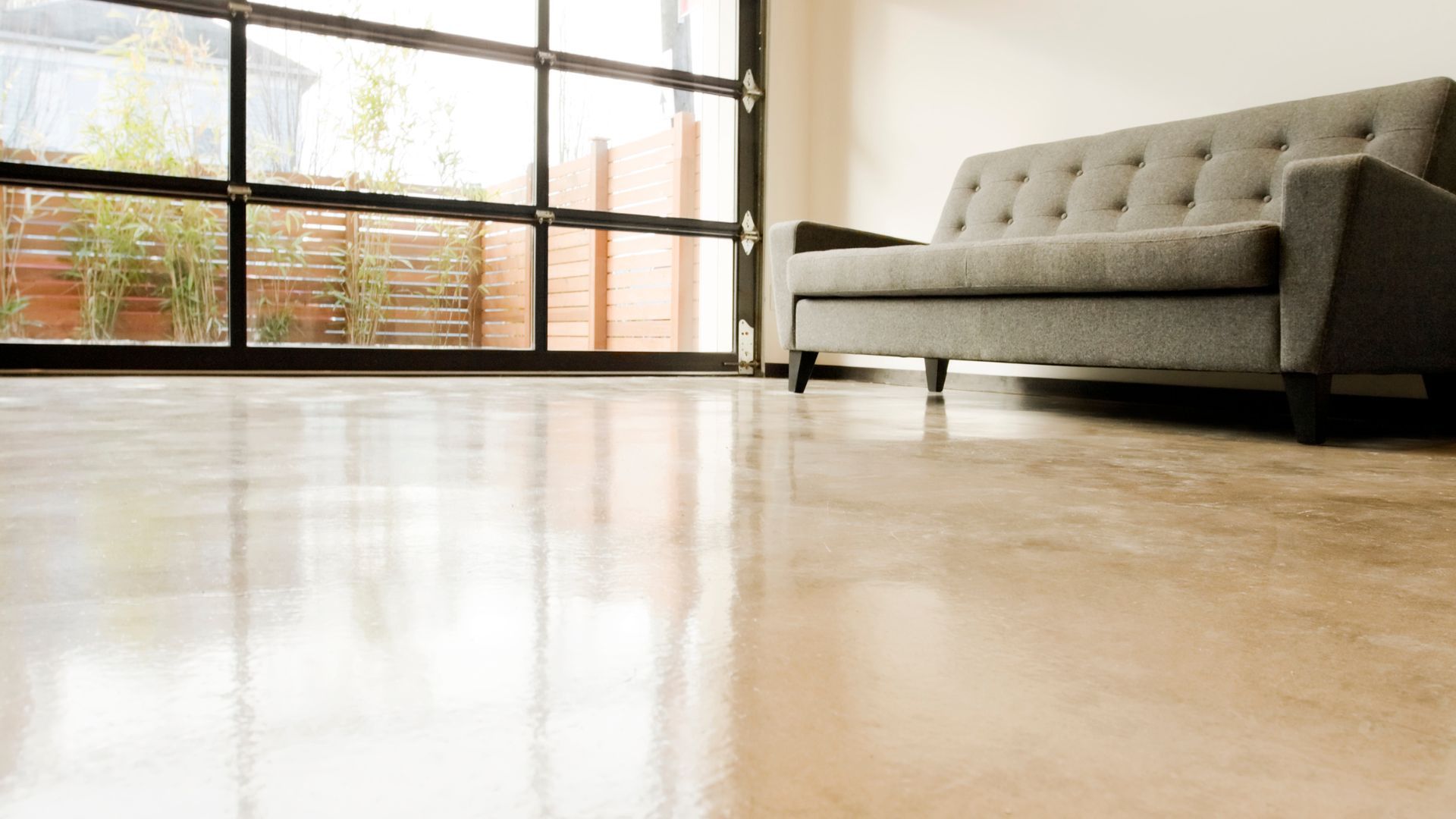
Choosing the right concrete floor coating can be tricky. One fact stands out: Epoxy and polyurethane coatings are top picks, each with unique benefits. This article will guide you through their pros and cons, helping you make an informed decision.
Keep reading to find out which is best for you.
Key Takeaways
- Epoxy coatings create a tough, protective layer on concrete floors that can handle heavy traffic and resist chemicals. They bond well with the floor, making them durable but require careful installation.
- Polyurethane coatings offer excellent resistance to UV rays and scratches, keeping floors looking new for longer. They’re flexible, which means they handle temperature changes well but are not as resistant to chemicals as epoxy.
- Maintaining both types of coatings involves different processes; epoxy might need a topcoat to stay glossy while polyurethane requires reapplication to maintain its protective qualities against wear.
Understanding Different Types of Concrete Floor Coatings
Different concrete floor coatings offer unique benefits and challenges. From the tough durability of epoxy to the flexible wear resistance of polyurethane, each type serves a specific purpose.
These coatings protect floors from damage, improve their look, and extend their life. Knowing what each coating does helps in making the right choice for commercial spaces.
Epoxy
Epoxy coatings are a popular choice for protecting and enhancing concrete floors. Custom Coatings Inc. offers this durable option, ensuring client satisfaction with their services.
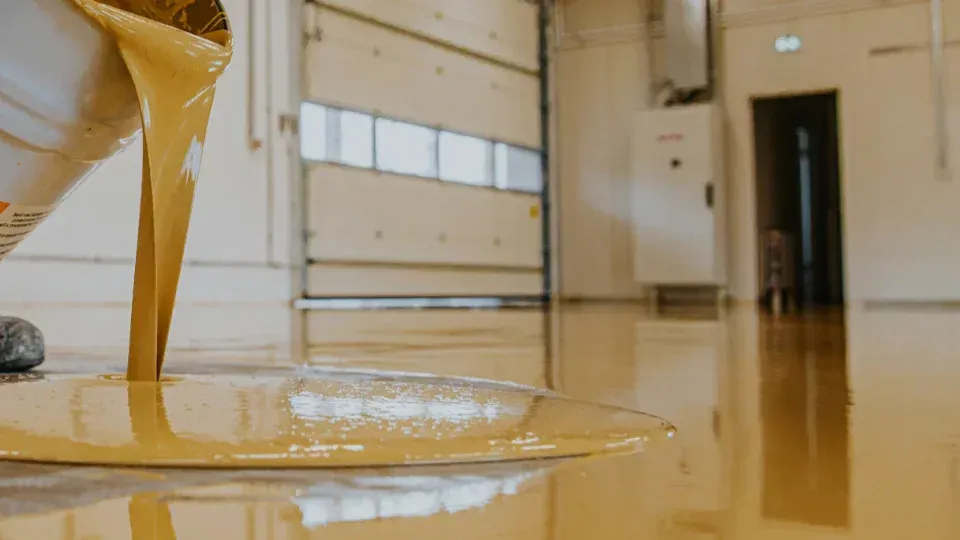
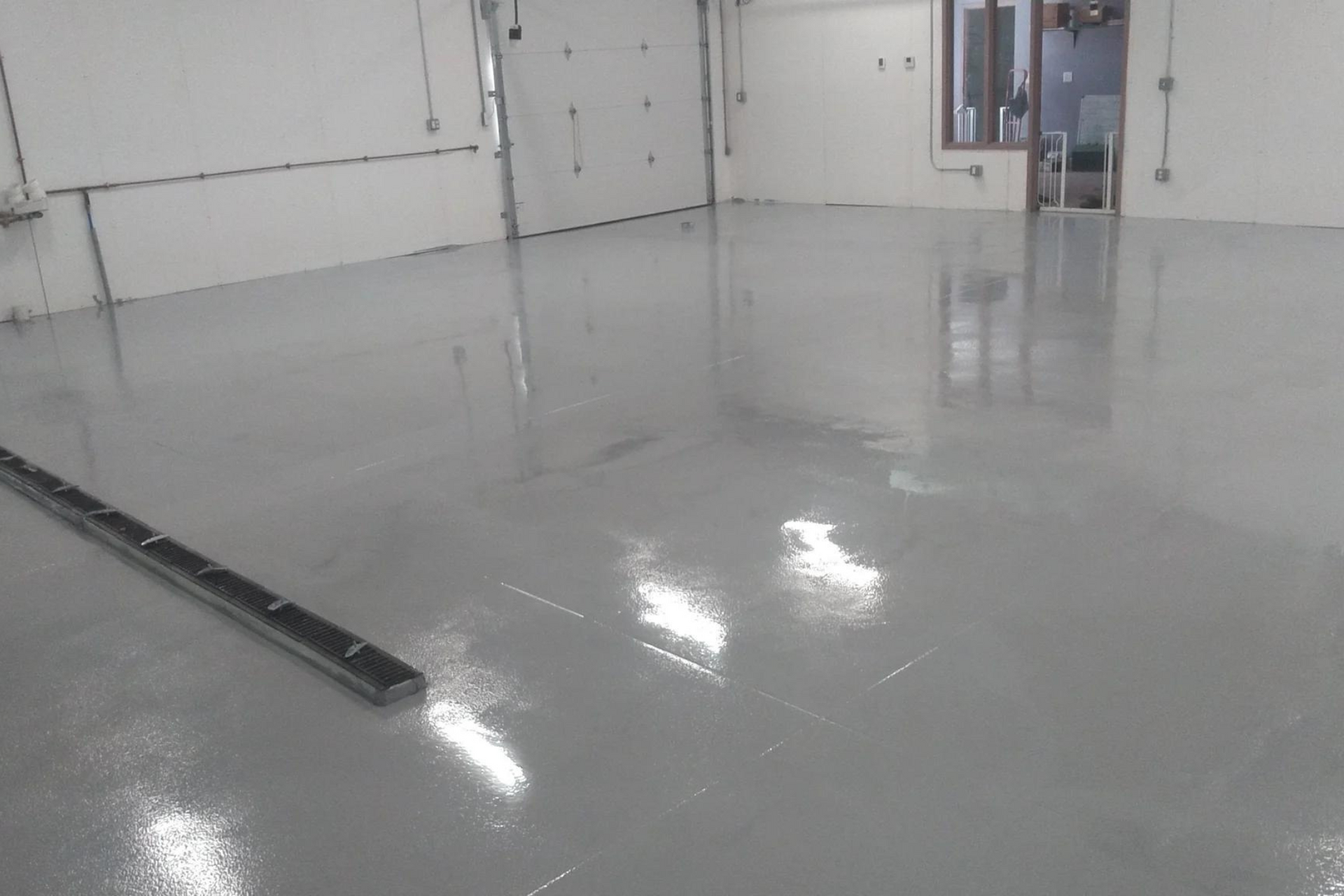
Epoxy transforms any commercial space by providing a resilient surface that withstands heavy traffic, resists chemicals, and is easy to maintain. It consists of two main ingredients: epoxy resin and a hardening agent.
Once mixed together, they form a tough plastic-like layer that adheres firmly to the floor.
Installation requires skill but Custom Coatings Inc. provides detailed proposals outlining each step of the process. This ensures clarity and confidence before work begins. Epoxy not only protects floors from wear but also offers decorative options such as colors and patterns to match any design theme.
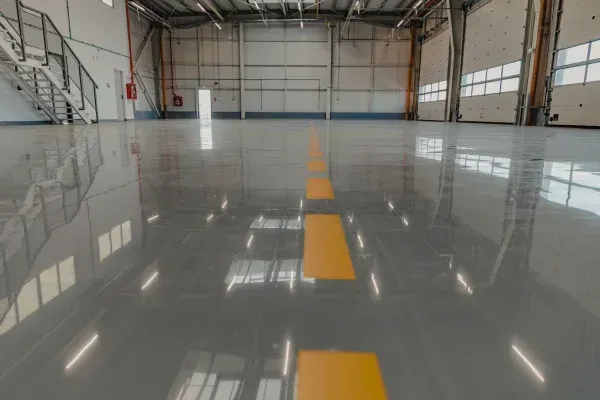
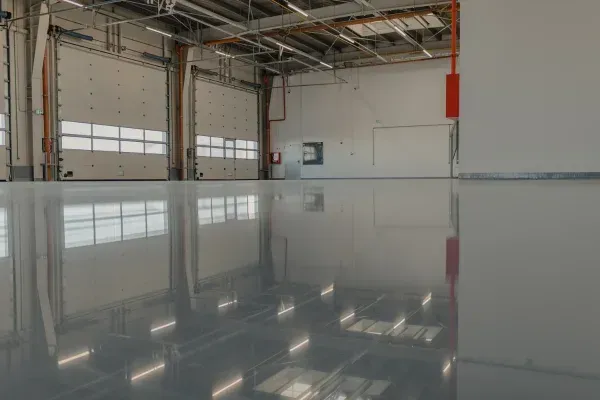
It cures into a glossy finish that enhances lighting in any facility, making spaces appear brighter and more welcoming.
Polyurethane
Polyurethane coatings stand out for their toughness and ability to fight off chemicals. They come in forms that mix with water or solvents, making them versatile for different needs.
These coatings shield floors from scratches better than many others and do not fade under sunlight. This makes polyurethane a top pick for areas that see a lot of action or are exposed to harsh conditions.
These protective layers also bend without breaking, resist impacts well, and keep looking good over time despite heavy use. Choosing polyurethane means less worry about damage from spills, tire marks, or heavy equipment.
It keeps floors safe and maintains their appearance longer.
Polyurethane: The guardian your floor didn’t know it needed.
Moving on, let’s explore another durable option: Polyaspartic coatings.
Polyaspartic
Polyaspartic coatings stand out for their quick curing times and toughness. This makes them a strong choice for projects on a tight schedule. Unlike traditional options, polyaspartics can dry in just hours.
They handle heavy traffic well and resist wear, making them ideal for busy commercial spaces.
These coatings also fight off stains and spills from oils or chemicals, keeping floors looking new longer. Their fast application means less downtime for your facility. Next up, let’s explore the benefits of acrylic coatings.
Acrylic
Acrylic coatings offer a clear advantage for maintaining and improving the appearance of decorative concrete such as floors and countertops. As provided by Custom Coatings Inc., these coatings are easy to apply, enhance the color, and protect surfaces from wear and tear.
They work well in environments where light foot traffic is common but still need protection against dirt and stains.
These protective layers also resist UV damage, keeping colors vibrant even under direct sunlight. For facility managers looking to keep their commercial spaces looking fresh without frequent maintenance, acrylic solutions present a durable choice.
With qualities like fast drying times and water resistance, they ensure minimal disruption to daily operations. Acrylics make upkeep straightforward while providing an appealing finish that stands up to everyday challenges.
Pros and Cons of Using Epoxy and Polyurethane on Concrete Floors
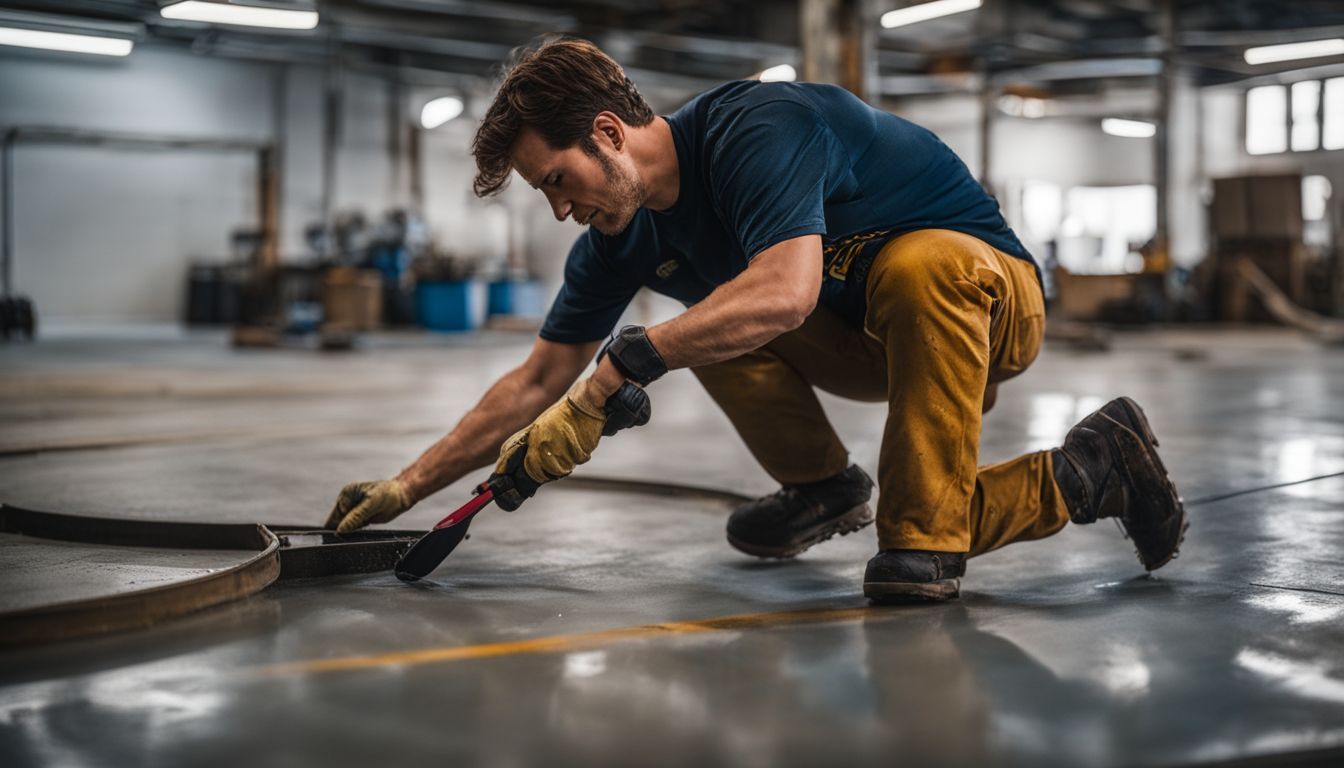
Exploring the pros and cons of epoxy and polyurethane on concrete floors reveals key insights into durability, resistance to chemicals and stains, and their installation process. Epoxy, a thermosetting polymer made with a curing agent, stands out for its strong bond to concrete surfaces, making it highly durable against wear and tear.
It resists water, grease, and heavy shock loads but can take longer to set up due to its complex mixing process. On the other hand, polyurethane coatings offer excellent UV protection that prevents color fading and are more flexible than epoxies.
This flexibility means they handle temperature changes better but might not match epoxy’s resistance to certain chemicals.
Choosing between these floor coatings involves weighing factors like budget constraints or specific needs such as UV exposure or chemical resistance. Each option has distinct application techniques; for example, applying an epoxy coating might involve diamond tooling prep work while polyurethane requires less intensive surface preparation but careful attention during application due to its fast-drying nature.
Durability
Epoxy coatings stand strong against chemicals, wear, and heavy impacts. This makes them a solid choice for floors that see a lot of action. They bond well with concrete to create a tough layer that resists most kinds of damage.
But, they might chip or peel if hit hard enough.
Polyurethane coatings add another level of protection, especially from the sun’s harsh rays. These coatings prevent color fading and keep the floor looking fresh and new longer than many expect.
They also resist scratches better than epoxy, making them ideal for areas with constant movement or dragging of items across the floor.
For floors that work as hard as you do, choosing the right coating isn’t just about today’s needs but ensuring long-lasting durability.
Resistance to chemicals and stains
Epoxy coatings shine in their ability to fight off chemicals and stains, making them a top choice for areas that see a lot of spills or use harsh cleaners. Their tough surface keeps liquids on top, so cleaning them up is easy and swift.
This makes epoxy an excellent protector for floors in places like garages and warehouses where spills happen often.
On the other hand, polyurethane coatings do have their strengths but fall short against chemical attacks compared to epoxy. They can handle some light messes but might not hold up as well when faced with tougher substances.
For spaces that experience frequent chemical exposure or heavy staining, epoxy proves to be the more reliable shield, keeping floors looking clean and new longer without succumbing to the damage that chemicals and stains can cause.
Installation process
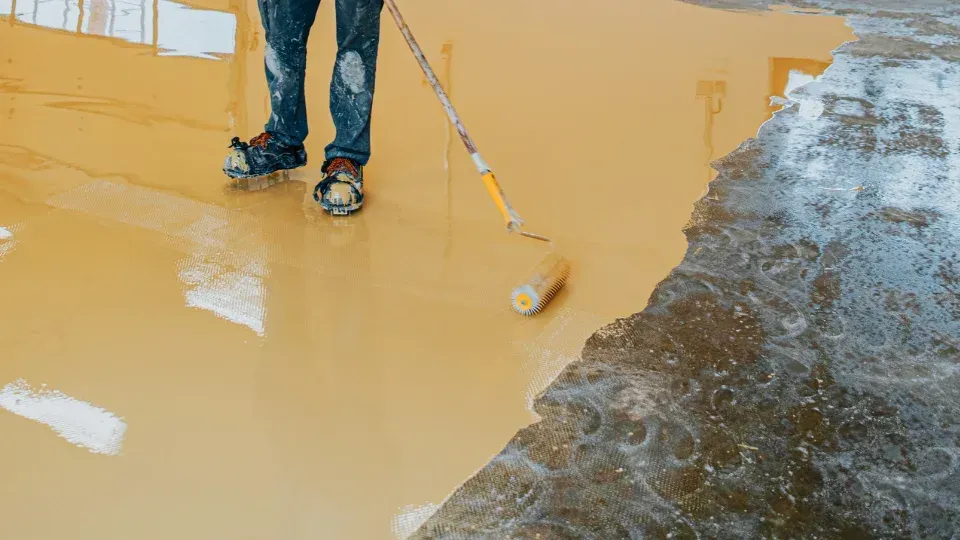
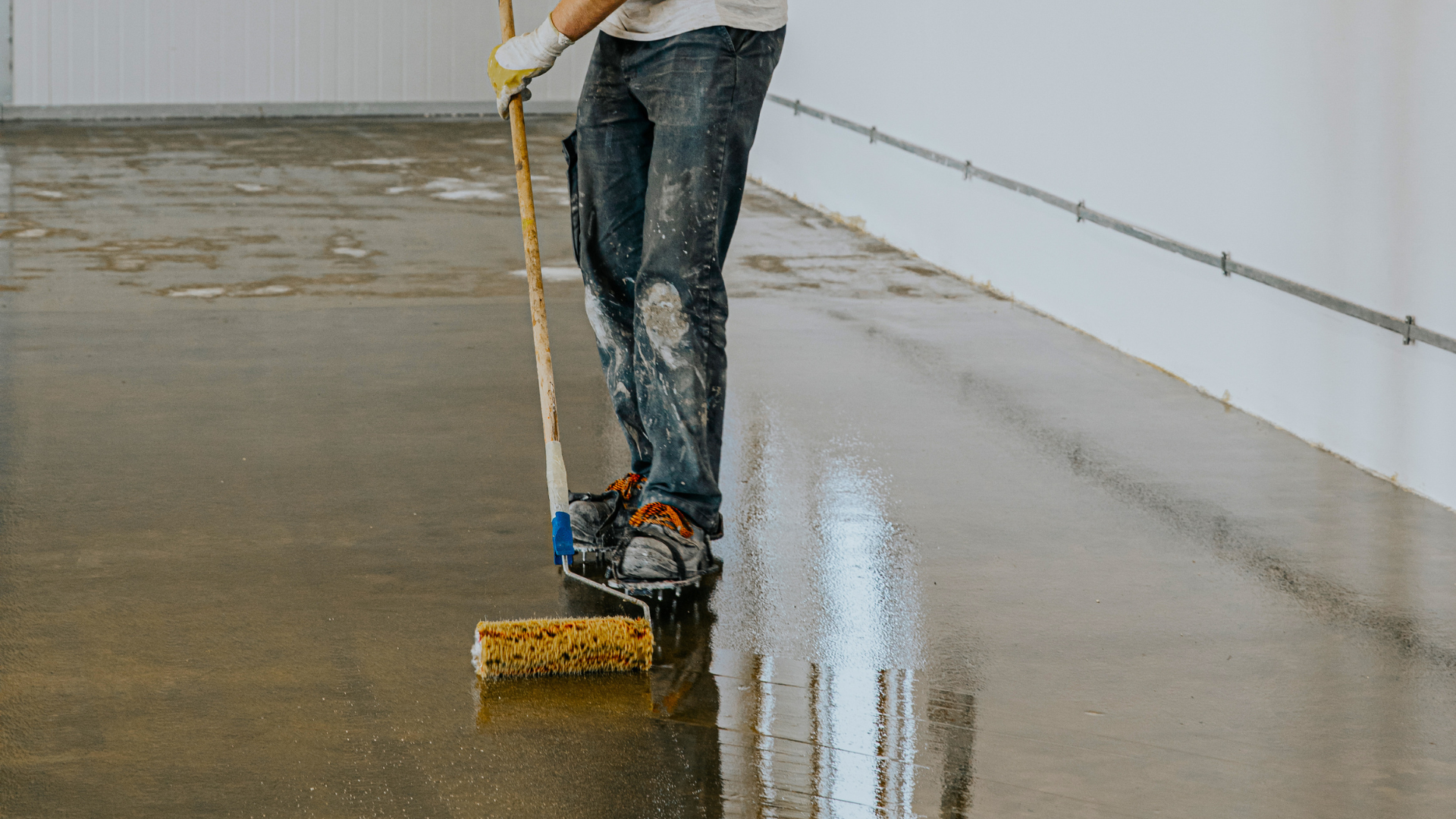
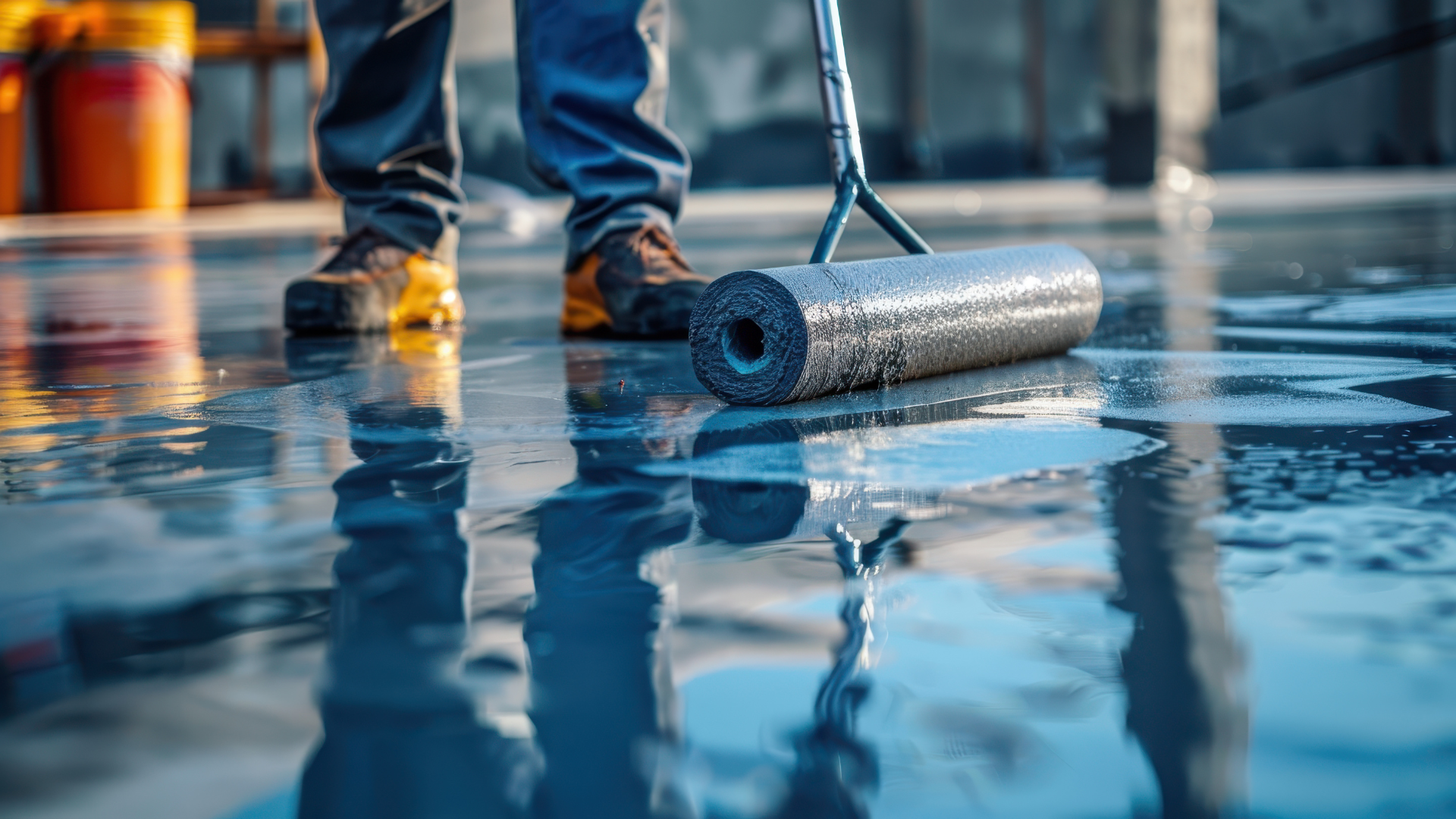
Installing epoxy on concrete floors starts with getting the surface ready. You have to clean the floor, make sure it’s smooth, and put down a primer. Then you mix the epoxy material with a hardener.
After that, you spread the mixture over the concrete floor carefully.
For polyurethane coatings, preparation is key as well. First, clean and smooth out the floor like you do for epoxy. But applying this coating takes more steps because you need several layers of polyurethane.
Each layer must dry completely before adding another one. This means waiting longer between each step to ensure everything sets right before use.
Which Concrete Floor Coating System is Right for You?

Choosing the right coating for your concrete floors depends on several factors. Think about your budget, how you plan to use the space, and what kind of wear and tear the floor will face.
Factors to consider (budget, type of use, etc.)
Selecting the right floor coating for a commercial space involves weighing several factors. This decision impacts both the durability and appearance of the floors. Here’s what property and facility managers need to keep in mind:
- Budget concerns: The cost of materials like epoxy resins and polyurethanes varies. Property managers must balance quality with how much they can afford to spend. Epoxy might be less expensive upfront, but polyurethane could offer savings over time due to its durability.
- Type of Use: High-traffic areas need strong coatings that resist wear and tear. Epoxy coated surfaces are known for their toughness, making them ideal for busy spaces.
- Durability and Longevity: For environments facing regular exposure to damaging substances or heavy equipment, choosing a coating that stands up to these challenges is crucial. Polyurethane offers excellent resistance against chemicals and stains, ensuring a longer-lasting finish.
- Aesthetic Appeal: Some coatings provide more design options than others. Facility managers often consider how the floor’s look supports the overall style of the space.
- Application Process: Understanding the timeline and steps involved in applying each type of coating helps in planning project schedules effectively.
- Resistance Needs: If a floor gets lots of sunlight, UV resistance becomes important to prevent fading or breakdown. Similarly, environments exposed to water or chemicals require coatings that can handle such conditions without deteriorating.
- Expertise Required: The application quality highly depends on the skills of the service provider. Ensure they have solid experience with your chosen material whether it involves polymers or epoxy resins.
The right coating does more than just protect; it plays a key role in how a space looks and functions daily.
Differences in application and maintenance
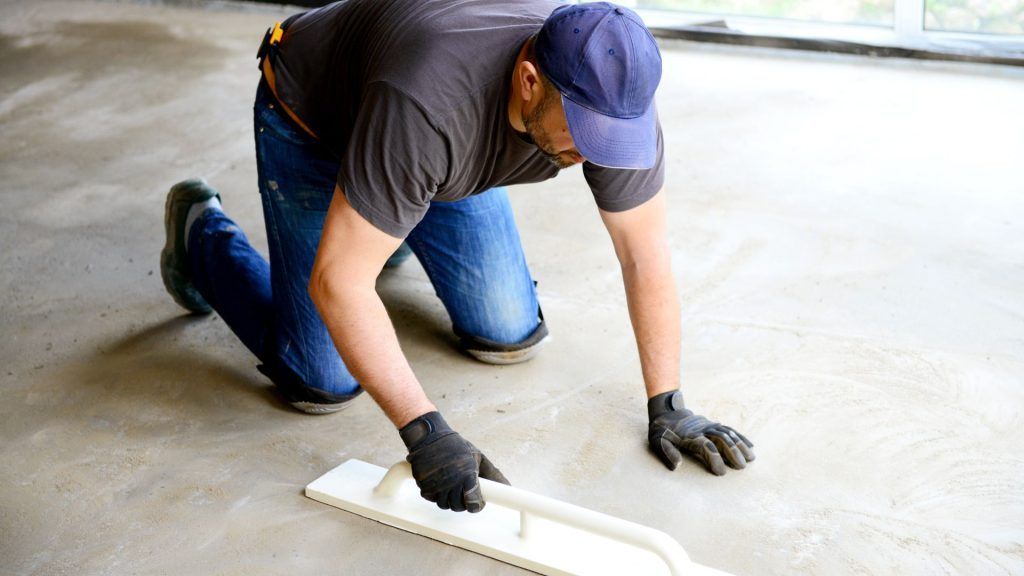
Epoxy coatings need more steps to apply than polyurethane. First, you clean the concrete floor well. Then, you put on a primer to prepare it. You must wait for each layer of epoxy to dry before adding another one.
This process takes time because epoxy needs longer to cure and become hard. On the other hand, applying polyurethane is quicker. You might only need one coat, and it dries faster.
Keeping epoxy floors shiny requires adding a clear topcoat now and then. This keeps them looking new and protects against wear and tear. Polyurethane floors also need care but in a different way.
They often require new coats to keep their resistance strong against scratches and chemicals. Both types aim to prolong the life of your floors but they do so with their own maintenance rules.
Concrete Floor Coatings: Conclusion
Choosing the right floor covering involves understanding your needs. Epoxy offers toughness and guards against spills, fitting well indoors. Polyurethane brings flexibility and sun protection, ideal for outdoor spaces.
Cost matters, with epoxy being more wallet-friendly than polyurethane. Yet polyurethane stands up better to heavy use. Think about your space’s demands before deciding on a coating type.
Concrete Floor Coatings (FAQs)
1. What’s the difference between epoxy and polyurethane floor coatings?
Epoxy coatings use materials like epoxide and amine to create a hard, durable surface on floors. Polyurethane, however, is more flexible and offers better resistance to scratches and greases.
2. Can both epoxy and polyurethane protect floors from chemicals?
Yes! Both types of coatings can protect floors from harmful chemicals. Epoxy is great for areas with potential spills due to its strong chemical bond, while polyurethane provides excellent corrosion resistance.
3. Which coating is better for preventing cracks in concrete floors?
Epoxy coatings are typically better at bonding with reinforced concrete, making them ideal for floors that need extra strength to prevent cracks or spalling.
4. Are these coatings safe for indoor use regarding air quality?
Yes, but it’s important to choose products carefully. Look for low volatile organic compound (VOC) options in both epoxy and polyurethane to ensure safer indoor air quality.
5. How long do these floor coatings last before needing reapplication?
Epoxy floor coatings can last many years if properly maintained, especially in environments without heavy machinery or extreme temperatures. Polyurethane coats are also durable but might require reapplication sooner depending on the level of foot traffic and exposure to UV light.

Joe Brindle
Joe Brindle is the President and co-founder of Custom Coatings Inc., bringing more than 30 years of experience in commercial and industrial painting and coatings. Since founding the company in 1991, Joe has built extensive hands-on knowledge of coating systems, surface preparation, estimating, project planning, and product selection for commercial and industrial facilities throughout the Southeast.

SHARE THIS ARTICLE
OUR RECENT BLOG ARTICLES