Heavy Machinery Painting Tricks That Save Downtime
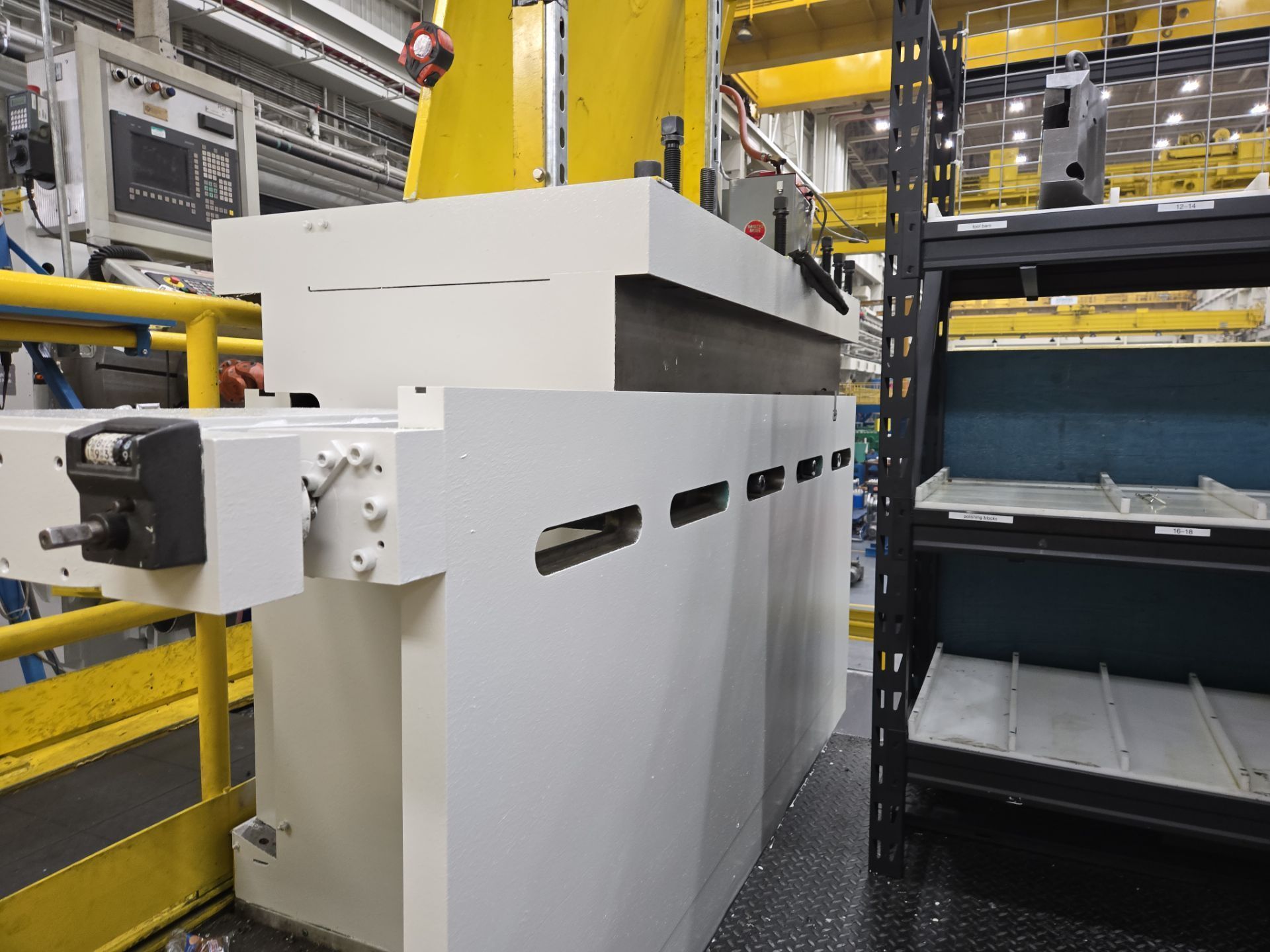
In industrial facilities, equipment downtime can quickly lead to production delays, missed deadlines, and increased operating costs. While maintaining machinery is essential for keeping operations running smoothly, scheduling painting and coating work can be challenging when equipment is needed for daily production.
Heavy machinery painting plays an important role in protecting industrial equipment from corrosion, chemical exposure, abrasion, and general wear. Without proper coatings, machinery exposed to demanding conditions can deteriorate faster, leading to costly repairs and premature equipment replacement.
Fortunately, industrial facility managers can take several steps to reduce downtime during painting projects without compromising coating quality. From selecting the right materials to coordinating application schedules, the following strategies can help keep equipment protected while limiting disruptions to production.
1. Schedule Heavy Machinery Painting Around Production Downtime
One of the most effective ways to reduce disruptions is to coordinate painting projects with planned equipment shutdowns. Rather than taking machinery out of service specifically for coating work, facility managers can incorporate painting into existing maintenance schedules.
Annual shutdowns, scheduled inspections, and equipment overhauls often provide opportunities to complete surface preparation and coating applications while machinery is already offline.
Consider the following scheduling strategies:
- Coordinate painting with preventive maintenance activities to reduce the number of separate shutdowns.
- Prioritize equipment that already requires repairs, inspections, or component replacements.
- Schedule coating applications during slower production periods when possible.
- Identify machinery that can be painted in stages without affecting other operations.
- Account for coating cure times before scheduling equipment to return to service.
Early coordination between facility managers, maintenance teams, and industrial painting contractors can help identify potential scheduling conflicts before work begins.
For facilities operating around the clock, planning smaller coating projects during available maintenance windows may be more practical than scheduling one large shutdown.
2. Choose Industrial Coatings That Minimize Cure Times
Not all industrial coatings require the same amount of time before equipment can return to operation. Some systems require extended curing periods, while others are formulated to cure more quickly under suitable conditions.
Selecting the right coating system is an important part of planning an efficient heavy machinery painting project.
Epoxy coatings
Epoxy coatings provide strong adhesion and resistance to chemicals, abrasion, and corrosion. They are frequently used on industrial equipment, structural steel, and machinery exposed to demanding operating conditions.
However, epoxy curing requirements vary significantly depending on the formulation, film thickness, and surrounding temperatures.
Polyurethane coatings
Polyurethane topcoats are commonly used where color retention, gloss retention, and resistance to outdoor exposure are important. They are often applied over compatible primers to provide additional protection for industrial machinery.
Some polyurethane systems offer relatively fast drying and handling times, although full curing may take longer.
Fast-curing industrial coatings
Certain industrial coating systems are specifically formulated for faster return-to-service applications. Depending on the equipment and operating environment, these products may help shorten the time between application and equipment use.
However, faster curing does not automatically make a coating suitable for every application.
Facility managers should work with experienced industrial painting contractors to evaluate coating compatibility, expected service conditions, and manufacturer requirements before selecting a system.
It is also important to distinguish between dry-to-touch, dry-to-handle, recoat, and full-cure times. Equipment may appear dry before the coating has developed sufficient resistance to abrasion, chemicals, or operating temperatures.
3. Complete Equipment Inspections Before Painting Begins
Unexpected repairs discovered during a painting project can significantly extend equipment downtime.
Before heavy machinery painting begins, facility managers should arrange a thorough inspection of the equipment scheduled for coating.
This inspection should identify existing coating failures, corrosion, mechanical damage, and areas that may require repairs before surface preparation.
Common issues to check include:
- Rust forming around welded connections, fasteners, and exposed steel.
- Peeling, blistering, or cracking in existing coatings.
- Oil and grease contamination around hydraulic systems.
- Damaged guards, access panels, or protective covers.
- Areas where previous coatings have worn away due to repeated contact or abrasion.
Identifying these conditions early allows maintenance personnel to complete necessary repairs before painting crews begin their work.
For example, repairing a leaking hydraulic fitting before surface preparation can prevent fresh oil contamination from interfering with coating adhesion.
Similarly, addressing damaged components before painting reduces the risk of newly applied coatings being scratched or damaged during subsequent repairs.
A coordinated inspection process helps prevent avoidable delays and reduces the likelihood of repeating preparation work.
4. Use Efficient Surface Preparation Methods
Surface preparation is one of the most important steps in industrial painting. Even high-performance coatings can fail prematurely when applied over rust, grease, loose paint, or other contaminants.
For heavy machinery painting, the preparation method should match the equipment's condition, the coating manufacturer's requirements, and the expected operating environment.
Abrasive blasting
Abrasive blasting removes rust, mill scale, and deteriorated coatings while creating a surface profile that supports coating adhesion.
This method is particularly effective for steel equipment with extensive corrosion or coating failure.
However, blasting requires proper containment, dust control, and protection of sensitive mechanical and electrical components.
Power tool cleaning
Power tools, including grinders and needle scalers, can be useful for preparing localized areas where abrasive blasting is impractical.
This approach may be appropriate for spot repairs, smaller components, and equipment with limited access.
Degreasing and contaminant removal
Industrial machinery frequently accumulates lubricants, hydraulic fluids, cutting oils, and other contaminants.
These materials must be removed using appropriate cleaning procedures before mechanical surface preparation or coating application.
Painting over contaminated surfaces can cause adhesion problems, fisheyes, and premature coating failure.
The fastest preparation method is not always the most efficient long-term choice. Inadequate preparation may initially reduce project time but can result in coating failures that require additional shutdowns.
An experienced contractor can determine the appropriate preparation standard and organize the work to reduce unnecessary delays.
5. Consider Painting Machinery in Sections
Some industrial equipment can be painted in sections rather than taking the entire machine or production area out of service at once.
This strategy can be particularly useful for large equipment assemblies, stationary machinery, and facilities with multiple production lines.
For example, a facility may schedule coating work on individual equipment components during separate maintenance periods. This allows other equipment to remain available while specific sections are prepared and painted.
Potential applications include:
- Conveyor support structures and accessible exterior components.
- Industrial presses and machine housings.
- Material handling equipment.
- Large fabrication equipment.
- Exterior surfaces of processing machinery.
However, sectional painting requires careful planning.
Equipment must be properly isolated, locked out when required, and protected against overspray and contamination. Coating work must never take place near moving components or operating machinery when conditions create a safety risk.
Facility managers should also consider how adjacent coating sections will overlap to maintain consistent protection.
When properly planned, phased heavy machinery painting can help facilities maintain production capacity while completing necessary equipment maintenance.
6. Control Temperature, Humidity, and Application Conditions
Environmental conditions can significantly affect coating application and curing.
Excessive humidity, low temperatures, condensation, and poor ventilation may delay curing or cause coating defects.
For industrial facilities in North Carolina and across the Southeast, high humidity can be a particular concern during certain times of the year.
Before application, contractors should evaluate:
- Ambient air temperature.
- Equipment surface temperature.
- Relative humidity.
- Dew point and condensation risk.
- Ventilation and airflow.
- Coating manufacturer temperature requirements.
For many industrial coating systems, the substrate temperature must remain a specified amount above the dew point to reduce the risk of condensation. The exact requirement depends on the coating specification and manufacturer instructions.
Temperature control is equally important.
Cold conditions may slow curing, while excessive heat can affect application characteristics and working time.
Whenever possible, coating work should be scheduled during periods when environmental conditions are suitable for the selected materials.
In controlled industrial environments, temporary ventilation, heating, or dehumidification may help maintain acceptable application conditions.
Proper environmental planning reduces the risk of coating defects that could delay equipment startup or require additional repairs.
7. Protect Sensitive Components Before Coating Application
Industrial machinery contains numerous components that should never be exposed to abrasive blasting, cleaning chemicals, or coating overspray.
Failing to protect these areas can create equipment problems that extend downtime well beyond the original painting schedule.
Before work begins, contractors should identify and protect components such as:
- Hydraulic cylinders and polished piston rods.
- Electrical connections and control panels.
- Sensors, switches, and instrumentation.
- Bearings and lubrication points.
- Identification plates and safety labels.
- Seals, gaskets, and precision-machined surfaces.
Masking, temporary barriers, and component removal may be necessary depending on the equipment and application method.
Facility maintenance personnel should communicate any manufacturer restrictions or sensitive operating components before preparation begins.
Proper protection can prevent contamination, preserve equipment performance, and reduce the amount of cleanup required before machinery returns to operation.
8. Establish a Clear Return-to-Service Plan
Completing the final coat does not necessarily mean equipment is ready to resume production.
Heavy machinery painting projects should include a defined return-to-service plan that accounts for coating cure requirements, final inspections, and equipment testing.
Before returning machinery to operation, facility managers and contractors should confirm that:
- The coating has reached the required cure condition for the intended service.
- The applied coating thickness meets project specifications.
- Coated surfaces have been inspected for visible defects.
- Masking materials, protective barriers, and temporary equipment have been removed.
- Required safety labels and identification markings are visible.
- Maintenance personnel have completed appropriate equipment checks.
Depending on the project, coating inspections may include dry film thickness measurements, adhesion testing, or other quality control procedures.
These inspections help identify potential problems before equipment returns to demanding service conditions.
A clear startup plan also prevents confusion between painting crews, maintenance personnel, and production supervisors.
Rather than assuming equipment can restart immediately after application, everyone involved should understand the conditions that must be met before operations resume.
9. Maintain Coatings to Reduce Future Shutdowns
One of the most effective ways to limit future painting-related downtime is to maintain existing coatings before widespread deterioration occurs.
Routine inspections can identify small areas of coating damage before corrosion spreads beneath the surrounding paint film.
Facility managers should pay particular attention to areas exposed to frequent impacts, abrasion, chemicals, moisture, and repeated cleaning.
Common maintenance practices include:
- Inspecting coated surfaces during routine equipment maintenance.
- Cleaning accumulated dirt, grease, and chemical residue.
- Repairing chipped or damaged coatings before corrosion spreads.
- Monitoring areas where equipment vibration may contribute to coating damage.
- Documenting recurring coating failures to identify potential underlying problems.
Localized touch-ups can sometimes be completed during shorter maintenance windows, reducing the need for extensive surface preparation and repainting.
However, touch-up materials must be compatible with the existing coating system, and damaged areas still require proper preparation.
A consistent coating maintenance program can help industrial facilities protect their equipment investments while reducing the frequency of larger painting projects.
Keep Your Equipment Protected and Production Moving With Custom Coatings
Worn coatings, corrosion, and surface damage can lead to expensive repairs and unexpected equipment downtime. At Custom Coatings, we provide professional heavy machinery painting services that help industrial facilities protect critical equipment, extend its service life, and reduce disruptions to daily operations. Our team understands the demands of industrial environments and works with facility managers to plan coating projects around production schedules without sacrificing quality.
Don't wait for coating failure to put your equipment out of service. Contact Custom Coatings today to discuss your heavy machinery painting needs and schedule a consultation.
FAQ
How often should heavy machinery be repainted?
The frequency depends on the equipment's operating conditions, coating system, and exposure to moisture, chemicals, and abrasion. Regular inspections can help facility managers identify coating damage before extensive repainting becomes necessary.
Can heavy machinery painting be completed without shutting down an entire facility?
Yes, many heavy machinery painting projects can be scheduled during planned maintenance periods or completed in phases. Proper equipment isolation, ventilation, and coordination with production teams are essential for minimizing disruptions.
What is the best coating for industrial machinery?
Epoxy coatings are commonly used for their corrosion resistance, chemical resistance, and adhesion to properly prepared steel. Polyurethane topcoats may provide additional protection against UV exposure and weathering. The best system depends on the equipment's operating environment and performance requirements.

Joe Brindle
Joe Brindle is the President and co-founder of Custom Coatings Inc., bringing more than 30 years of experience in commercial and industrial painting and coatings. Since founding the company in 1991, Joe has built extensive hands-on knowledge of coating systems, surface preparation, estimating, project planning, and product selection for commercial and industrial facilities throughout the Southeast.

SHARE THIS ARTICLE
OUR RECENT BLOG ARTICLES