
Concrete Expansion Joint Sealant for Busy Sites
Concrete floors, loading areas, parking structures, production spaces, and other hard surfaces are built to handle demanding conditions. But the concrete itself is only part of the system. The joints between concrete sections also need attention, especially in facilities where forklifts, trucks, equipment, employees, and materials are constantly moving across the surface.
Concrete expansion joint sealant helps protect these joints while allowing the concrete to accommodate normal movement. When sealant deteriorates, separates, or disappears from the joint, the exposed edges can become vulnerable to moisture, debris, impact, and ongoing traffic.
For industrial facility managers and commercial property managers, maintaining concrete joints can help prevent small areas of deterioration from turning into larger repair needs.
Why Concrete Floors and Pavements Need Expansion Joints
Concrete naturally expands and contracts as temperatures and environmental conditions change. Joints are incorporated into concrete slabs and pavement systems to accommodate movement and reduce uncontrolled cracking.
These joints are found throughout commercial and industrial properties, including:
- Warehouses and distribution centers
- Manufacturing facilities
- Loading docks and shipping areas
- Parking garages
- Commercial parking areas
- Service bays
- Industrial production floors
- Exterior concrete pavement
- Walkways and equipment areas
The joint creates a planned separation between concrete sections, but that opening also needs protection. Without an effective seal, water, dirt, chemicals, and other materials can enter the joint.
That is where concrete expansion joint sealant becomes an important part of concrete maintenance.
What Does Concrete Expansion Joint Sealant Do?
Joint sealants are flexible materials installed within prepared concrete joints. Their primary purpose is to seal the opening while maintaining enough flexibility to accommodate expected movement.
Unlike rigid patching materials, joint sealants are selected specifically for areas where movement may occur. The right product depends on the type of joint, width and depth, exposure conditions, traffic levels, and surrounding environment.
A properly installed joint sealant can help limit water intrusion, prevent debris from collecting inside the joint, and protect the edges of the surrounding concrete.
For busy commercial and industrial sites, joint protection also needs to account for the type of traffic crossing the surface. Forklifts, pallet jacks, carts, service vehicles, trucks, and heavy equipment can repeatedly place stress on joint edges. If the sealant has failed and the joint is exposed, those forces can contribute to deterioration over time.
What Happens When Joint Sealant Starts to Fail?
Joint sealant does not remain in perfect condition forever. Exposure to traffic, temperature changes, UV light, moisture, chemicals, cleaning practices, and normal building movement can eventually affect its performance.
Facility teams may notice sealant pulling away from one side of a joint, cracking through the center, becoming brittle, sinking below the joint, or missing entirely.
These conditions should not be treated as cosmetic issues.
Once the joint is open, debris can collect inside it and interfere with movement. Water may also enter the joint and reach areas below or around the slab. In exterior applications, repeated wetting and temperature changes can create further stress on the concrete.
Heavy traffic can create another concern. Wheels repeatedly crossing an unprotected joint can strike the concrete edges. Over time, this can contribute to chipped or broken joint edges, commonly referred to as joint spalling.
Replacing failed concrete expansion joint sealant before surrounding concrete becomes significantly damaged can help facility managers stay ahead of more extensive repairs.
High-Traffic Sites Create Different Demands
A lightly used concrete walkway and a busy distribution center floor do not experience the same conditions. Joint maintenance should account for how the property actually operates.
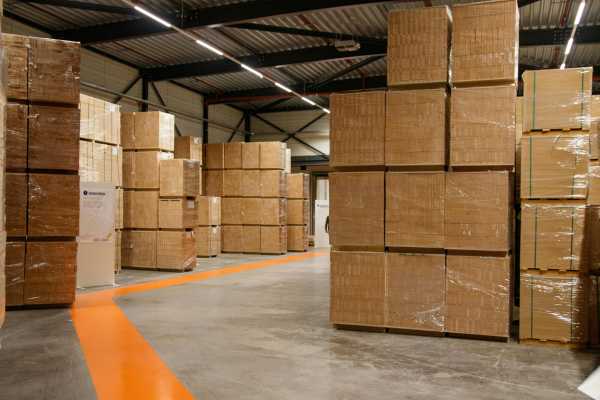
Inside warehouses and manufacturing facilities, joints may experience thousands of wheel crossings from forklifts and other material-handling equipment. In loading areas, concrete may be exposed to trailers, trucks, weather, moisture, and frequent impact. Parking structures and commercial properties may have constant vehicle traffic combined with exposure to water, automotive fluids, and temperature changes.
These conditions affect product selection and installation planning.
The sealant needs to accommodate expected joint movement while also performing under the site's service conditions. Depending on the application, chemical exposure, abrasion, temperature, UV exposure, and traffic may all factor into the selection of a joint sealant system.
For facilities in North Carolina, South Carolina, and other parts of the Southeast, exterior concrete can also experience substantial temperature swings, heat, moisture, and heavy rainfall throughout the year.
Joint Preparation Is Critical to Sealant Performance
Installing new sealant over a dirty or deteriorated joint can lead to premature failure. Proper preparation is one of the most important parts of joint sealant work.
Existing failed material may need to be removed before the joint can be cleaned and evaluated. Dust, loose concrete, dirt, oils, previous sealant, and other contaminants can interfere with adhesion.
The condition of the concrete edges also matters. If the joint has already experienced significant spalling or deterioration, repairs may be necessary before a new sealant system can be installed.
Joint dimensions are another consideration. Sealant depth and joint configuration can affect how the material performs as the concrete moves. Backer rod or another approved bond-breaking material may be used to help establish the correct sealant profile and prevent adhesion to the bottom of the joint.
These details are why joint sealing should be treated as a concrete maintenance system rather than simply filling a gap.
How Joint Maintenance Fits Into a Larger Concrete Coating Project
Expansion joints should also be considered when planning floor coating and concrete restoration work.
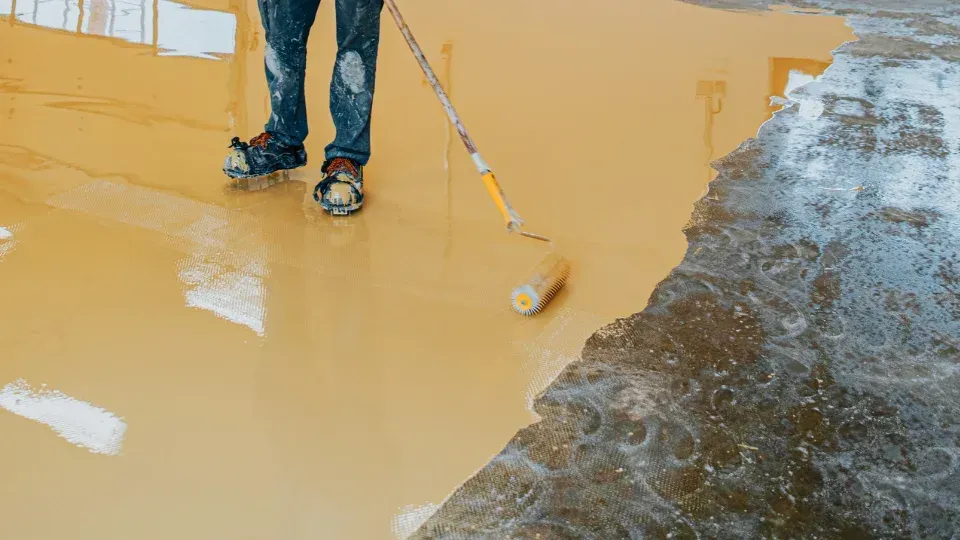
Applying a coating does not eliminate movement within the concrete. Existing joints need to be identified and addressed as part of the overall flooring or coating system. Simply coating across an active joint can create a weak point where cracking or separation may develop.
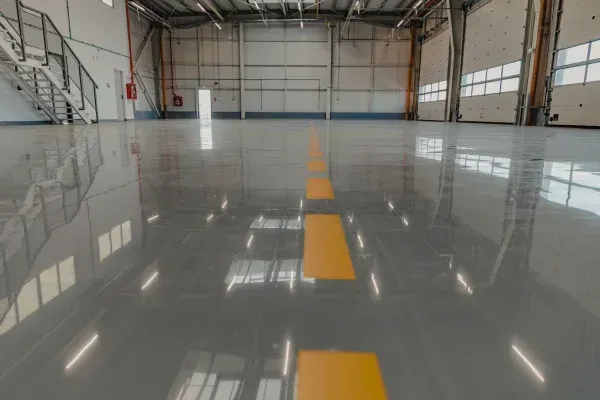
For industrial floors, the joint treatment should work with the surrounding coating system and the operational requirements of the facility.
This is especially important during larger floor rehabilitation projects. A contractor can evaluate the concrete surface, existing coatings, cracks, joints, damaged areas, and operating conditions before determining how each component should be addressed.
Coordinating joint work with surface preparation and coating installation can produce a more complete approach to maintaining the concrete rather than treating each visible issue separately.
When Should Facility Managers Inspect Concrete Joints?
Joint inspections can be incorporated into routine facility maintenance instead of waiting for obvious concrete damage.
Property and facility managers should pay attention to areas where sealant is missing, cracked, hardened, separated from the joint walls, or visibly deteriorated. Joints that collect dirt, water, or other debris should also receive attention.
High-traffic locations deserve particular attention because minor deterioration can progress more quickly under repeated wheel traffic.
Timing can also affect how disruptive the work is. Planning concrete expansion joint sealant replacement alongside floor coating, concrete repairs, shutdowns, tenant improvements, or other scheduled maintenance can reduce interruptions to normal operations.
For active facilities, work may also be phased by area so sections can remain accessible while others are being serviced.
Protect Your Concrete With Professional Joint Sealant Services
Expansion joints are easy to overlook until the surrounding concrete starts showing damage. Staying ahead of deteriorated sealant can help protect joint edges, reduce moisture and debris intrusion, and support the long-term performance of commercial and industrial concrete surfaces.
Custom Coatings works with commercial and industrial facilities to address concrete surfaces, coatings, and joint conditions based on the demands of the property. Whether joint maintenance is part of a larger flooring project or a specific repair need, the work should begin with an evaluation of the existing concrete and operating environment.
Contact Custom Coatings today to discuss expansion joint sealant and concrete coating services for your commercial or industrial facility.
FAQ
How do I know when expansion joint sealant needs to be replaced?
Sealant may need replacement when it begins pulling away from the joint edges, cracking, hardening, sinking, or leaving sections of the joint exposed. High-traffic joints should be inspected regularly because repeated equipment and vehicle traffic can accelerate deterioration.
Can damaged concrete around an expansion joint be repaired before resealing?
Yes. Spalled or deteriorated joint edges may need to be repaired before new sealant is installed so the system has a sound surface for proper installation and performance.
Can expansion joint sealing be completed without shutting down an entire facility?
In many commercial and industrial facilities, work can be phased by section to limit disruption to traffic and operations. Scheduling will depend on the sealant system, cure time, traffic patterns, and condition of the existing joints.

Joe Brindle
Joe Brindle is the President and co-founder of Custom Coatings Inc., bringing more than 30 years of experience in commercial and industrial painting and coatings. Since founding the company in 1991, Joe has built extensive hands-on knowledge of coating systems, surface preparation, estimating, project planning, and product selection for commercial and industrial facilities throughout the Southeast.

SHARE THIS ARTICLE
OUR RECENT BLOG ARTICLES