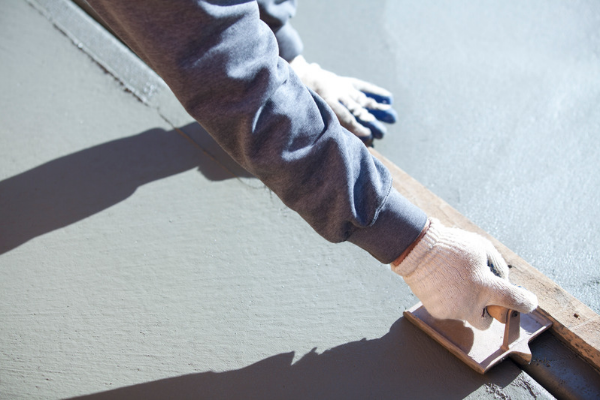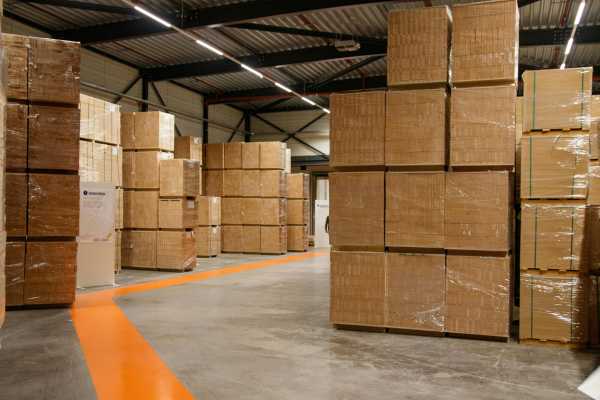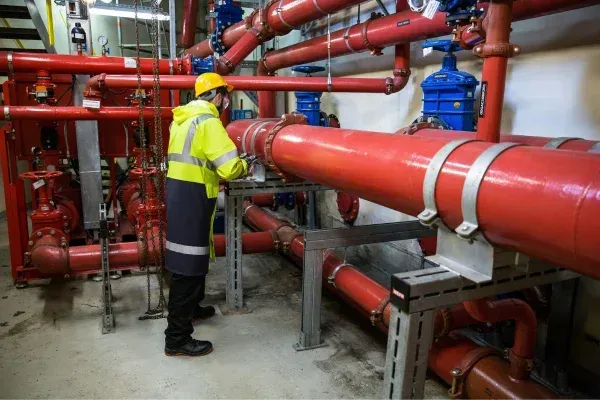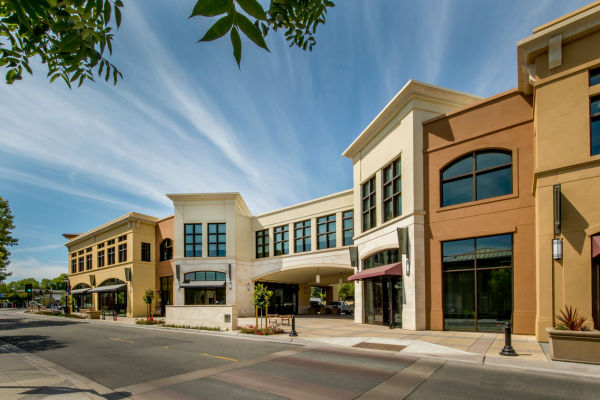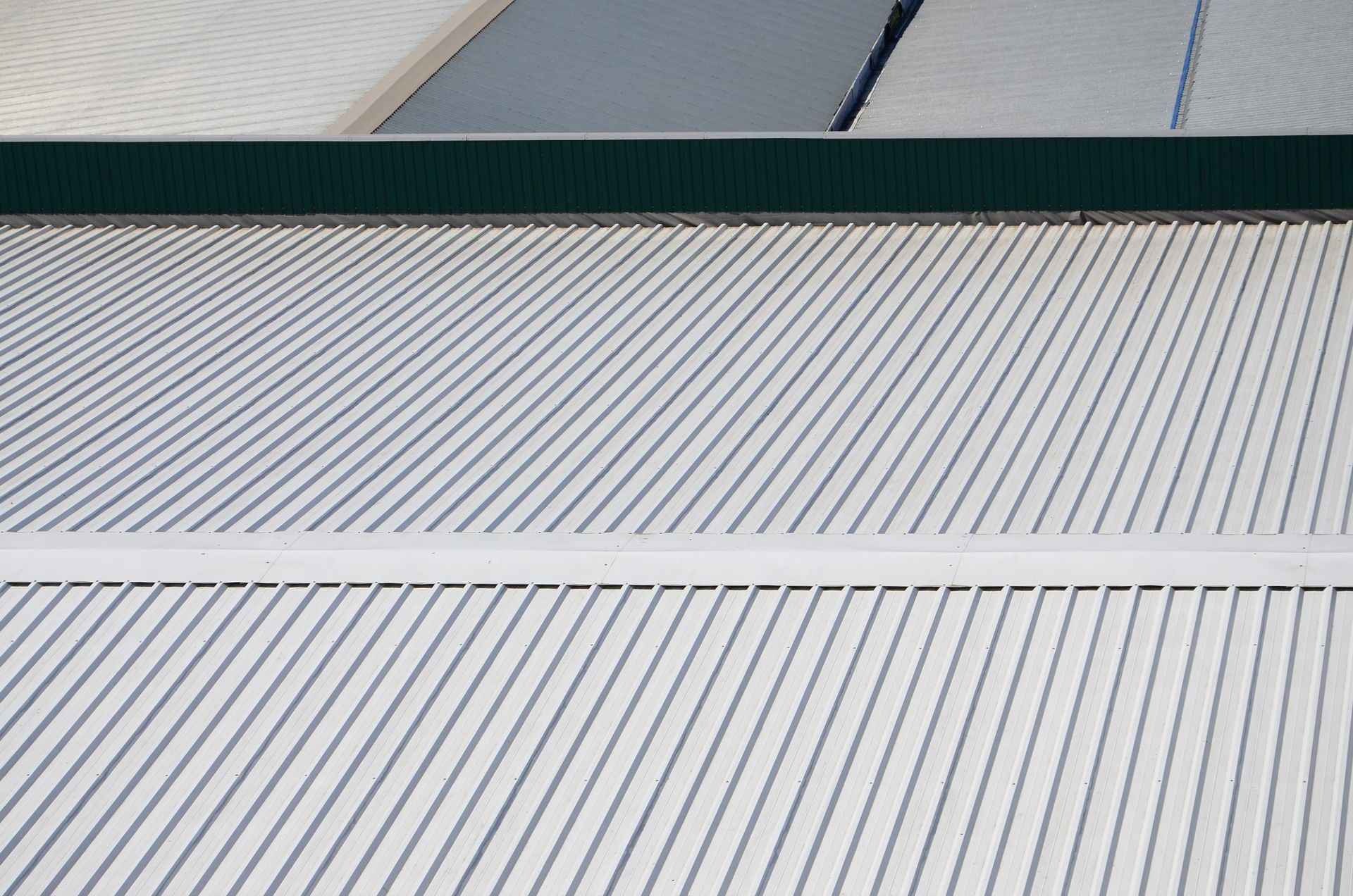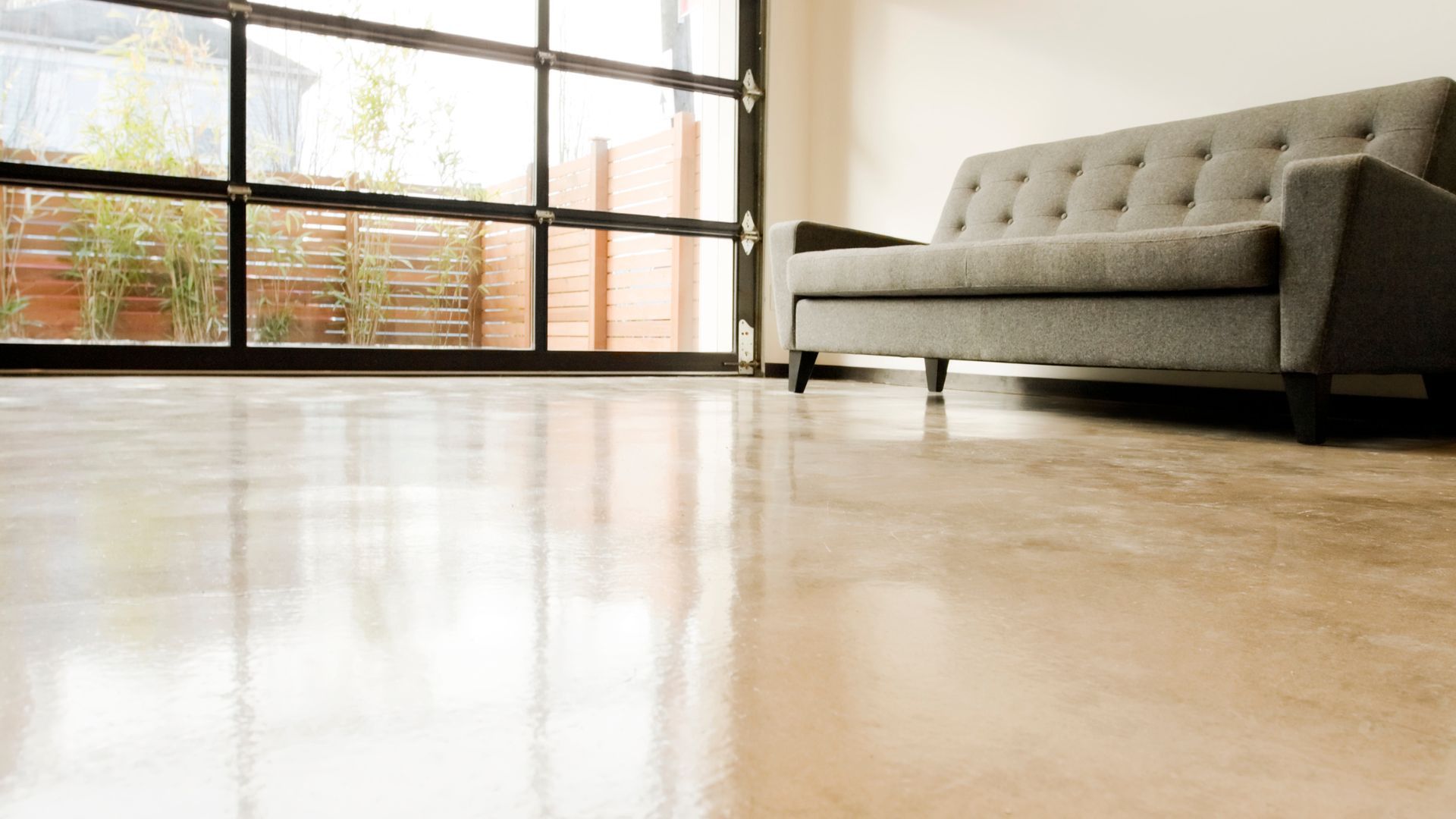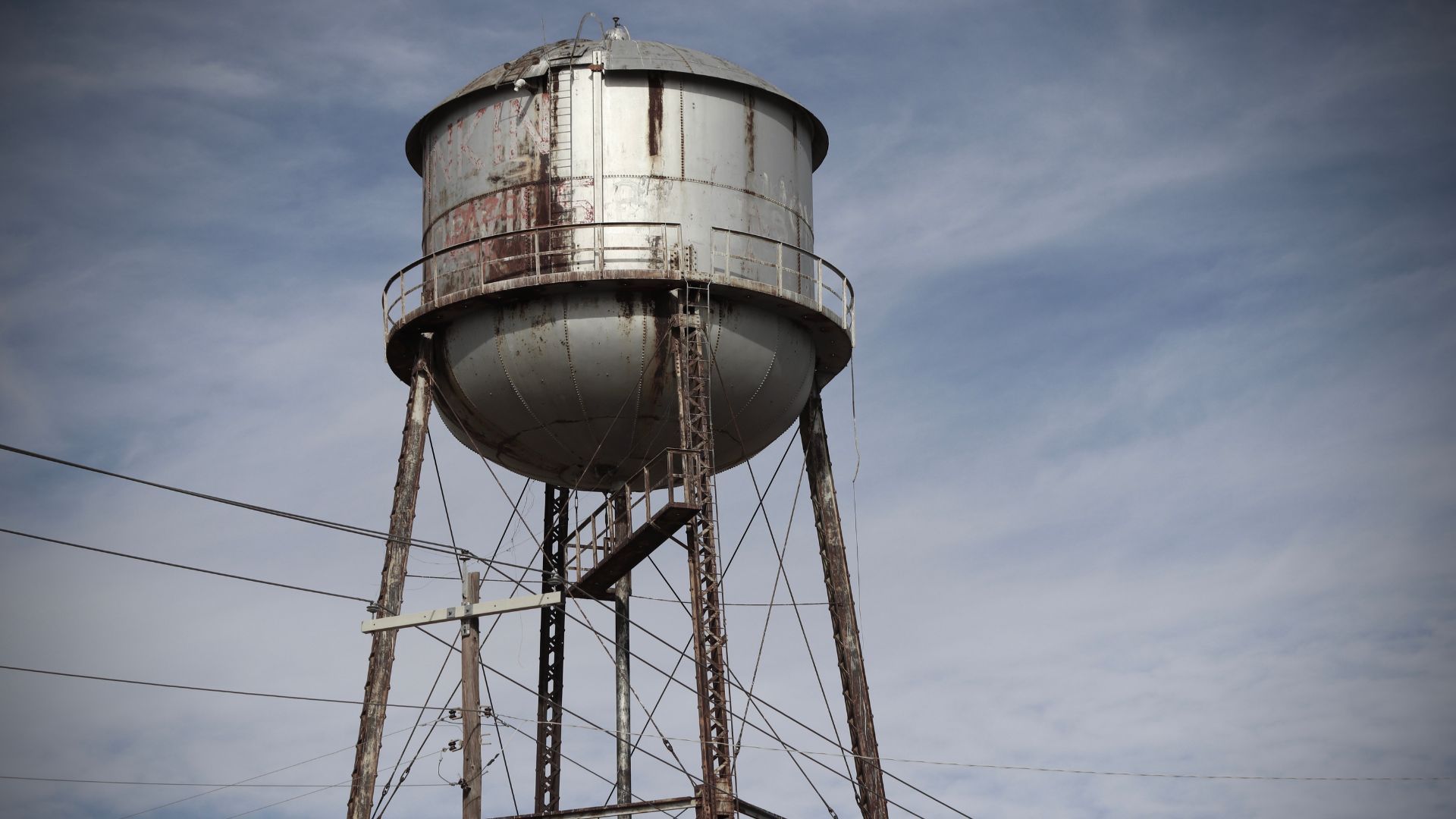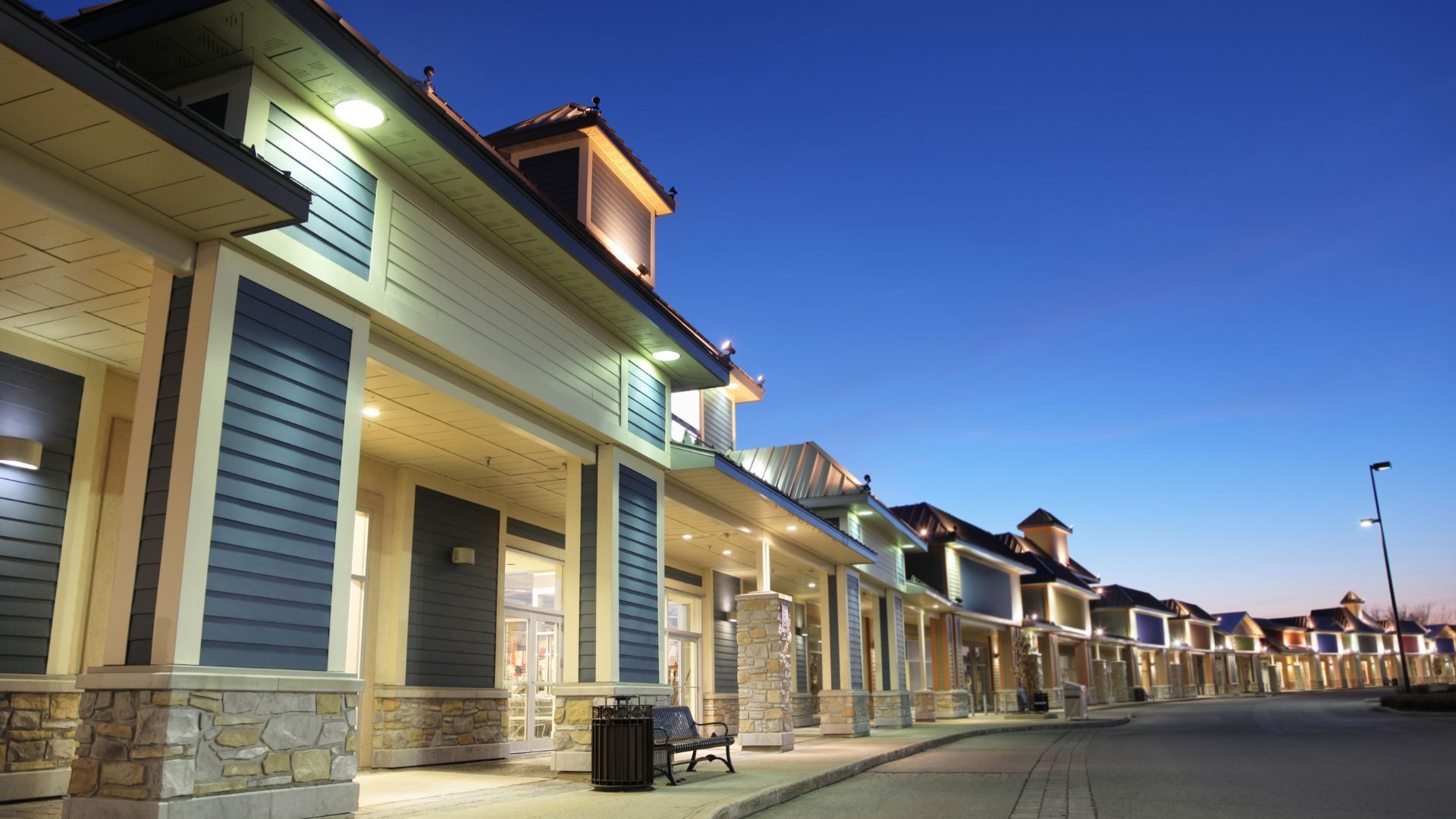
Keeping a commercial property clean takes more than maintaining the interior. Sidewalks, building exteriors, loading areas, parking garages, dumpster pads, and other outdoor surfaces are exposed to traffic, weather, dirt, grease, algae, and other buildup throughout the year. Over time, these areas can become stained, slippery, and difficult to clean with standard maintenance methods.
Commercial pressure washing services give property managers an effective way to address this buildup and keep exterior surfaces in better condition. Professional cleaning can improve the appearance of a property while supporting preventive maintenance, safer walking areas, and the long-term care of exterior materials.
For property managers in North Carolina, South Carolina, and across the Southeast, regular exterior cleaning can be especially valuable in a climate where moisture and humidity contribute to algae, mildew, and organic growth.
What’s Included in Commercial Pressure Washing Services?
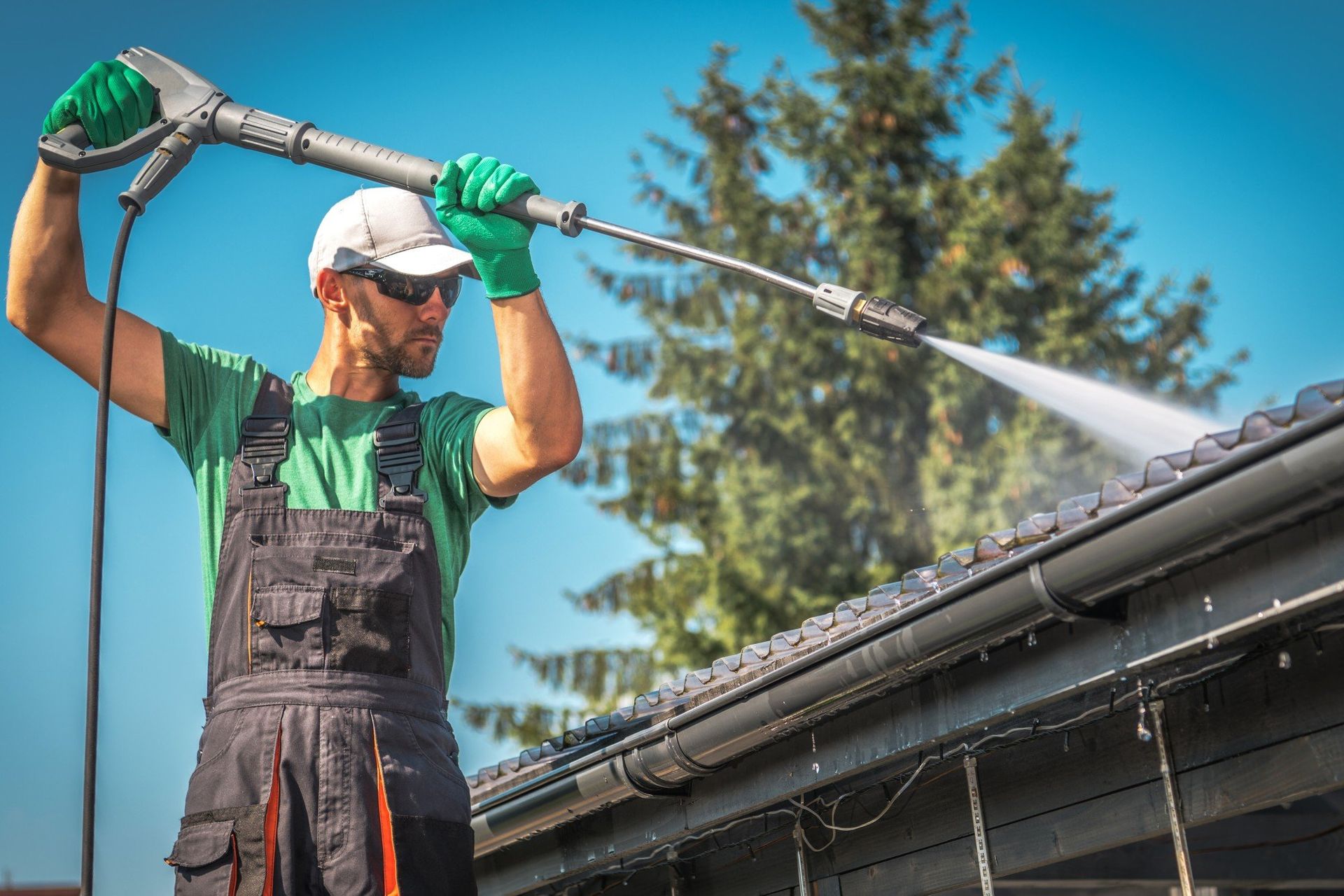
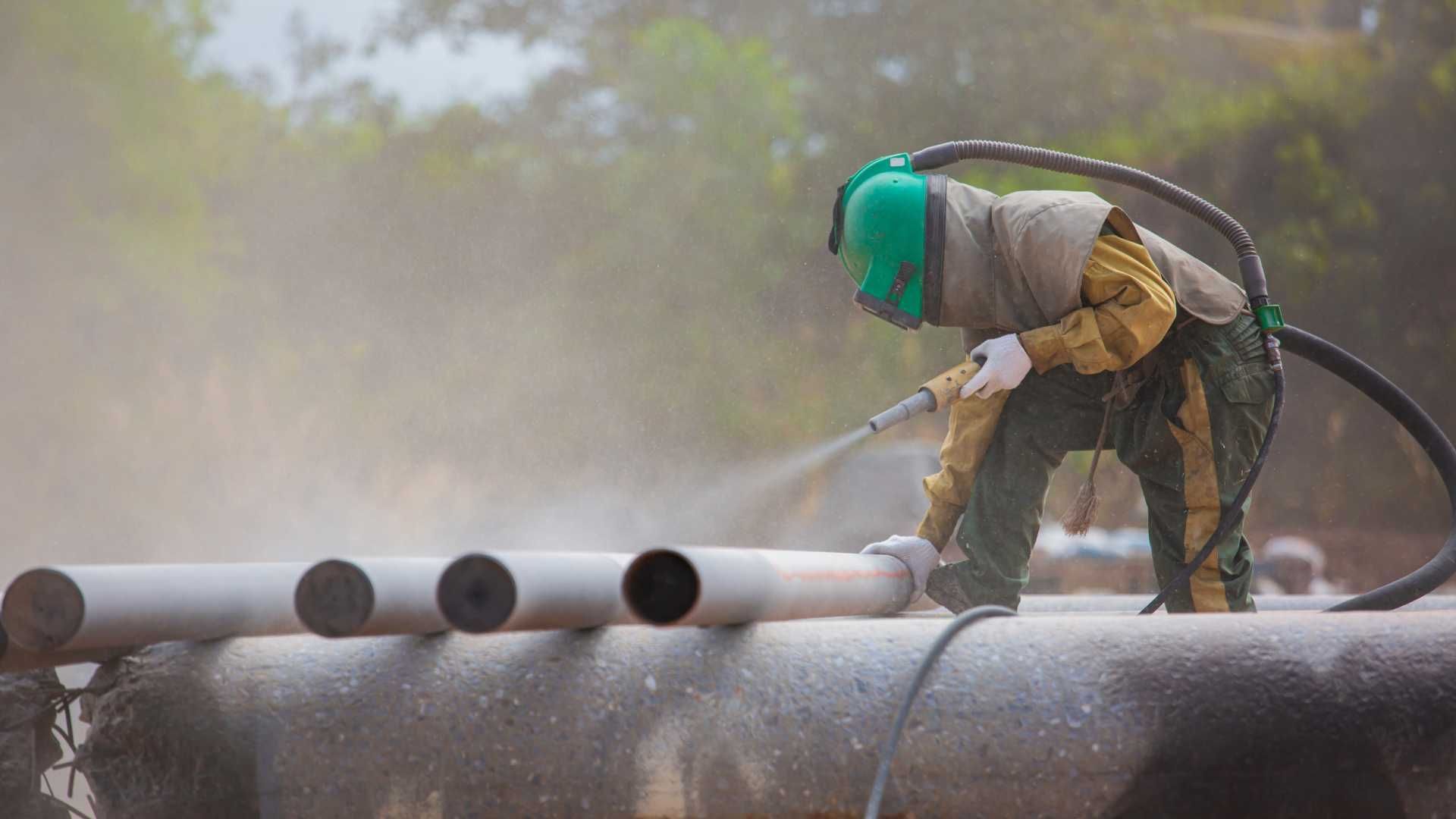
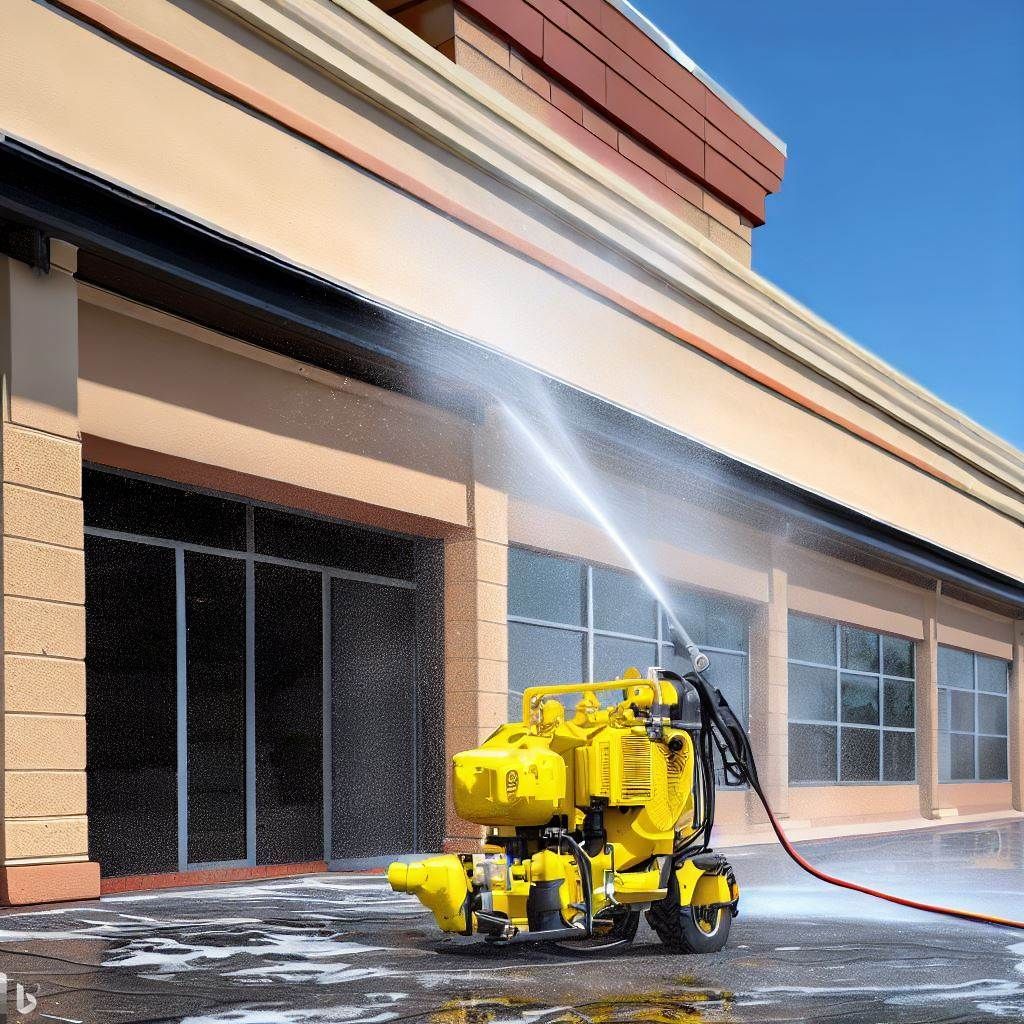
Commercial pressure washing services use professional equipment to remove dirt, stains, grease, organic growth, and other contaminants from exterior surfaces. The equipment and cleaning methods used depend on the material being cleaned and the type of buildup present.
Pressure washing is commonly used on durable surfaces such as concrete, masonry, parking areas, loading docks, and sidewalks. Lower-pressure cleaning methods may be a better choice for painted surfaces, certain building facades, and other materials that could be damaged by
excessive pressure. Matching the cleaning method to the surface is an important part of professional exterior maintenance.
Commercial pressure washing can be used throughout a property, including:
- Sidewalks and walkways
- Building entrances
- Concrete surfaces
- Parking garages
- Loading docks
- Dumpster pads and trash areas
- Exterior walls
- Breezeways
- Patios and outdoor common areas
- Retaining walls and other hardscape surfaces
For property managers responsible for large facilities or multiple properties, these services can become part of a recurring exterior maintenance schedule rather than something that is only requested once surfaces become heavily stained.
1. Commercial Pressure Washing Services Improve Property Appearance
A commercial building's exterior is one of the first things tenants, customers, employees, and visitors see. Dirty concrete, stained walls, algae-covered walkways, and grimy entrances can make an otherwise well-maintained property appear neglected.
Commercial pressure washing services remove buildup that can be difficult to address through sweeping, rinsing, or other routine cleaning. Cleaning sidewalks, entrances, walls, and other highly visible areas can quickly improve the overall presentation of the property.
This can be especially important for retail centers, office buildings, multifamily communities, hospitality properties, and other facilities where appearance affects the experience of tenants and visitors.
It also helps property managers maintain a more consistent standard across a portfolio. Instead of waiting for tenants to complain or for exterior staining to become severe, scheduled cleaning keeps appearance issues from getting too far ahead of the maintenance team.
2. Pressure Washing Helps Remove Slippery Buildup
Appearance is only one reason to keep exterior surfaces clean. Dirt, algae, grease, oil, and other substances can collect on walking surfaces and create maintenance concerns.
Entrances, sidewalks, stairs, ramps, breezeways, and other high-traffic areas deserve particular attention. OSHA requires workplace walking-working surfaces to be maintained in a clean and safe condition and calls for regular inspection and correction of hazardous conditions.
Commercial pressure washing services can help remove buildup from these areas as part of a larger property maintenance program. Dumpster areas, loading zones, and service entrances may also require more frequent attention because grease, fluids, trash residue, and heavy traffic can cause these areas to become dirty faster than other parts of a property.
Pressure washing does not replace regular property inspections or other safety practices, but it can be a useful part of maintaining cleaner exterior walking and working areas.
3. Regular Cleaning Supports Preventive Maintenance
Property managers already understand the value of preventive maintenance for roofing, HVAC equipment, pavement, landscaping, and other building systems. Exterior cleaning can be approached the same way.
Dirt and organic growth can remain on exterior materials for long periods if they are not
removed. Moisture can also become trapped around buildup on certain surfaces. Routine cleaning removes contaminants and gives maintenance teams a clearer view of the condition of the material underneath.
A clean surface can make cracks, damaged coatings, deteriorated sealants, worn paint, and other maintenance concerns easier to identify. Property managers can then address these issues before they become part of a larger repair project.
For this reason, pressure washing can serve two purposes at once. It cleans the property while supporting ongoing inspections and preventive maintenance planning.
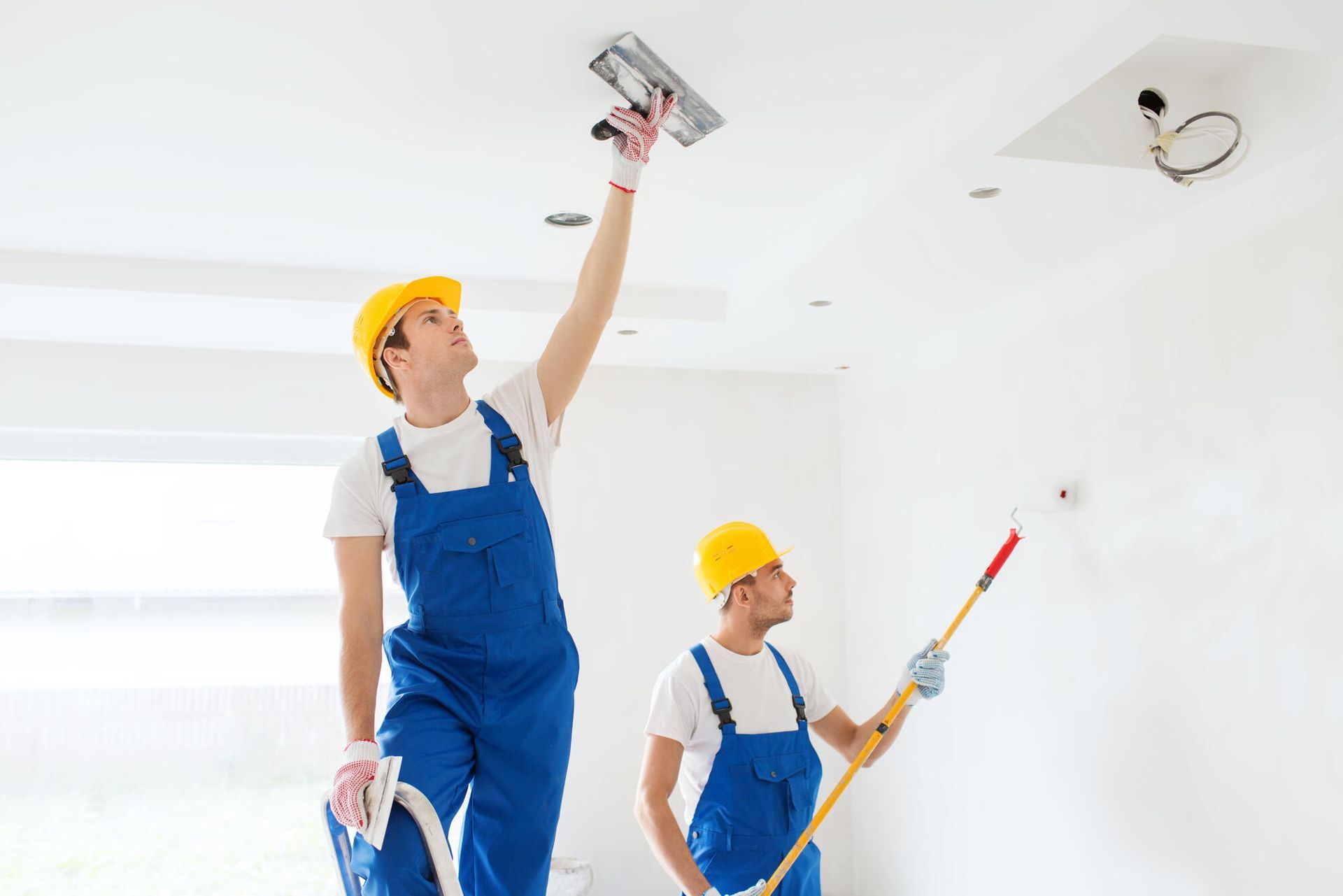
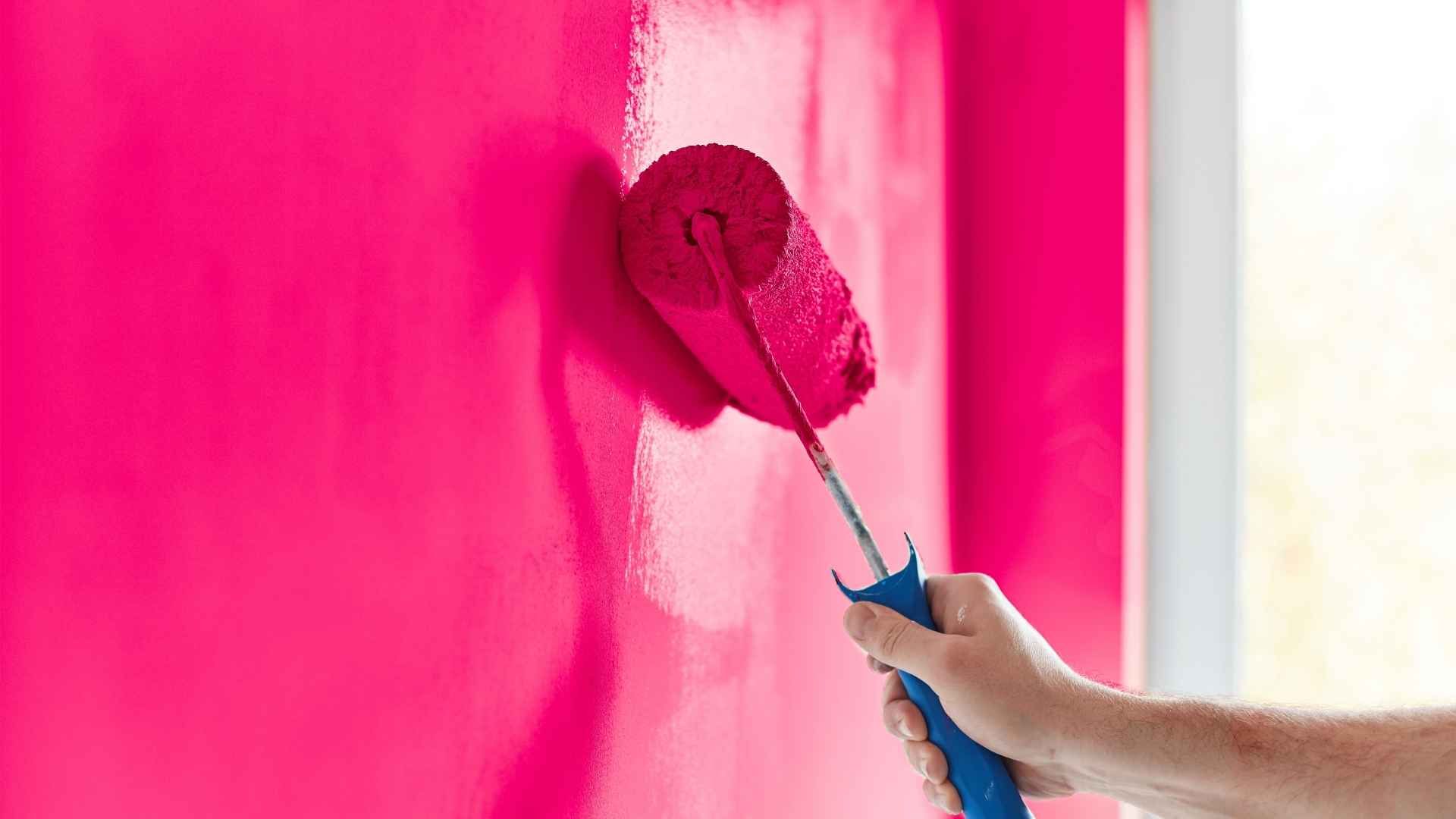
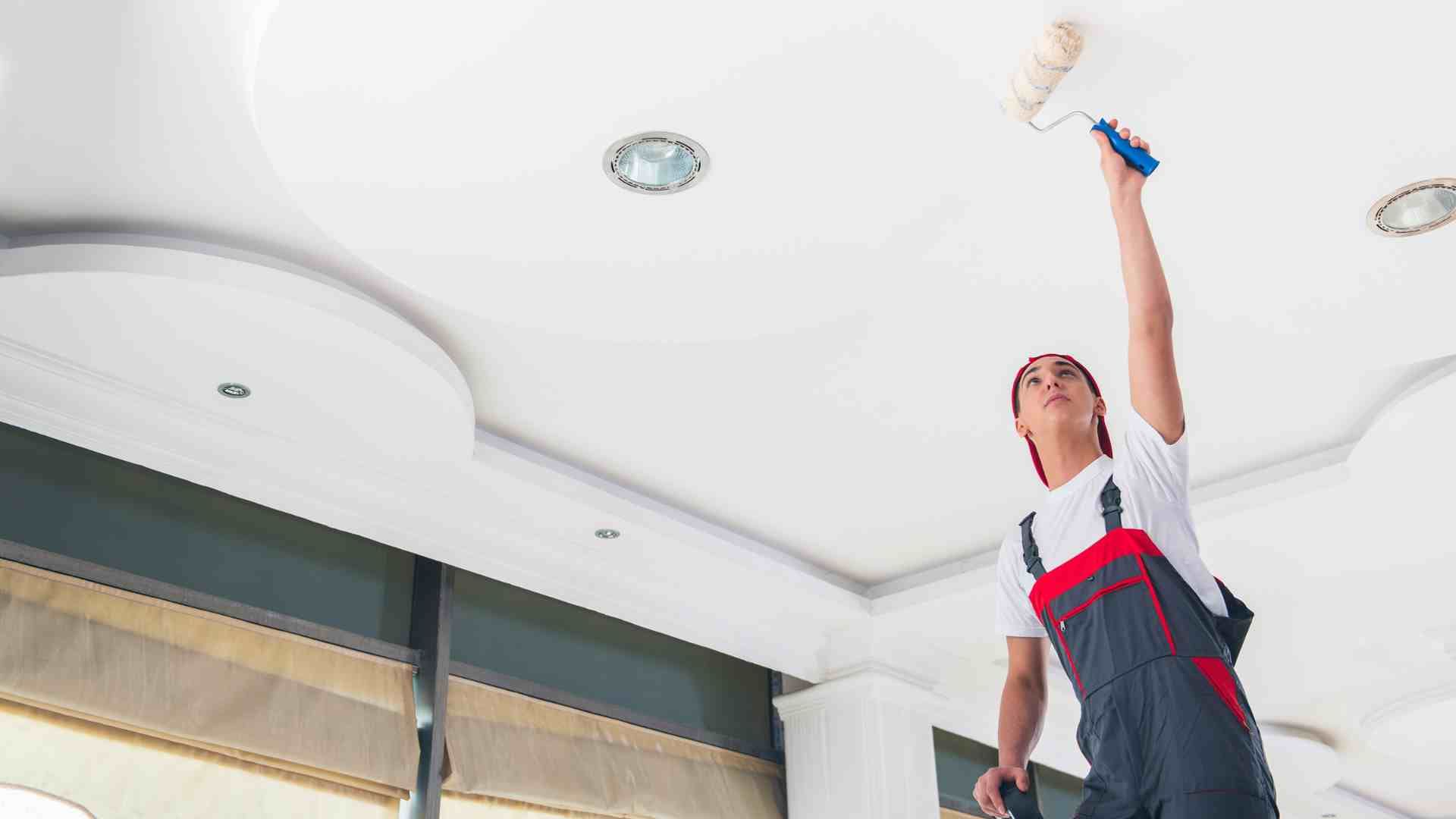
4. Commercial Pressure Washing Services Can Prepare Surfaces for Painting
For commercial properties that are due for exterior painting or coating work, surface preparation is a critical step.
Paint and coatings perform best when they are applied to a properly prepared surface. Dirt, chalking, mildew, loose material, and other contaminants can interfere with adhesion. Pressure washing or another appropriate cleaning method can remove this buildup before painting begins.
This is one advantage of working with a commercial painting and maintenance contractor for pressure washing. The contractor can evaluate the condition of the surface with future coating work in mind.
Cleaning may reveal peeling paint, cracks, failed caulking, damaged concrete, or other areas that require attention before new coatings are applied. Addressing these conditions during preparation helps create a better foundation for the painting system.
5. It Helps Keep High-Traffic Areas Manageable
Every commercial property has areas that become dirty faster than others.
A retail center may struggle with gum and stains around storefront sidewalks. An industrial facility may experience heavy buildup around loading docks and service areas. A multifamily property may need more frequent cleaning around breezeways, stairs, dumpster enclosures, and common spaces.
Trying to treat every part of the property on the same schedule may not make sense.
Commercial pressure washing services can be scheduled according to actual property conditions. High-traffic areas may require recurring service while less exposed surfaces may only need periodic cleaning.
This allows property managers to focus maintenance resources where they are most useful instead of waiting until the entire property needs a major cleaning.
6. Professional Pressure Washing Protects Sensitive Surfaces
More pressure is not always better.
Commercial properties contain many different exterior materials, and each can respond
differently to water pressure and cleaning products. Concrete may tolerate a cleaning method that would be inappropriate for painted siding, EIFS, stucco, older masonry, or certain architectural finishes. Improper pressure can damage some surfaces or force water into areas where it should not go.
An experienced contractor should evaluate the material, condition, staining, and surrounding areas before selecting a cleaning method.
For property managers, this is an important distinction. The goal is not simply to blast away visible dirt. The goal is to clean the surface effectively without creating another maintenance issue in the process.
7. Pressure Washing Can Fit Into a Recurring Maintenance Program
Waiting until a building looks dirty enough to require attention can make exterior maintenance harder to manage.
A planned pressure washing schedule gives property managers a more consistent approach. Service frequency can be based on property type, traffic, exposure, seasonal conditions, and the areas most likely to develop buildup. Recurring programs often focus on entrances, sidewalks, dumpster pads, parking areas, and other locations that collect contaminants quickly.
For properties throughout the Southeast, seasonal weather patterns and extended periods of humidity may also affect how quickly exterior surfaces develop organic growth.
A maintenance plan can be adjusted over time. If certain areas remain clean longer, service can be reduced. If another area repeatedly develops stains or algae, it can be cleaned more frequently.
That flexibility helps property managers maintain the site based on real conditions rather than a one-size-fits-all schedule.
8. One Contractor Can Address Multiple Exterior Maintenance Needs
Coordinating vendors can become a job of its own, especially for property managers responsible for multiple buildings or sites.
Working with a commercial contractor that handles pressure washing along with painting and property maintenance can simplify that process. During cleaning, crews may identify areas that need painting, coating repairs, caulking, concrete work, or other maintenance.
Instead of treating pressure washing as an isolated service, property managers can use it as part of a broader exterior maintenance strategy.
This approach can also make it easier to plan future work. For example, a property can be
pressure washed before painting, or exterior cleaning can be scheduled alongside other
maintenance projects to reduce repeated disruptions to tenants and building operations.
Make Pressure Washing Part of Your Property Maintenance Plan
Commercial pressure washing services provide benefits that go far beyond making a building look cleaner. Regular service can help remove stubborn buildup, maintain walking areas, support preventive maintenance, prepare surfaces for painting, and keep high-traffic parts of a property easier to manage.
The key is using the right cleaning method for each surface and scheduling service based on the property's actual needs.
Custom Coatings provides commercial pressure washing, painting, and maintenance services for properties in North Carolina and throughout the surrounding region.
Contact Custom Coatings today to discuss your property's exterior maintenance needs and request a quote for commercial pressure washing services.
FAQ
How often should a commercial property be pressure washed?
Most commercial properties benefit from pressure washing once or twice per year, but high-traffic areas may need more frequent cleaning. Climate, property type, surface materials, and exposure to grease, dirt, algae, and moisture can all affect the right schedule.
Can pressure washing damage commercial building surfaces?
Yes, excessive pressure or the wrong cleaning method can damage paint, stucco, EIFS, masonry, and other exterior materials. A professional contractor should evaluate each surface and adjust the pressure, equipment, and cleaning method accordingly.
Should a commercial building be pressure washed before exterior painting?
In many cases, yes. Removing dirt, mildew, chalking, and other surface contaminants helps create a cleaner surface for proper paint and coating adhesion.

Joe Brindle
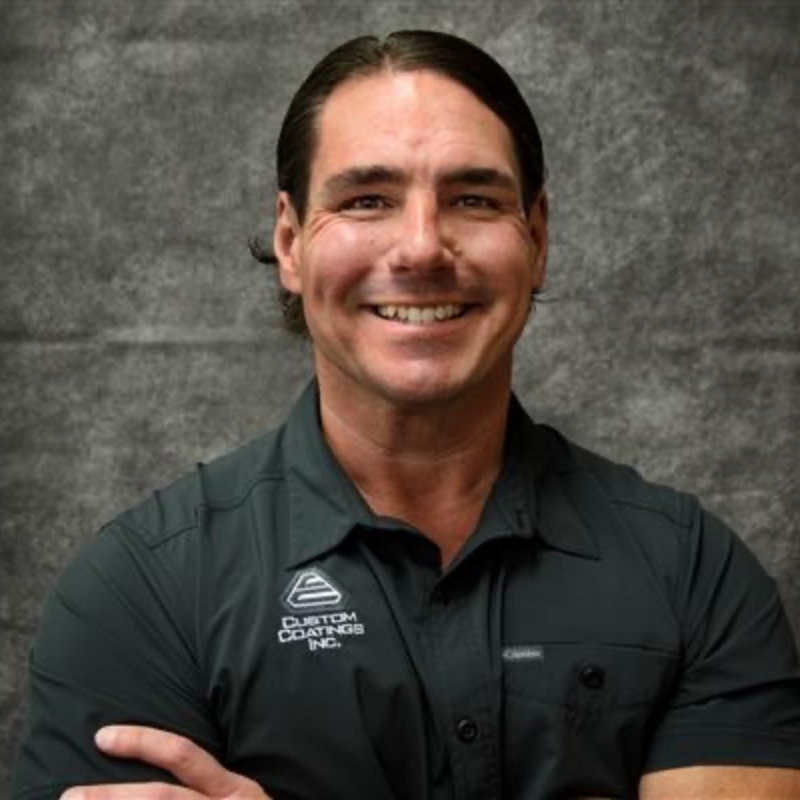
Joe Brindle is the President and co-founder of Custom Coatings Inc., bringing more than 30 years of experience in commercial and industrial painting and coatings. Since founding the company in 1991, Joe has built extensive hands-on knowledge of coating systems, surface preparation, estimating, project planning, and product selection for commercial and industrial facilities throughout the Southeast.

SHARE THIS ARTICLE
OUR RECENT BLOG ARTICLES