Grind and Seal vs Grind and Polish: Which Is Better?
Last Updated: September 27, 2022

Joe Brindle
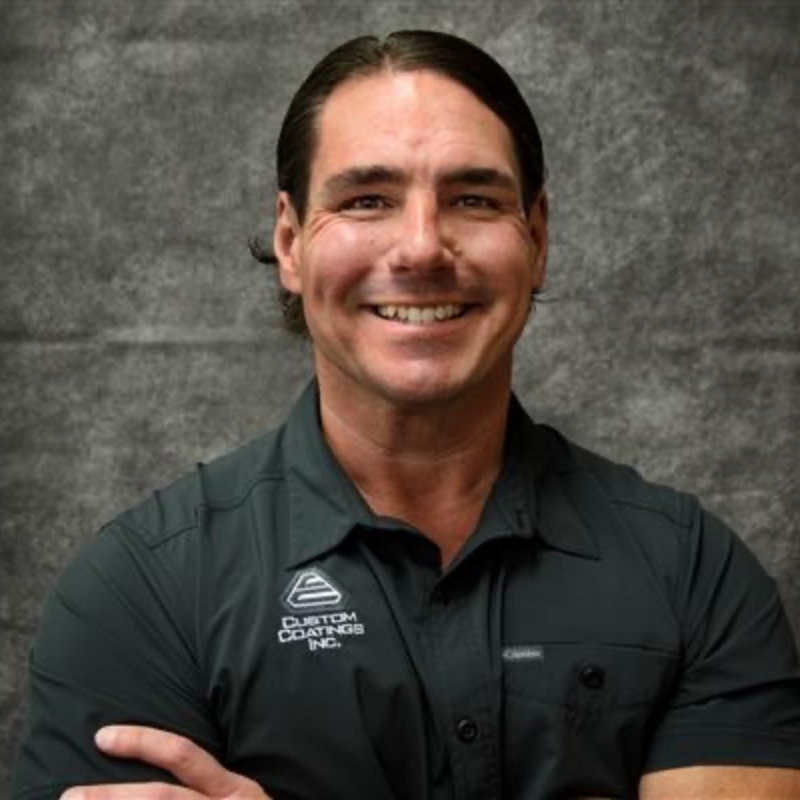
Joe Brindle is the President and co-founder of Custom Coatings Inc., bringing more than 30 years of experience in commercial and industrial painting and coatings. Since founding the company in 1991, Joe has built extensive hands-on knowledge of coating systems, surface preparation, estimating, project planning, and product selection for commercial and industrial facilities throughout the Southeast.

SHARE THIS ARTICLE
OUR RECENT BLOG ARTICLES
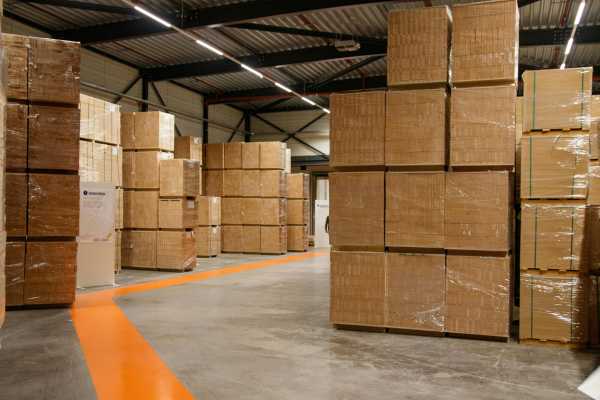
Custom Coatings provides floor striping for warehouses across the Southeast, helping facilities improve traffic flow, safety, and organization.
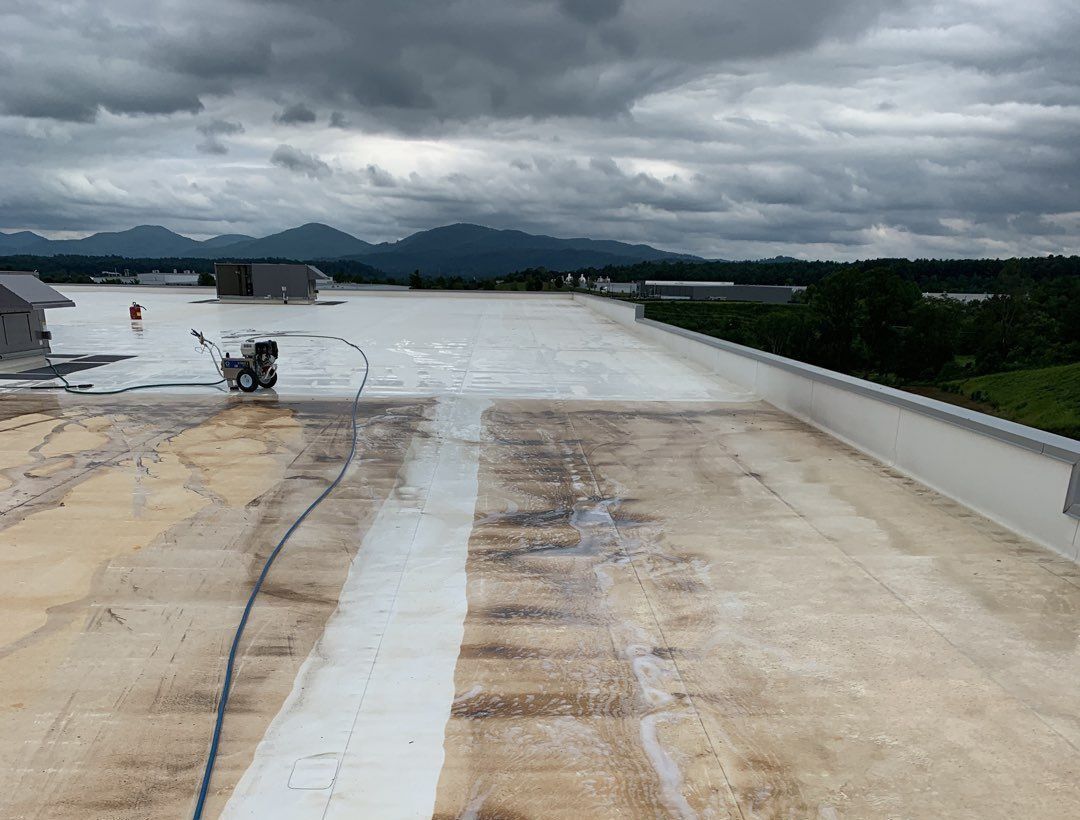
Custom Coatings provides commercial pressure washing services to remove dirt, stains, and buildup from commercial properties across the Southeast.
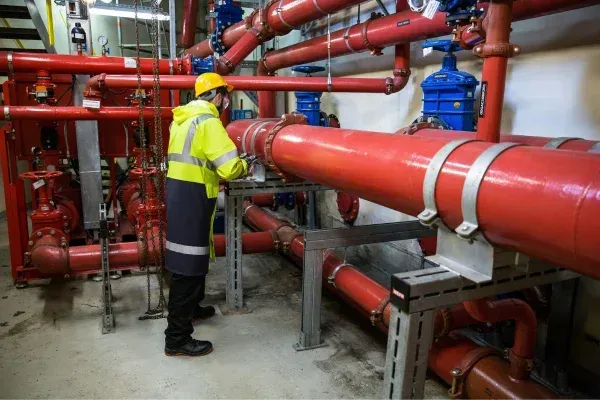
Protect your facility with anti-corrosion coating from Custom Coatings. Serving commercial and industrial properties across North Carolina. Get a free quote.
Custom Coatings provides trusted commercial painting contractors serving North Carolina with expert coating solutions for tough commercial sites.
Explore waterproof roof coating solutions trusted by facility managers. Contact Custom Coatings to protect your commercial roof.
Spring storms are coming. Here’s what NC property managers need to know about above-grade waterproofing before water becomes a problem.
Industrial epoxy floor coating cost & value from Custom Coatings. Serving the Southeast with durable solutions for industrial facilities.
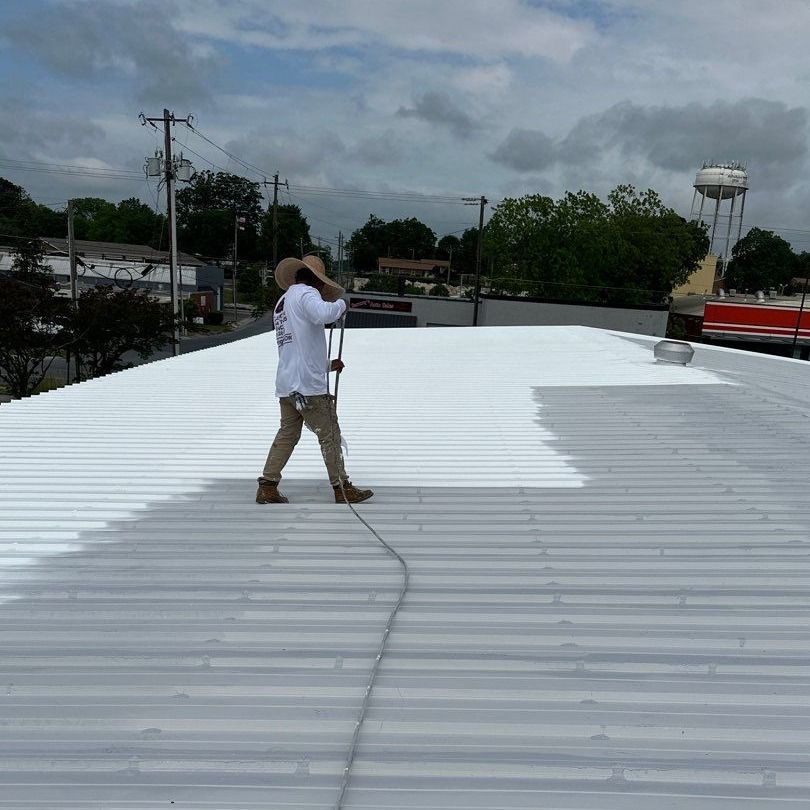
Roof coating vs roof replacement: how facility managers can determine the right solution for extending roof life and protecting their buildings.
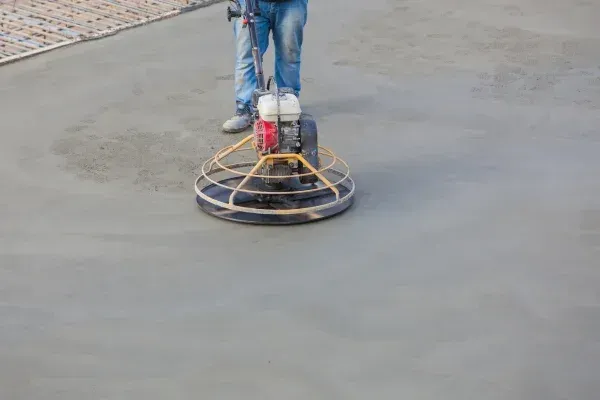
Need concrete polishing contractors? Custom Coatings serves North Carolina with durable commercial floor finishes built for high traffic facilities.
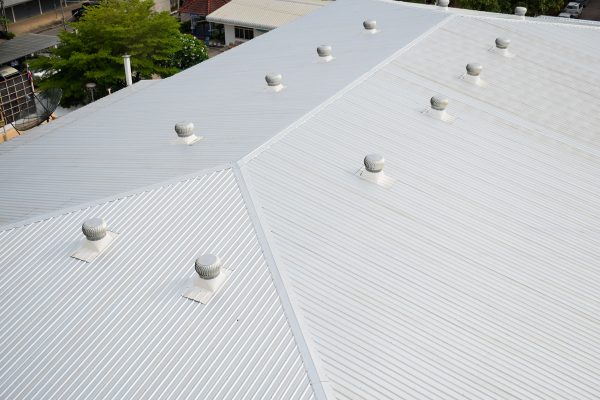
Lower energy costs with commercial roof coatings from Custom Coatings. Serving North Carolina commercial properties with proven roof coating solutions.
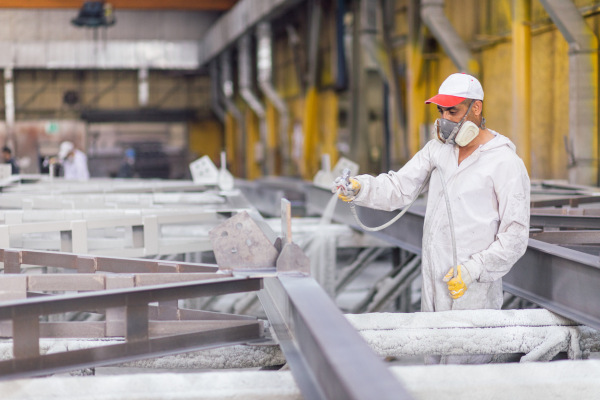
Learn why industrial painting requires trained crews and proper planning. Custom Coatings delivers dependable industrial painting for facilities in NC.
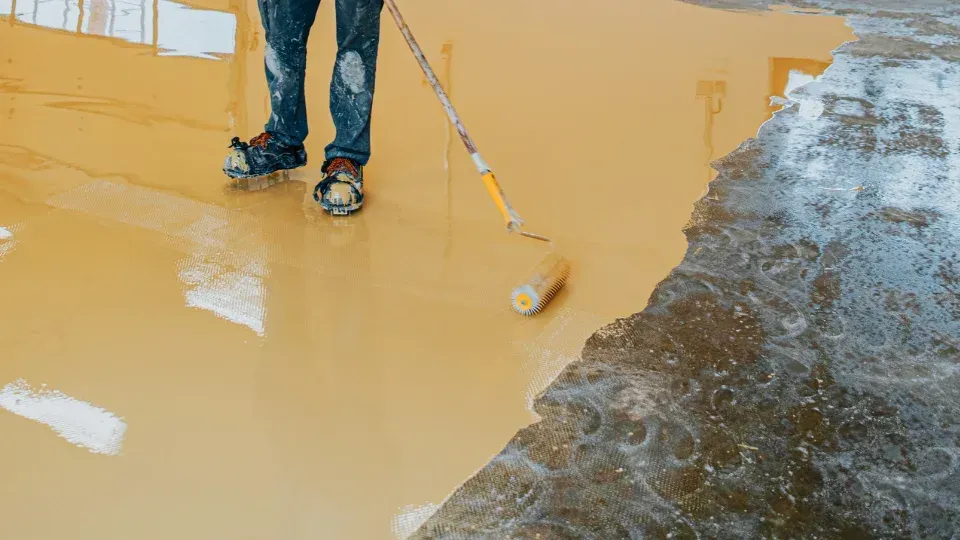
Protect demanding facilities with high performance coatings that resist chemicals, traffic, and weather. Learn how these systems support long-term performance.
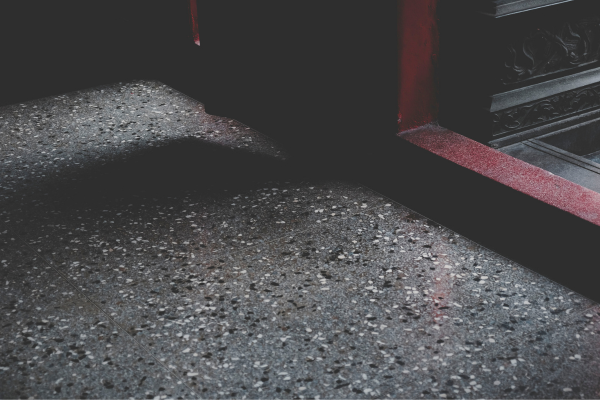
Custom Coatings explains why an epoxy flake garage floor lasts longer than paint, offering durable, low-maintenance protection for homes and commercial spaces.
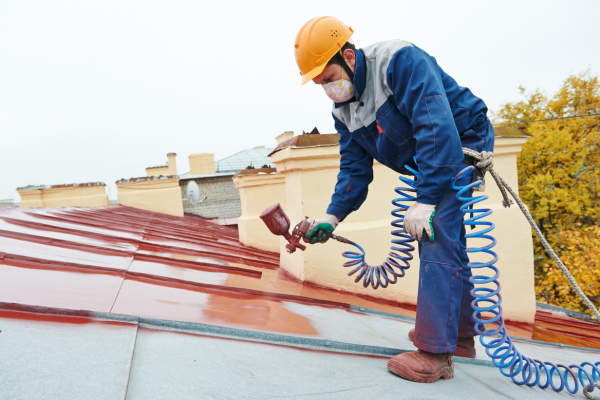
Protect your property with roof coating services that extend roof life, prevent costly repairs, and improve energy efficiency for homes and businesses.
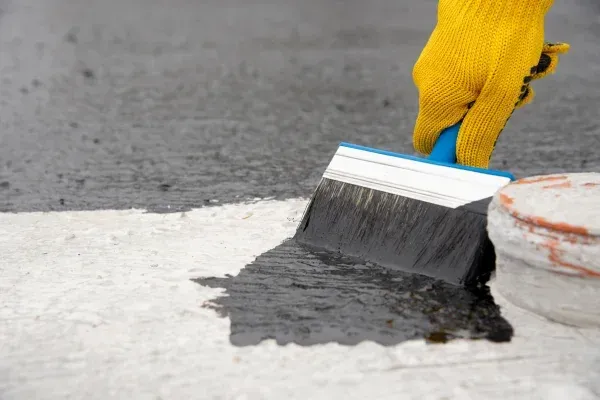
Learn how concrete waterproofing contractors protect commercial, industrial, and residential properties from water damage and costly repairs.
Explore the best commercial floor coatings for high-traffic areas. Durable, safe, and built to last in demanding industrial and retail spaces.
Commercial epoxy floor coating installation guide for property managers. Learn steps, benefits, and what to expect from a professional epoxy flooring job.
Apartment painting tips for property managers on color choices, minimizing downtime, and hiring the right contractor to boost tenant appeal.

Discover how urethane floor coating improves durability, resists damage, and lowers maintenance costs for commercial and industrial properties.

Prevent costly damage with expert waterproofing services for residential and commercial properties. Learn signs, solutions, and long-term benefits.

Boost curb appeal and protect your property with commercial building painting. Get professional, long-lasting results for your business. Contact us today!
Protect your building with professional commercial waterproofing. Prevent leaks, reduce damage, and extend your property's lifespan. Contact us today!
Protect your property with a reliable waterproofing company. Custom Coatings offers expert solutions for homes and businesses to prevent water damage."
Improve facility safety with industrial floor coatings. Discover how epoxy and polyurea coatings offer slip, fire, and chemical resistance.
Explore top trends in kitchen cabinet painting for 2025. Learn how bold colors & eco-friendly paints can refresh your kitchen & boost home value.
Protect your roof from leaks and weather damage with a quality waterproof roof sealer. Learn the benefits, types, and why Custom Coatings is your best choice.
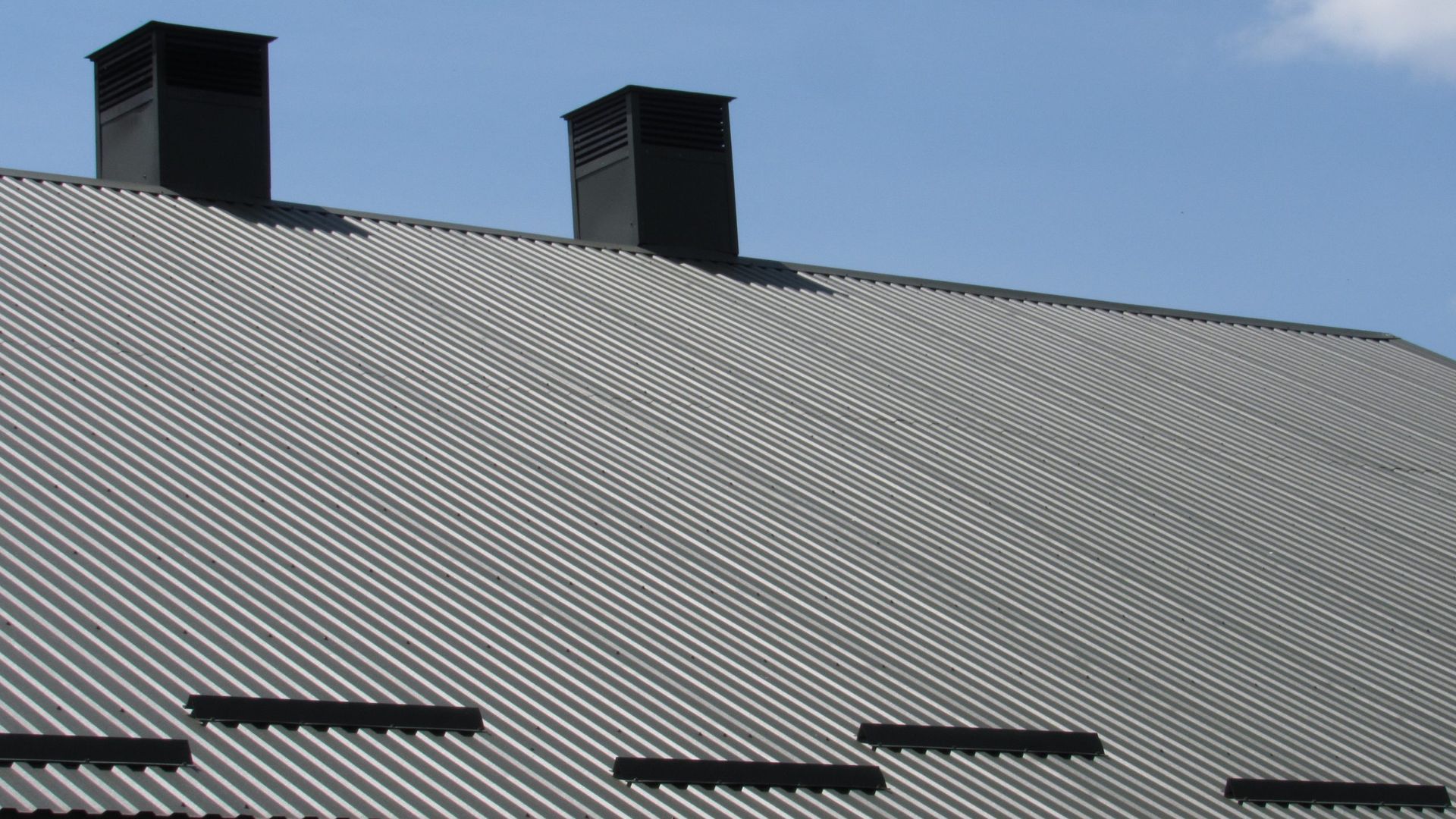
Protect your metal roof with a durable coating system. Extend its life and save on future repair costs. Learn more about metal roof coatings.

Enhance your industrial space with durable floor flakes. Discover why this flooring option is ideal for heavy use environments.
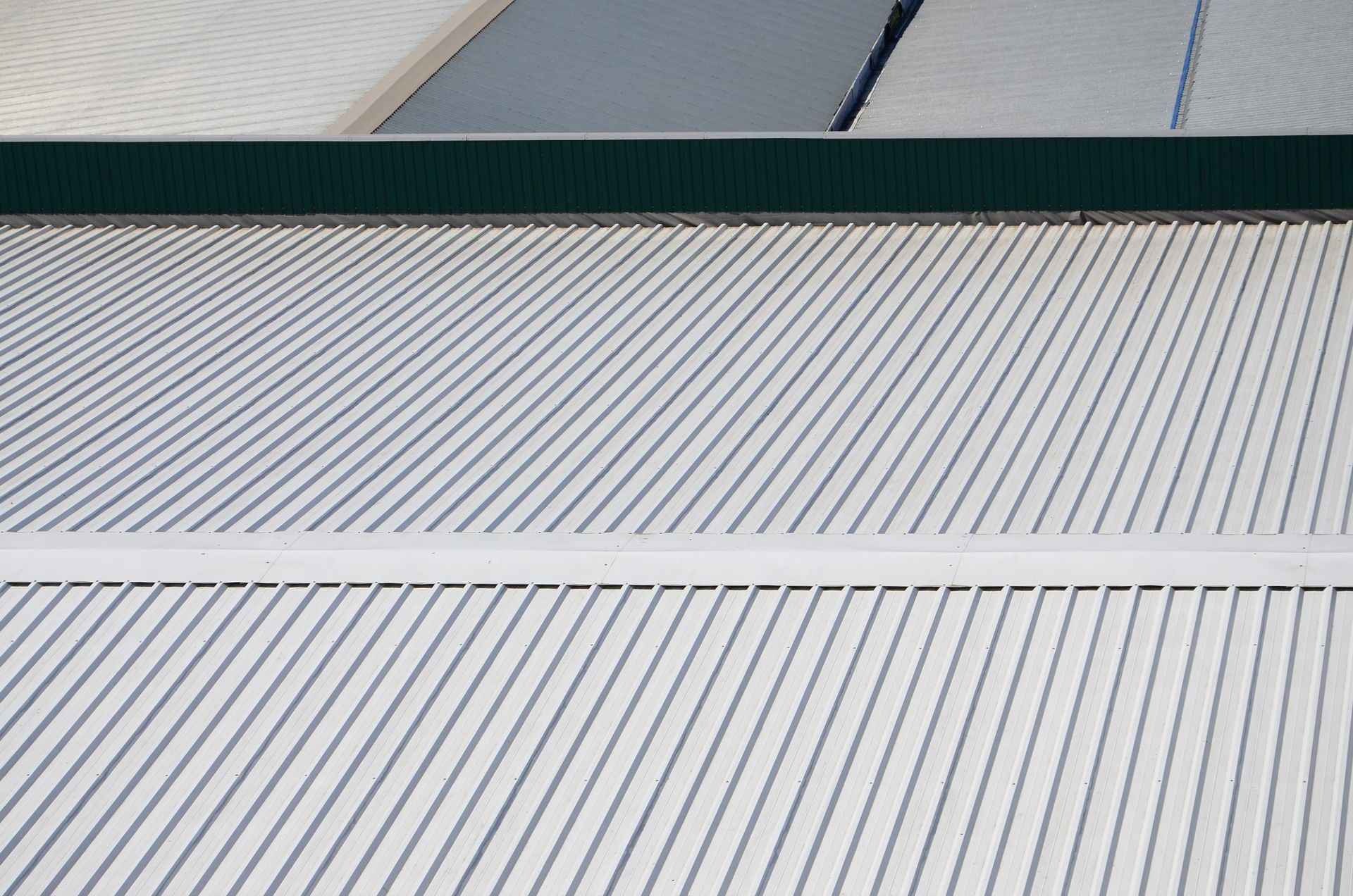
Protect your steel roof with the best coating. Find out how to choose the right steel roof coating for your project.
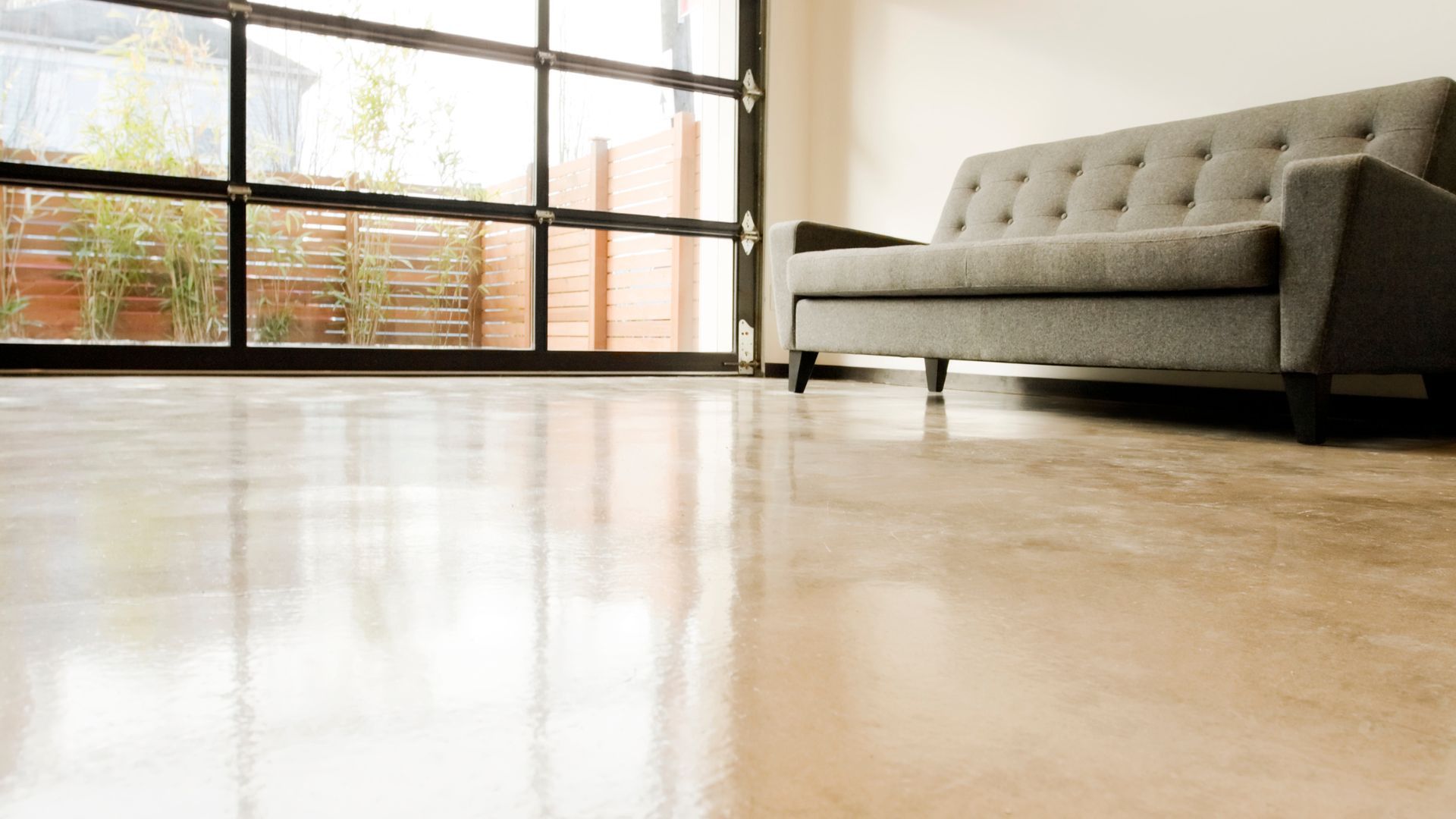
Compare epoxy and polyurethane concrete floor coatings to find the best option for your space. Learn about their benefits and drawbacks here!
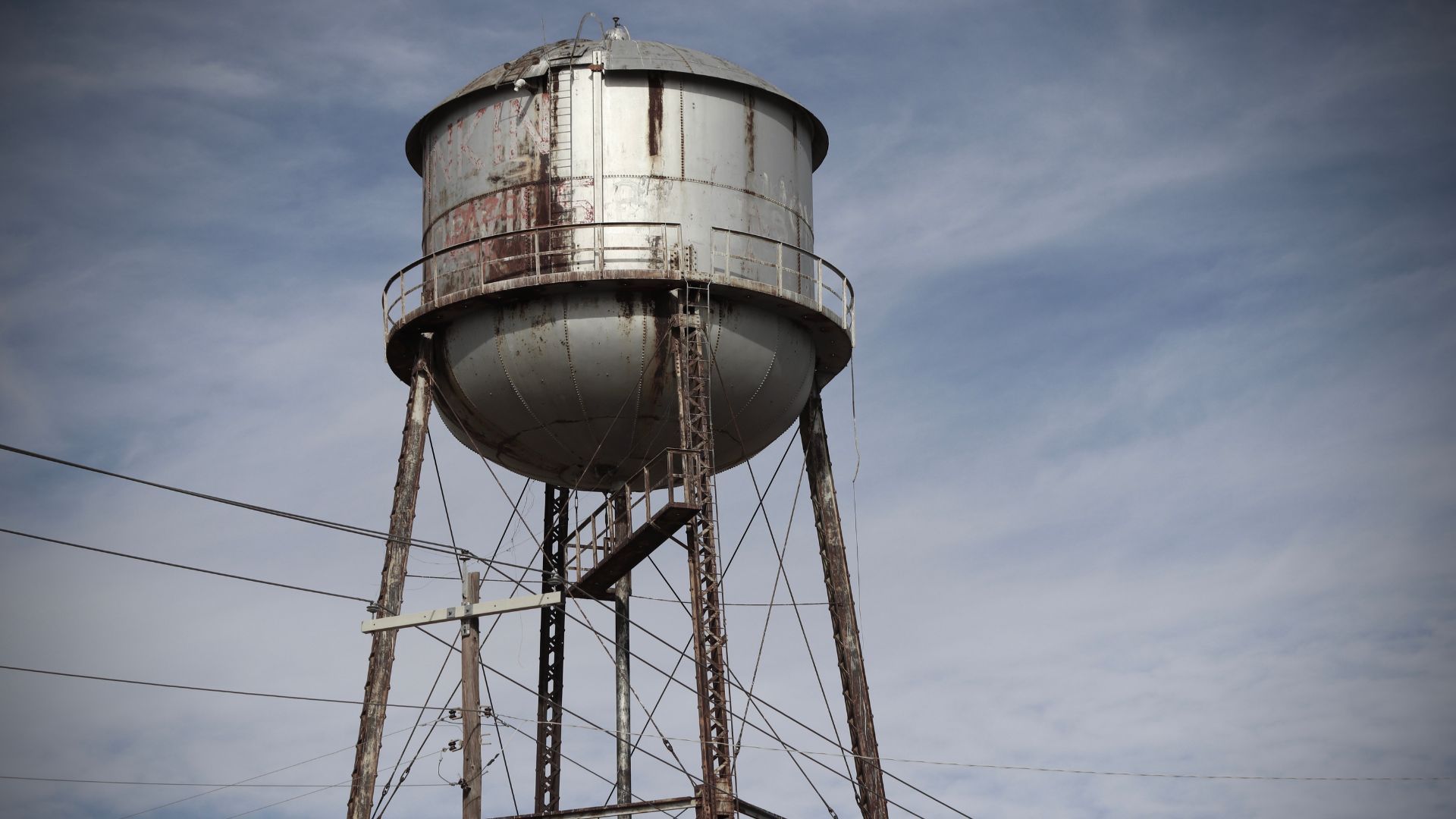
Time for a water tank painting refresh? Learn the 5 signs to watch for to protect your investment and ensure clean water. Water Tank Painting
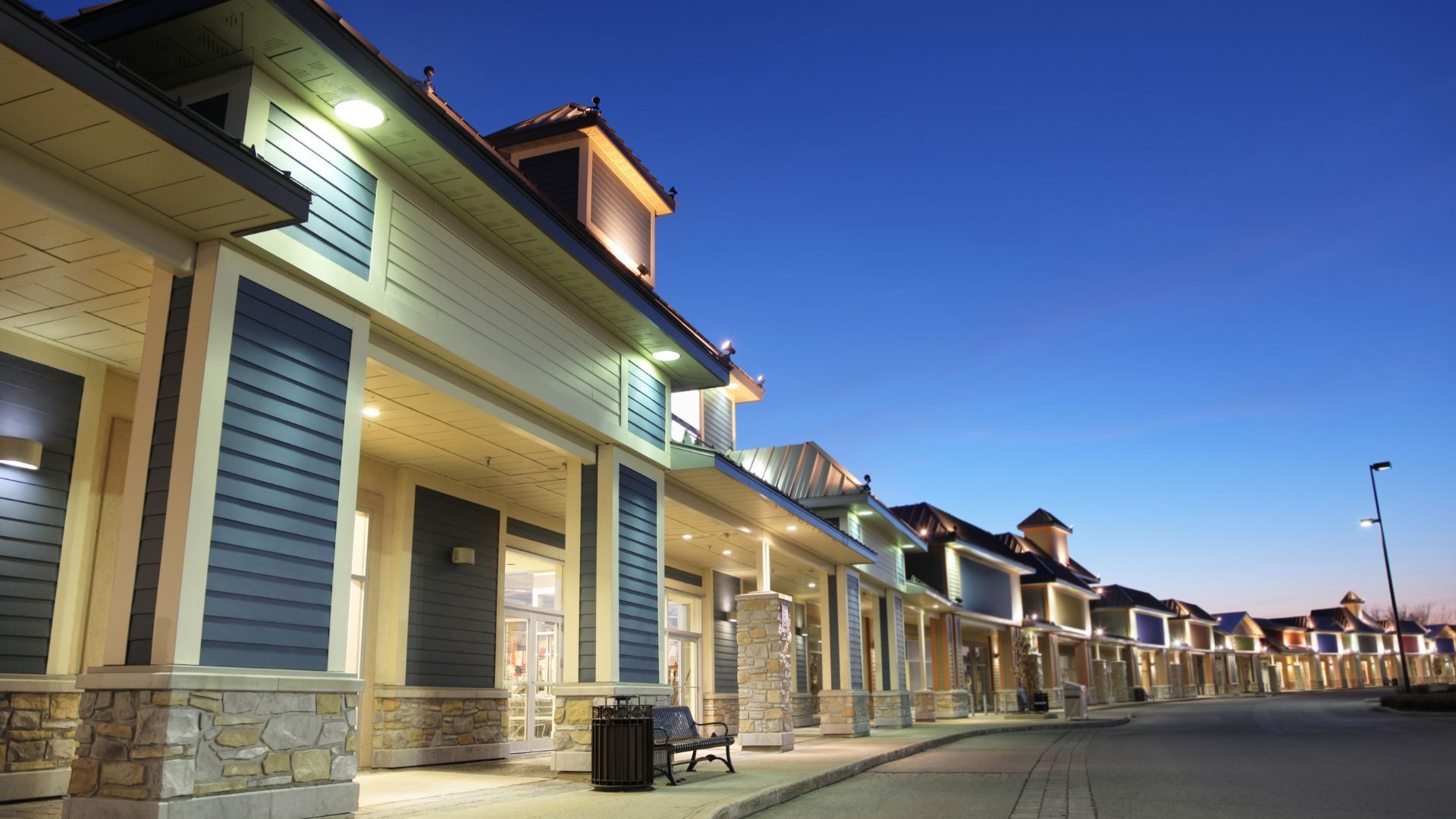
Transform your retail space with a fresh coat of paint from a skilled commercial painting contractor. Discover how to revitalize your store's atmosphere.
When it comes to commercial painting, you want to be sure the job is done right! Here is a comprehensive commercial protective coatings guide.
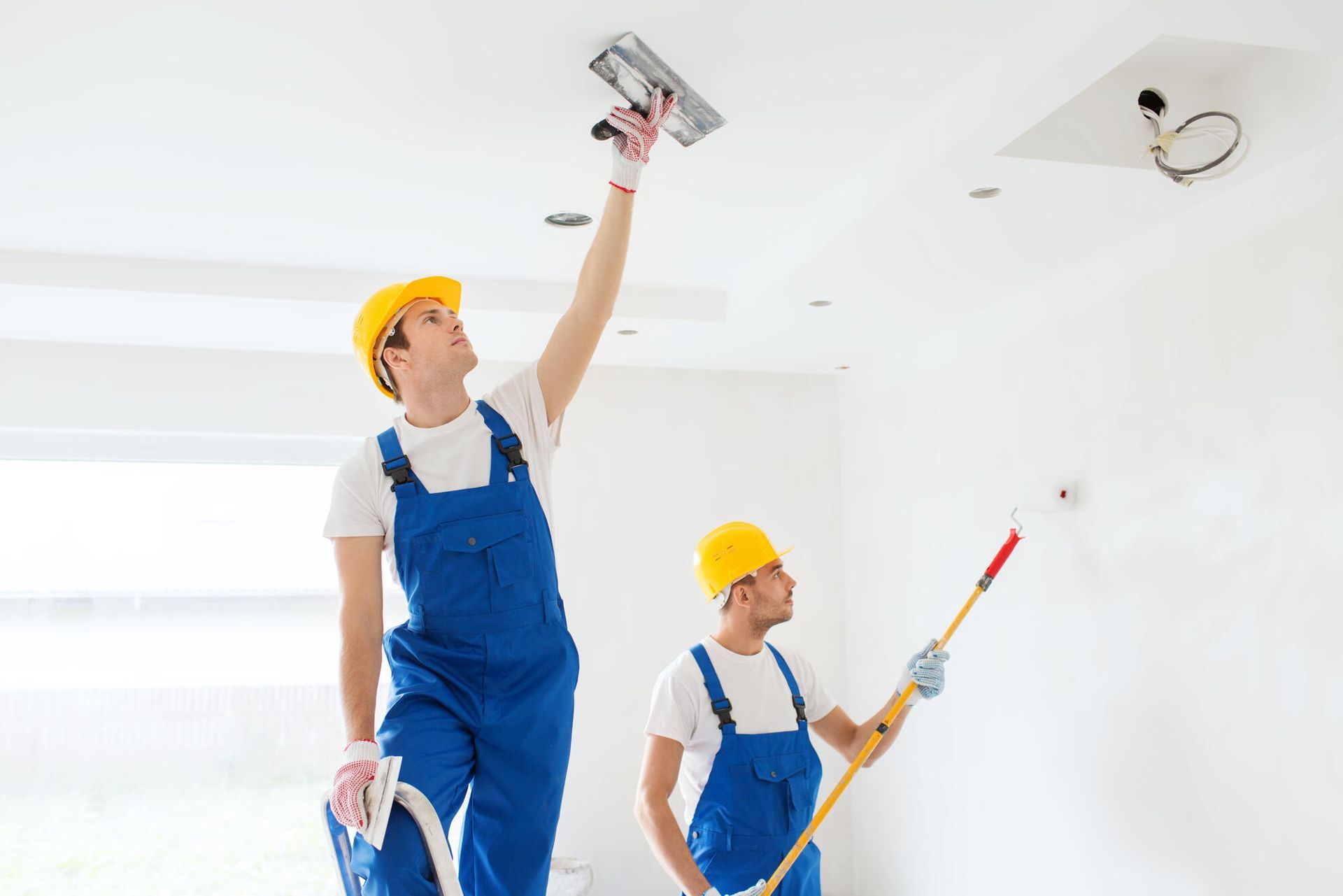
Are you interested in using ceiling paint on your property? Click here to find out what you need to know about commercial ceiling painting.
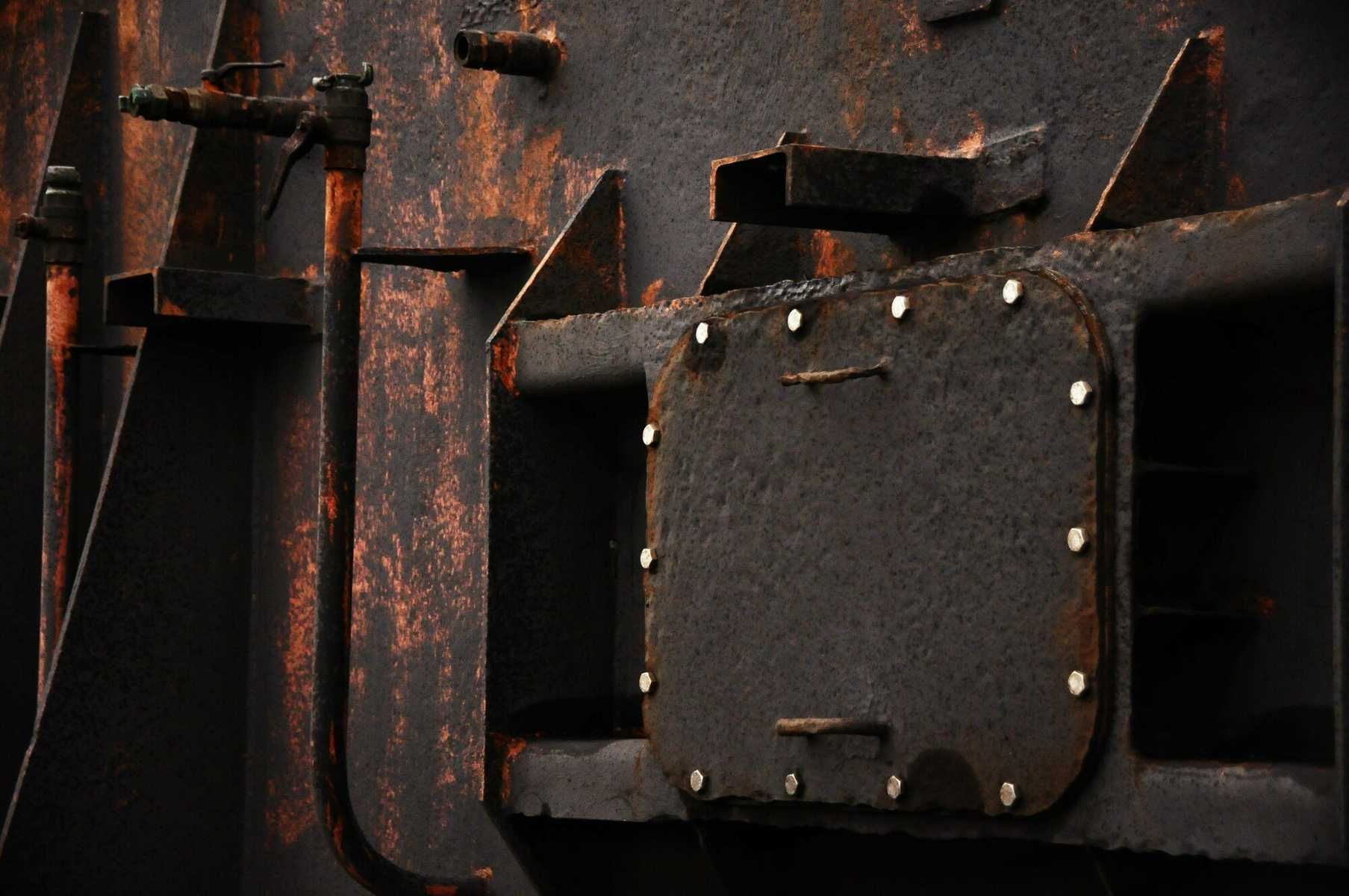
You should be able to trust the commercial painting services that you choose. Read here for the ultimate guide to industrial painting.
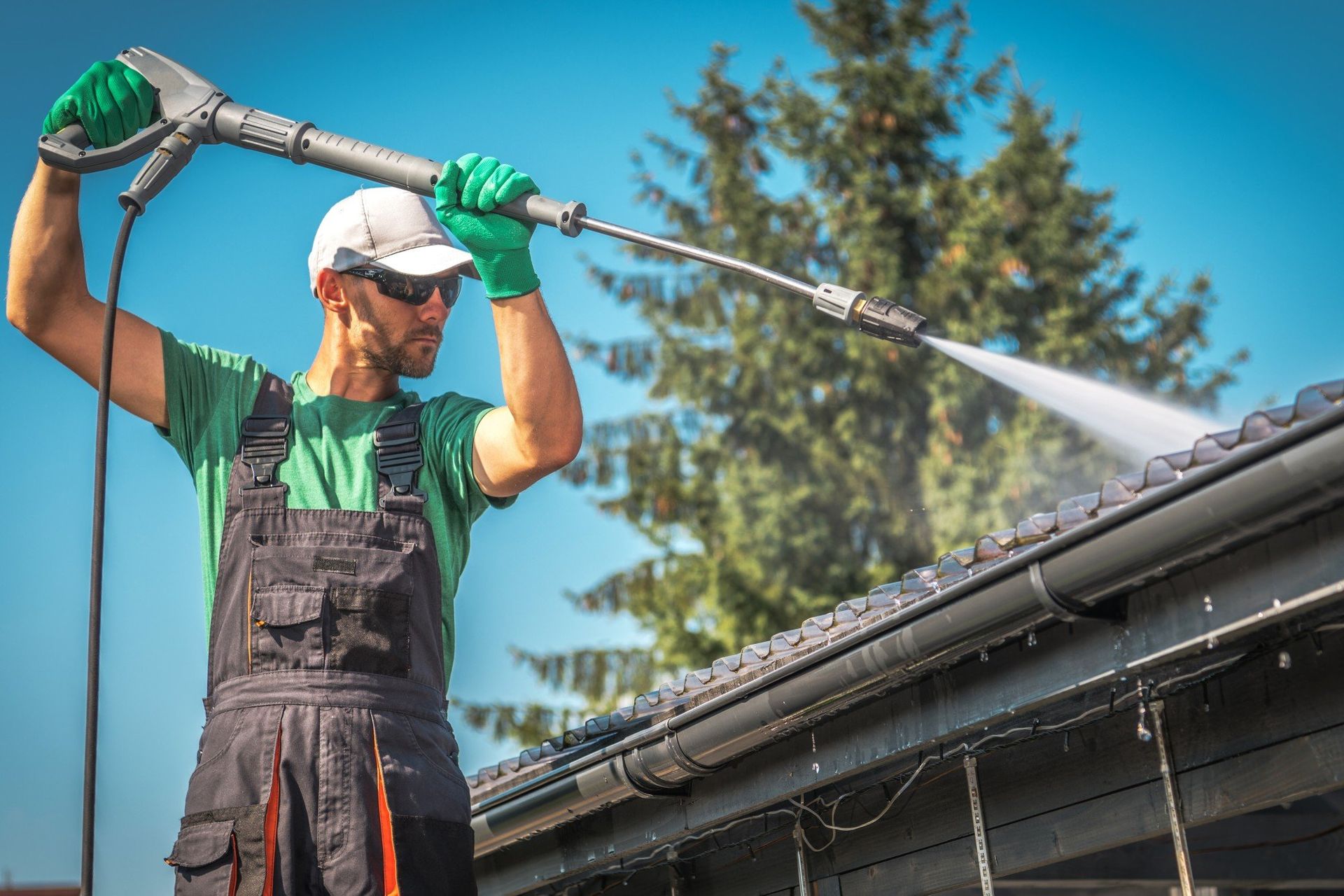
If you want to keep your commercial property in good shape, you should hire pressure cleaning services ASAP. Read about them in this guide.

Want to know about the best non-slip flooring for commercial and industrial properties? If so, this guide is for you. Learn your options here.
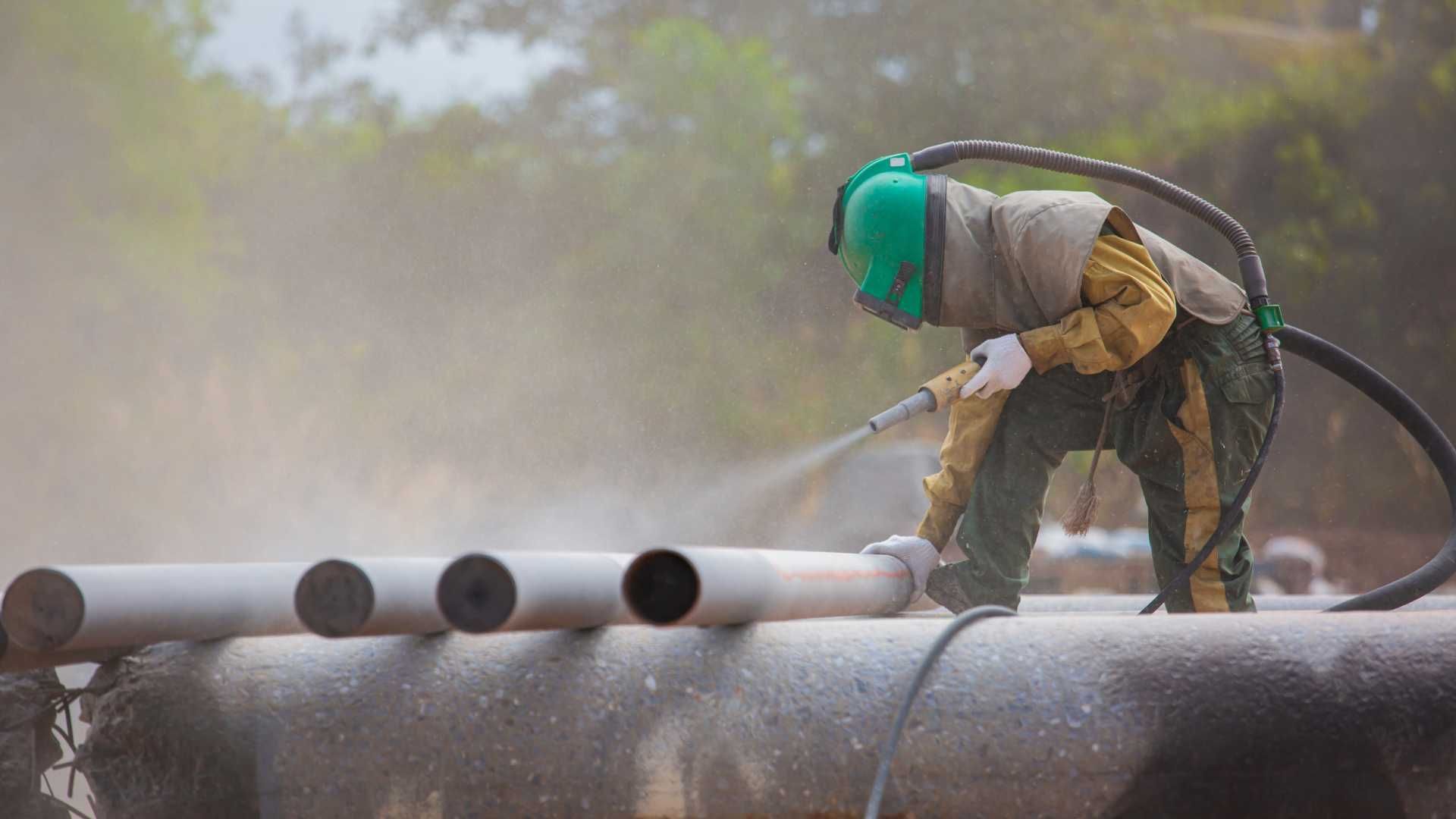
Discover the power of shot blasting and how it surpasses other surface cleaning techniques. Say goodbye to ineffective methods and hello to a spotless finish!
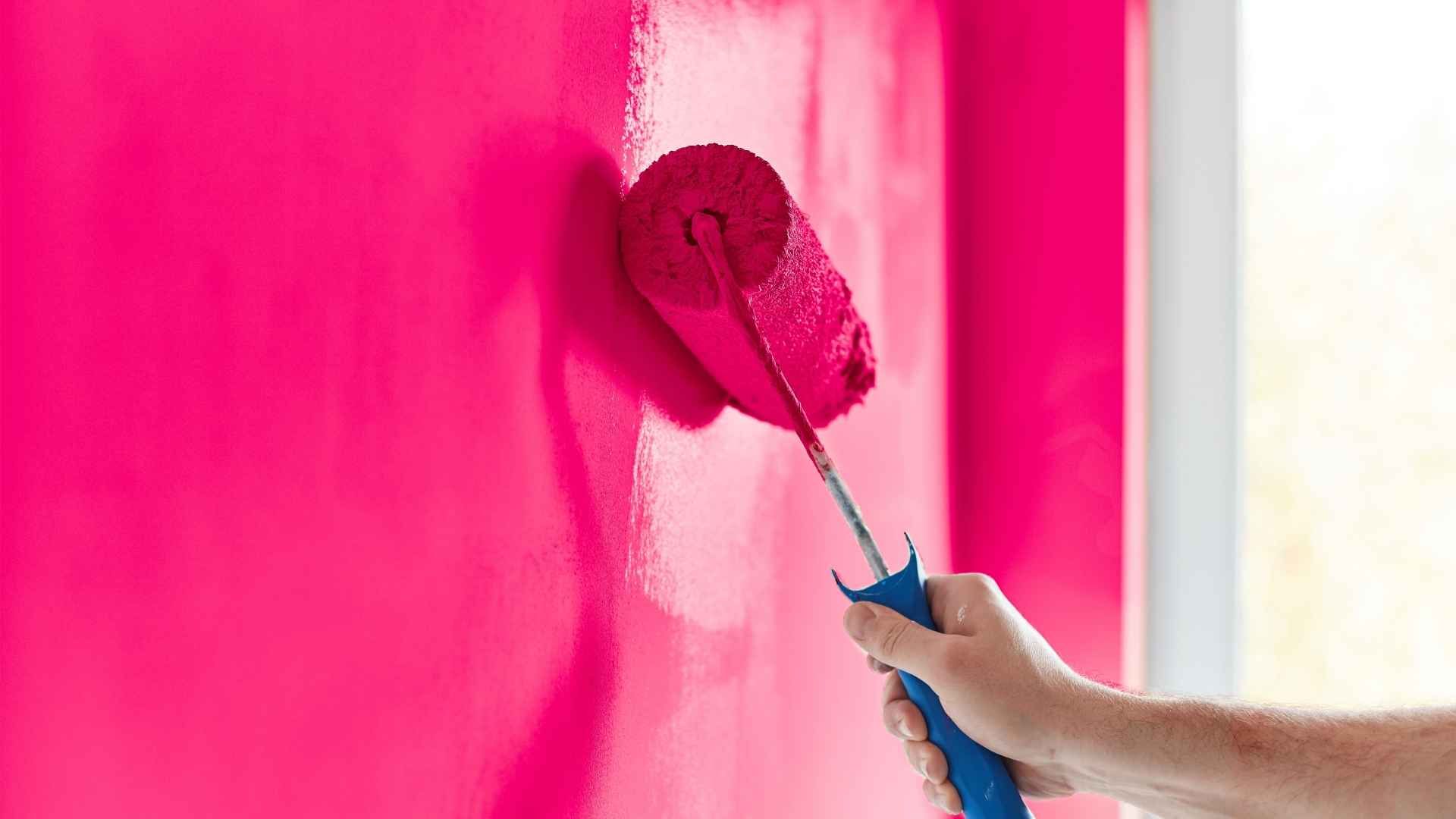
Never underestimate what a fresh coat of paint can do to an interior. Learn about the benefits of apartment paint color upgrades in this guide.
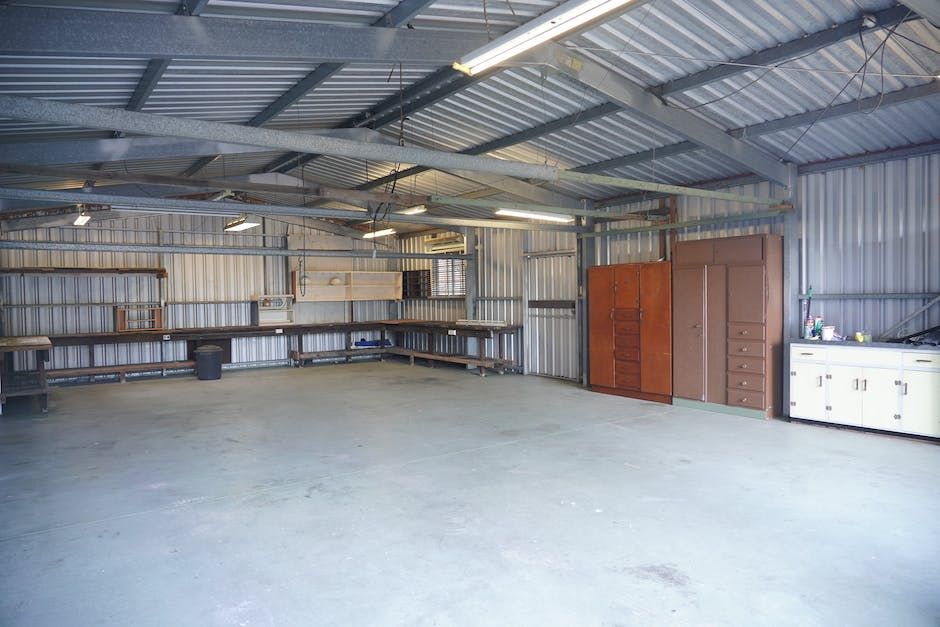
Installing an epoxy flake garage floor leads to a whole host of benefits for your business. Get the facts in this article.
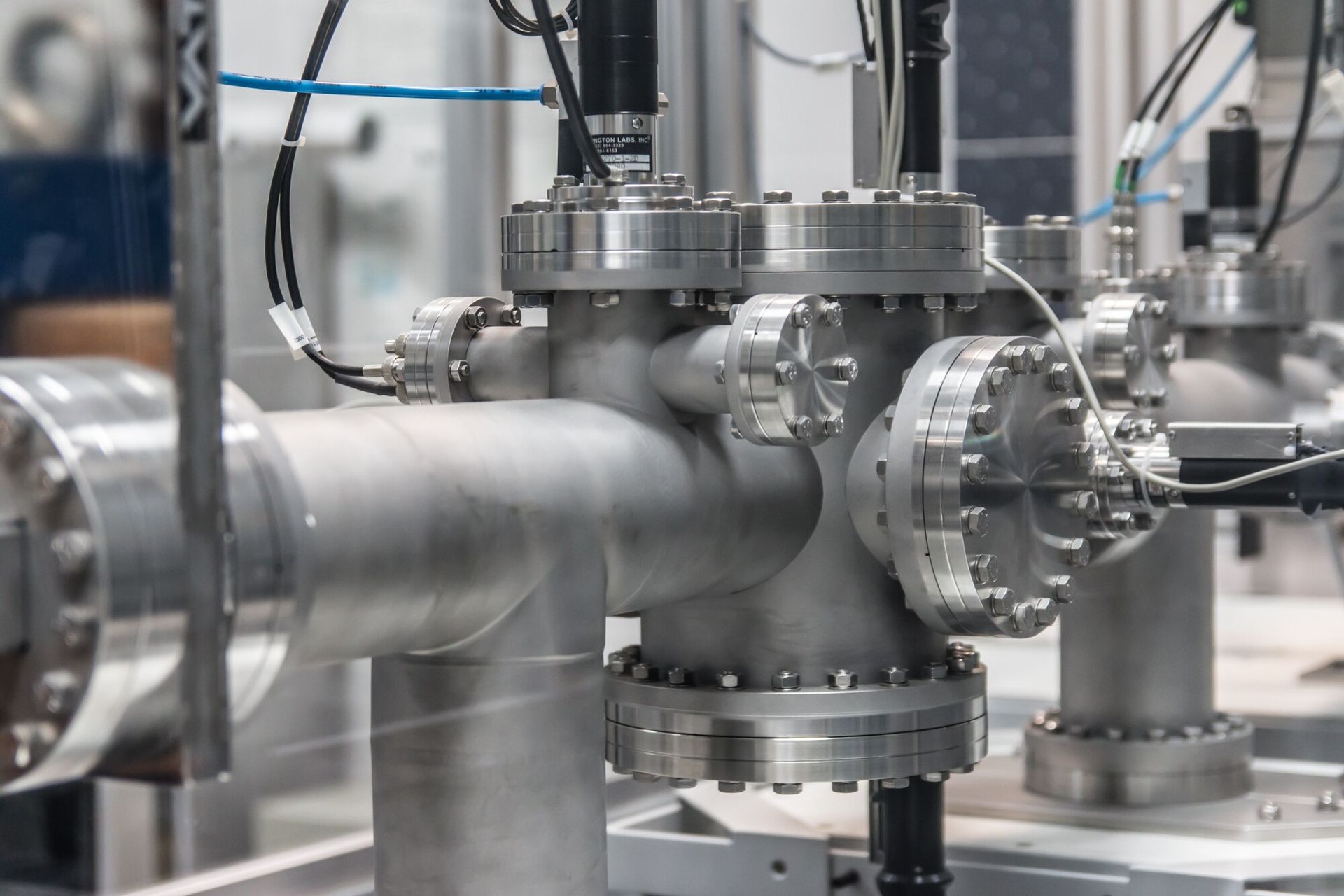
Are you wondering how you can enhance your aesthetics with industrial coatings? Learn about customization options in this guide.
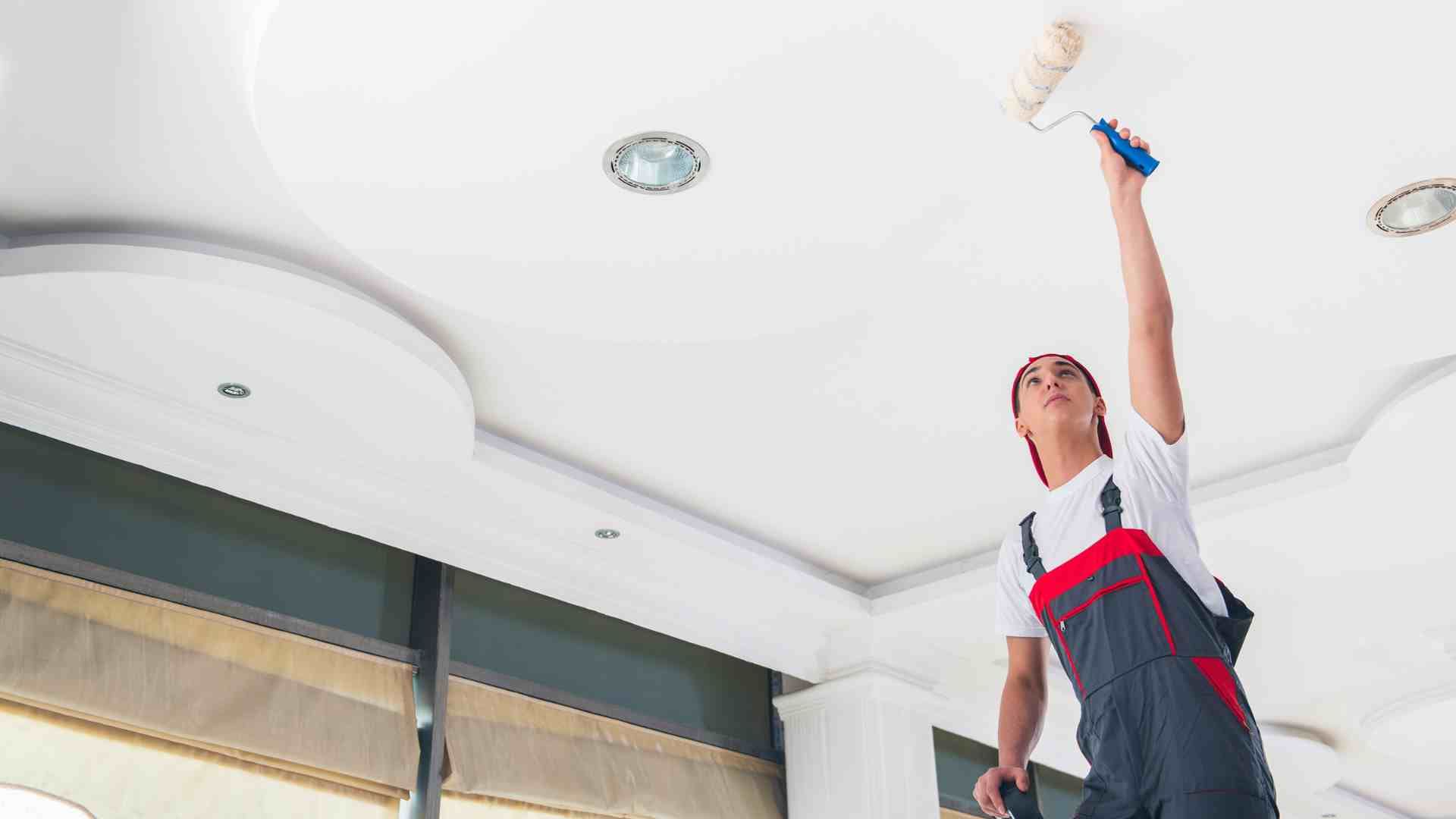
Choose the right commercial painting contractor with expert tips. Get the job done on budget and on time with the perfect team for needs.
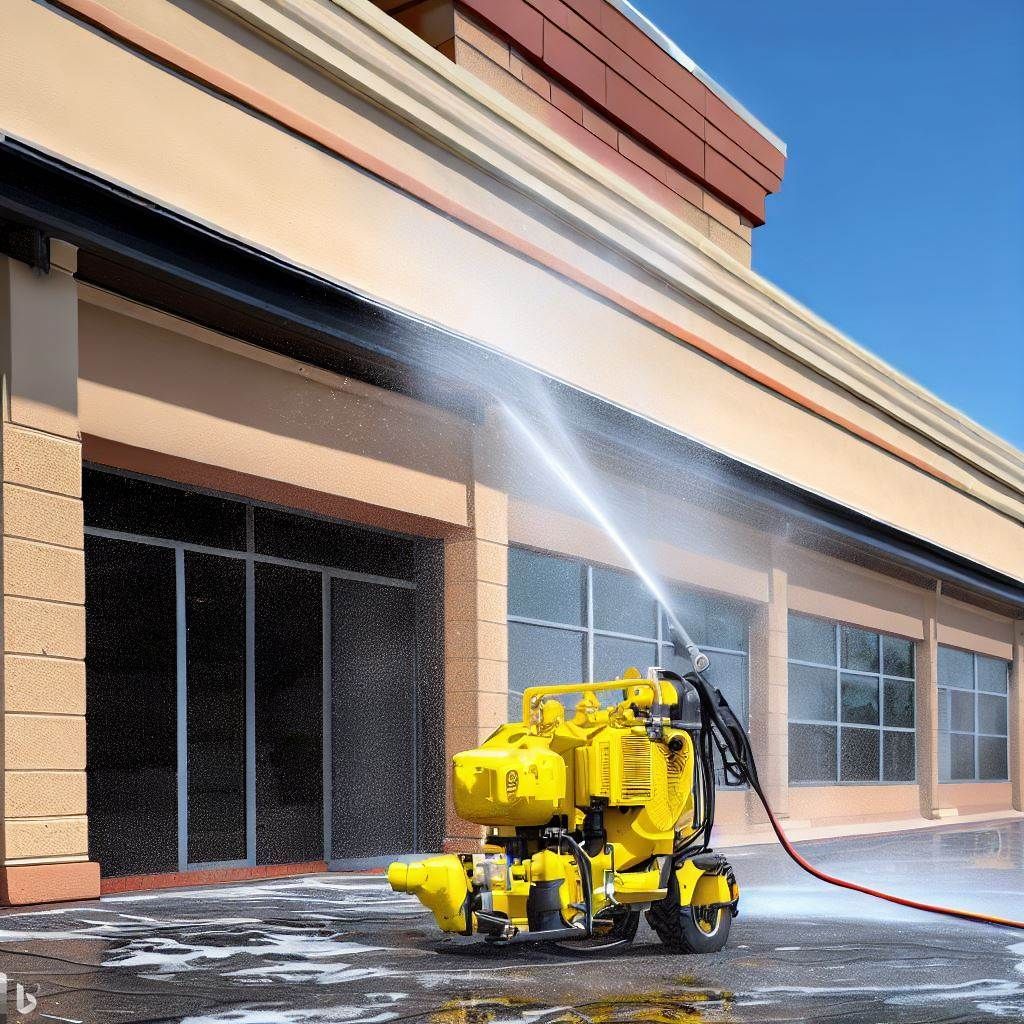
Here's Why you should include commercial pressure washing services in your maintenance plan and to keep your property in good shape.
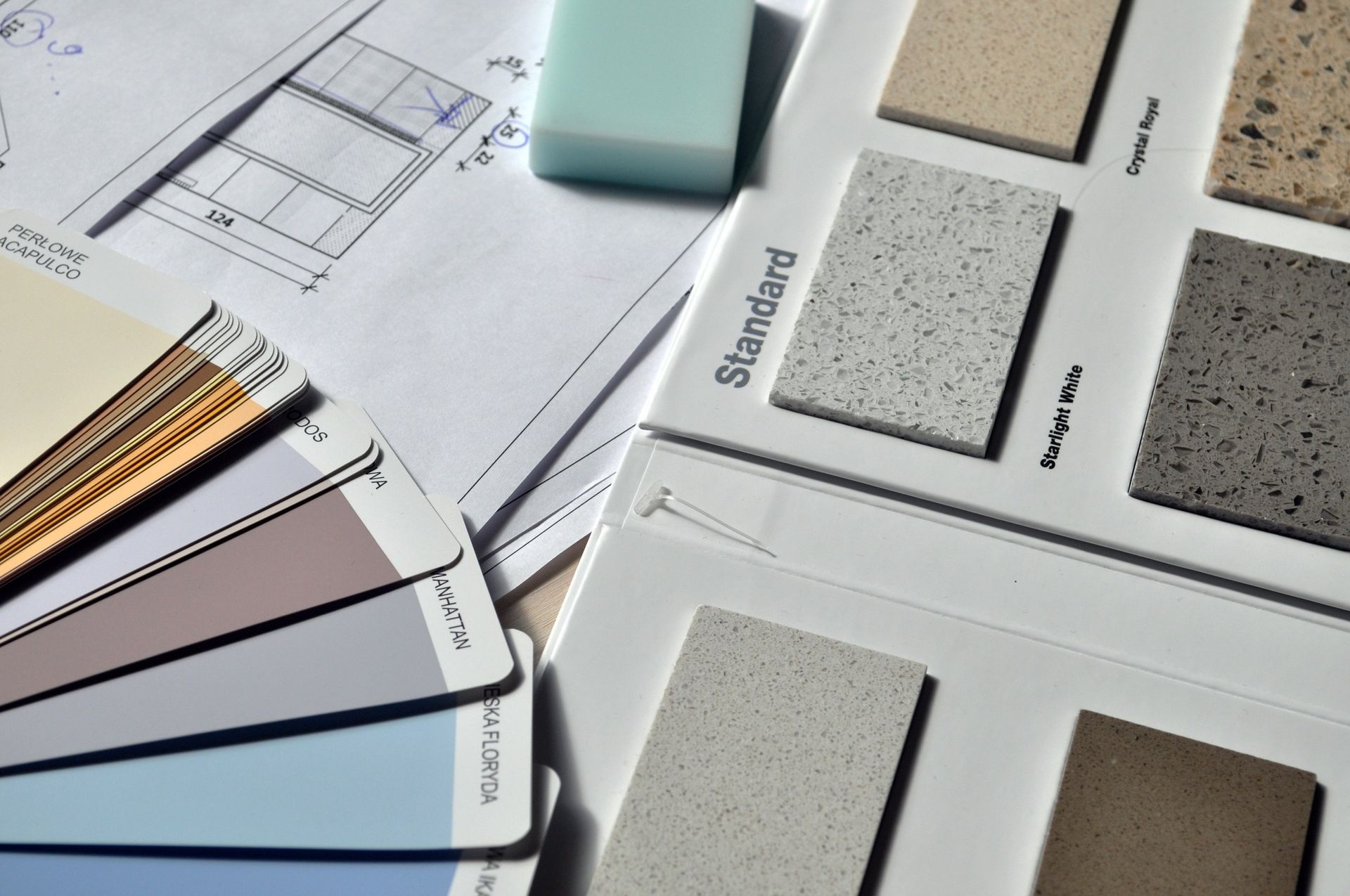
Need a commercial paint job for a new office building? Learn more about the difference between interior and exterior paint.
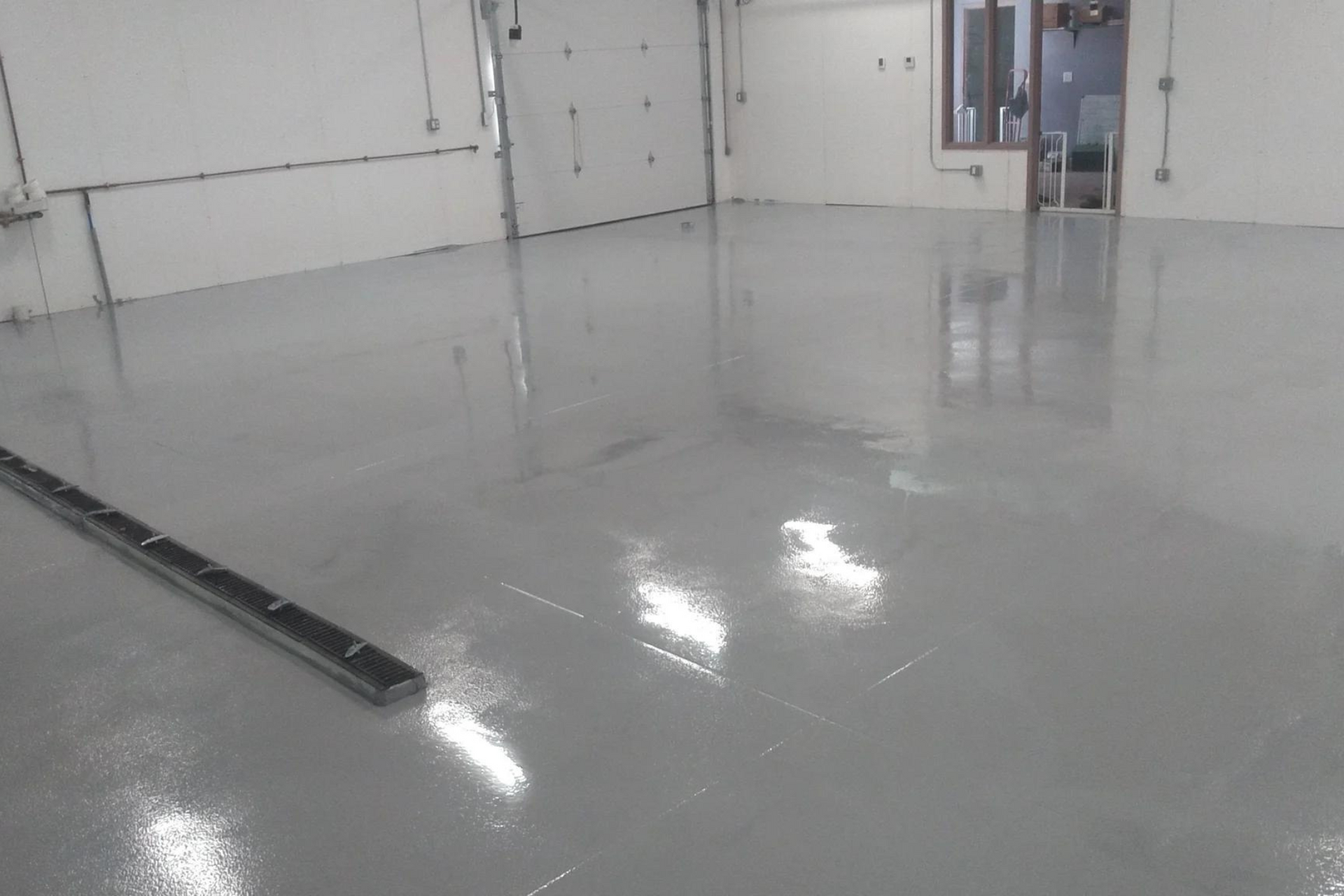
Looking for a durable and efficient coating solution? Learn more about polyaspartic floor coating, its benefits, and why you should use it.
Looking to freshen up your hotel? This guide provides property managers with essential tips and tricks for the best results when painting your property.
Professional metal building and warehouse painting can provide a range of benefits to your business, including increased durability, improved aesthetics, and better energy efficiency. Read on to learn more.
Building waterproofing services can play an integral role in ensuring your investment remains safe and does not cost you in maintenance.
Pipe coating is a great way to make your pipes last longer and protect them from corrosion. This is what you need to know about coating your pipes.
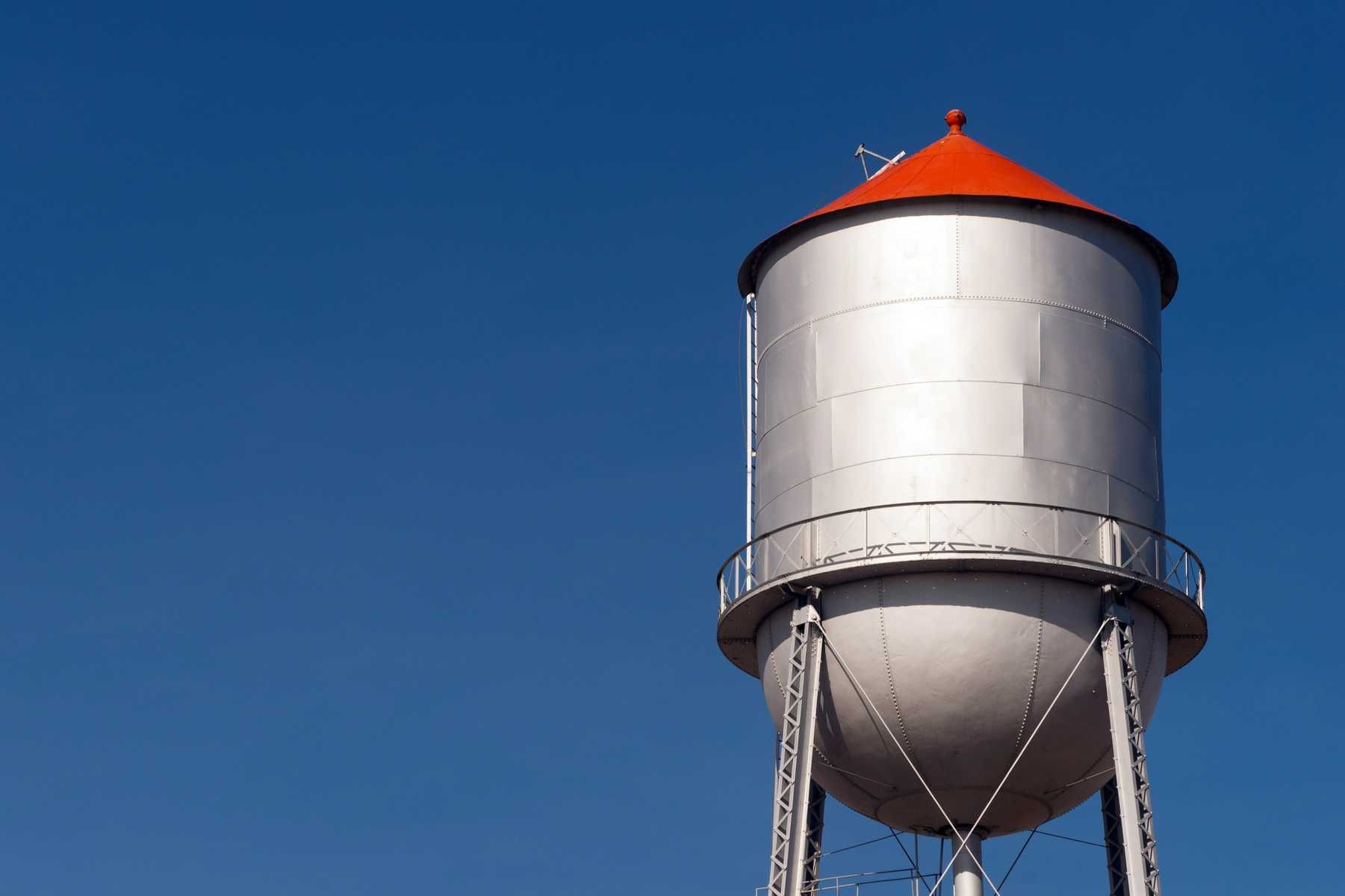
How does water tank paint protect your storage from corrosion, and what are the best practices? Read this guide to learn the benefits and what to consider.
Custom Coatings provides floor striping for warehouses across the Southeast, helping facilities improve traffic flow, safety, and organization.
Custom Coatings provides commercial pressure washing services to remove dirt, stains, and buildup from commercial properties across the Southeast.
Protect your facility with anti-corrosion coating from Custom Coatings. Serving commercial and industrial properties across North Carolina. Get a free quote.
Custom Coatings provides trusted commercial painting contractors serving North Carolina with expert coating solutions for tough commercial sites.
Explore waterproof roof coating solutions trusted by facility managers. Contact Custom Coatings to protect your commercial roof.
Spring storms are coming. Here’s what NC property managers need to know about above-grade waterproofing before water becomes a problem.
Industrial epoxy floor coating cost & value from Custom Coatings. Serving the Southeast with durable solutions for industrial facilities.
Roof coating vs roof replacement: how facility managers can determine the right solution for extending roof life and protecting their buildings.
Need concrete polishing contractors? Custom Coatings serves North Carolina with durable commercial floor finishes built for high traffic facilities.
Lower energy costs with commercial roof coatings from Custom Coatings. Serving North Carolina commercial properties with proven roof coating solutions.