
Is Fall a Good Time to Paint the Exterior of a Commercial Building?
Last Updated: October 15, 2026
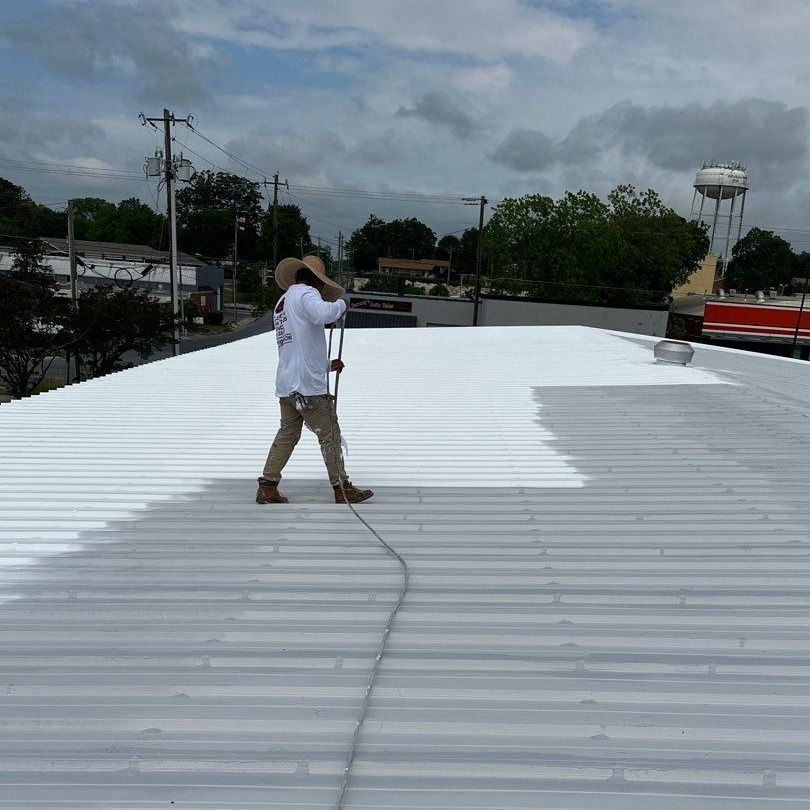
Short answer: Fall can be an excellent time to paint a commercial building, especially in North Carolina and the surrounding Southeast. Our beautiful, mild daytime temperatures create perfect application conditions, and many businesses find it easier to schedule work after the busiest part of summer. So yes, with the right products and an experienced commercial painting team, fall is an excellent window to finish your project before wet winter weather arrives.
The Calendar Doesn’t Decide When Painting Season Ends
Let’s break it down in a bit more detail.
Property managers sometimes assume exterior painting needs to stop as soon as summer ends. As mentioned above, the exterior painting season in the Southeast can extend well into fall. The mild weather offers excellent conditions, especially compared with the extreme heat and humidity of summer.
Different coatings have different application requirements too, which gives experienced contractors plenty of options when planning a fall project. Some exterior acrylic products can be applied and cured at relatively low temperatures, while others require a warmer window. By matching the product and schedule to the actual conditions, we can continue producing durable results long after summer is over.
Daytime Temps and Exterior Painting in the Southeast
The key is looking beyond the afternoon high and planning around the full curing window. A professional painter considers daytime temperatures, overnight lows, and the amount of drying time available before selecting the product and daily schedule.
Surface temperature matters too, not just the air temperature. For example, a shaded wall may remain cooler in the morning, while a dark surface in direct sunlight can become warmer than the forecast suggests. We account for these differences by adjusting where and when crews work throughout the day.
Dew Can Be Sneakier Than Rain
Everyone knows not to paint through a downpour, but what about dew? It really doesn’t get the thought/attention it deserves. As days get shorter and evenings cool down, moisture can settle on a surface before fresh paint has had enough time to dry. That moisture may interfere with film formation.
Again, we know how to navigate these variables, both through when we paint and through the products we choose.
Fall May Actually Make Your Commercial Repaint Easier on Your Operations
Another benefit of fall painting? For some facilities, fall can bring more predictable traffic patterns or a slower operational period. This means work can be completed in phases, section by section, or during off-hours to keep entrances, loading areas, and other essential spaces accessible. Planning before the project also gives the contractor time to coordinate lifts, pedestrian routes, parking restrictions, safety zones, and communication with building occupants.
All this means that the right time to paint isn’t just the week with the nicest forecast. It’s the window where weather, site access, and daily operations can be managed without sacrificing safety or coating performance.

What Should Your Painter Consider Before Painting in the Fall?
As we plan your fall project, taking advantage of the window before winter, what do we consider?
- The existing coating
- The material being painted, such as masonry, metal, concrete, or wood
- Air and surface temperatures during application and curing
- Humidity, dew point, recent rain, and the upcoming forecast
- Product-specific application and dry-time requirements
- Access, safety, traffic, and operational constraints
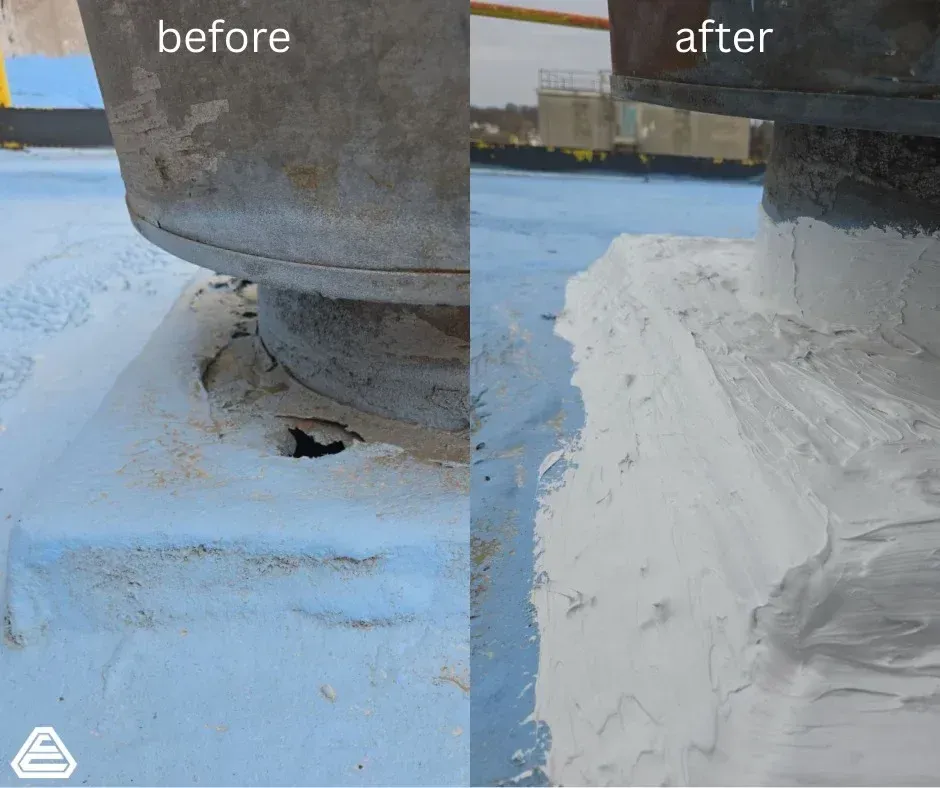
- Repairs or preparation needed before coating begins
These details help us select the right coating system, establish the best daily work hours, and phase the project around your operations.
If you have more questions,
contact us at Custom Coatings! We’d love to help you make the best choice for your property (and timeline!).
Frequently Asked Questions
Q. How cold is too cold to paint a commercial building?
It depends on the coating. Some exterior products are formulated for application at lower temperatures than others. That’s why we follow the product’s technical data sheet and account for air temperature, surface temperature, and overnight conditions.
Q. Can commercial exterior paint be applied if nights are cold?
Yes, in many cases. The contractor will select a coating rated for the expected temperatures and schedule application so it has enough time to dry before temperatures drop. Cold nights don’t automatically rule out a commercial exterior painting project.
Q. How long after rain can exterior painting begin?
There’s no universal waiting period because masonry, wood, metal, and other surfaces hold moisture differently. Painting should begin only after the substrate is sufficiently dry and the forecast provides enough rain-free curing time for the selected product.
Q. Can a business stay open during exterior painting?
Usually, yes. Contractors can often phase the project, redirect traffic, coordinate around deliveries, and schedule sensitive areas during lower-traffic hours. Some areas may need to close temporarily for safety or access.
Q. Should peeling paint wait until spring?
If peeling has exposed the underlying material or is connected to moisture, corrosion, or failed sealants, delaying repairs may allow the damage to spread. An inspection can determine whether the issue needs immediate attention or can be safely scheduled later.

Joe Brindle
Joe Brindle is the President and co-founder of Custom Coatings Inc., bringing more than 30 years of experience in commercial and industrial painting and coatings. Since founding the company in 1991, Joe has built extensive hands-on knowledge of coating systems, surface preparation, estimating, project planning, and product selection for commercial and industrial facilities throughout the Southeast.

SHARE THIS ARTICLE
OUR RECENT BLOG ARTICLES