Which Industrial Floor Coatings Work Best for Heavy Use?
Last Updated: November 20, 2026
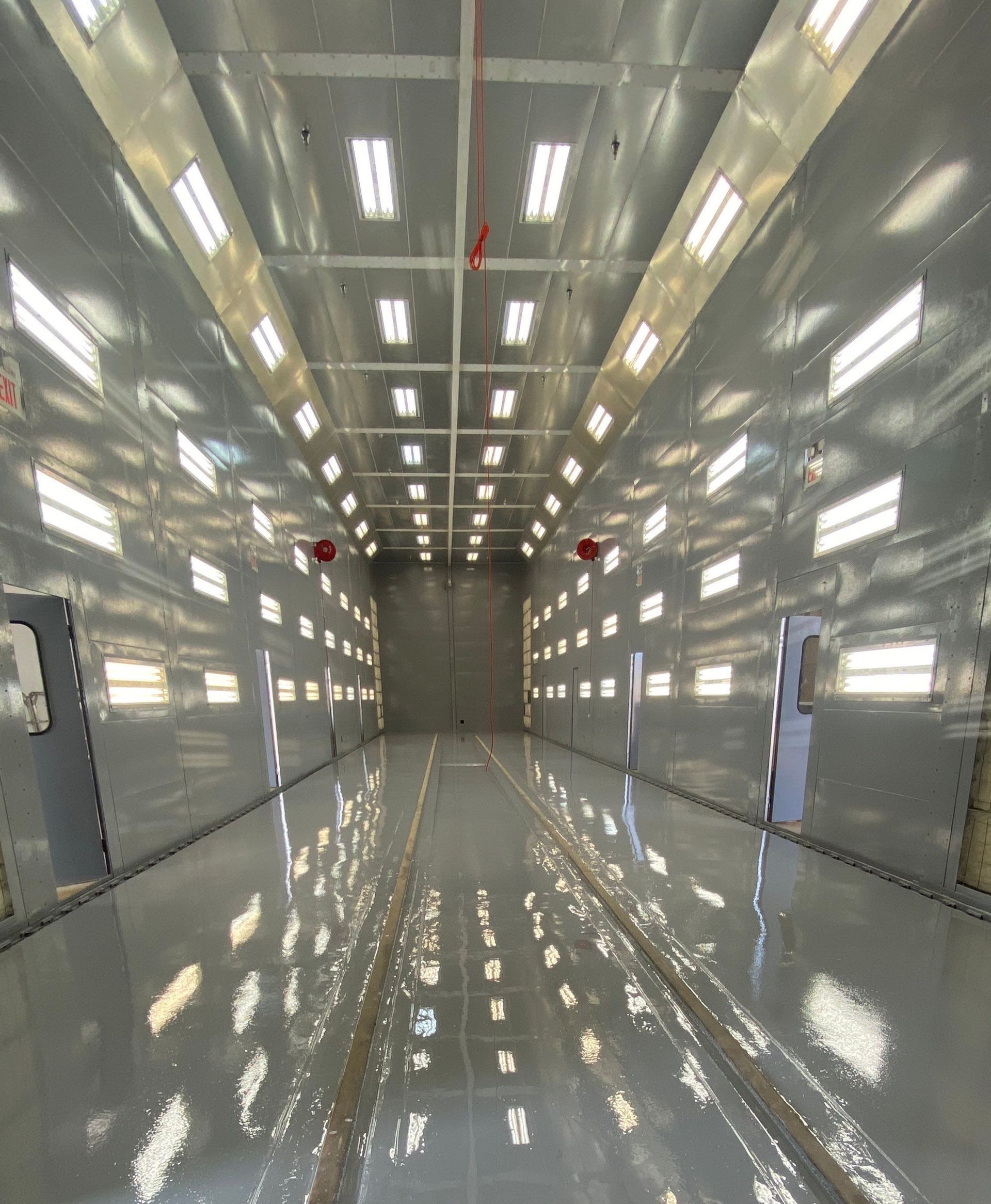
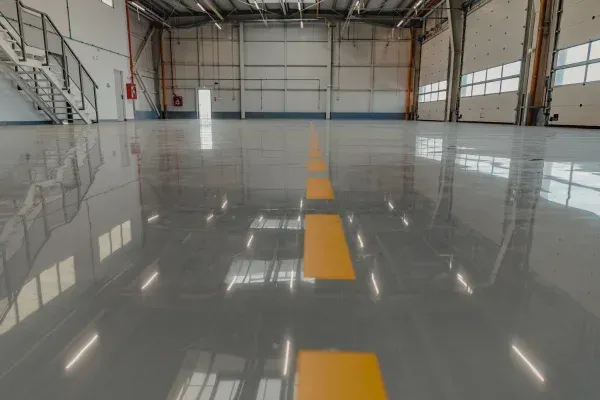
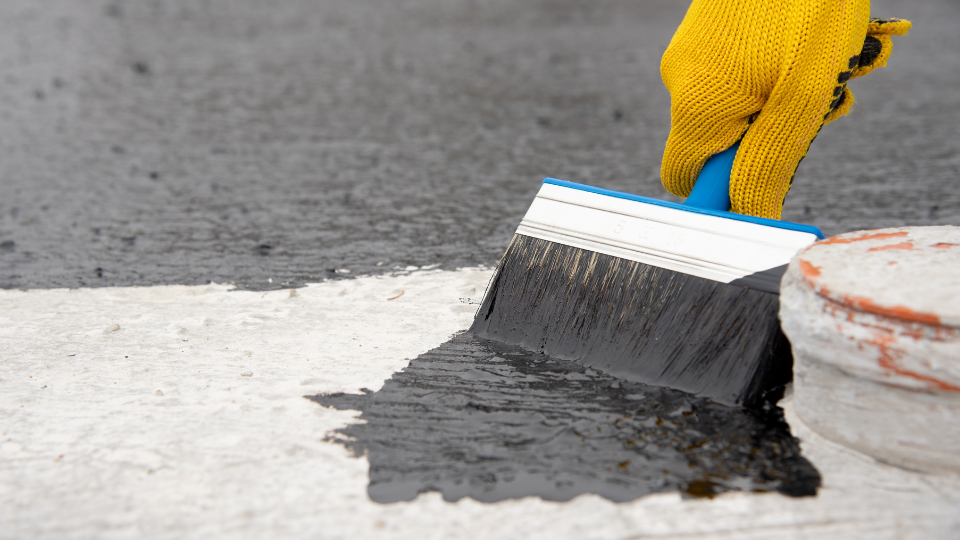
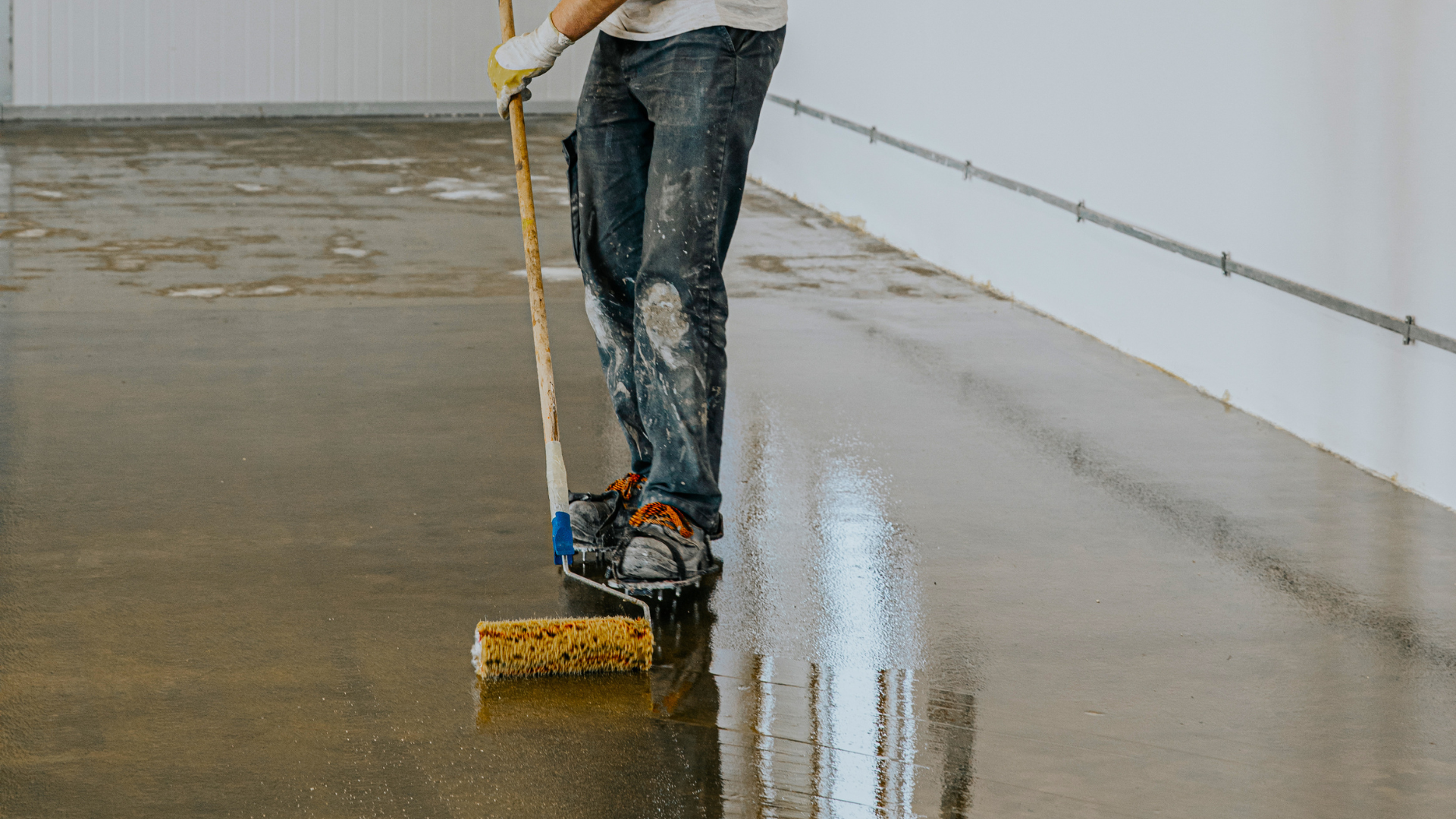
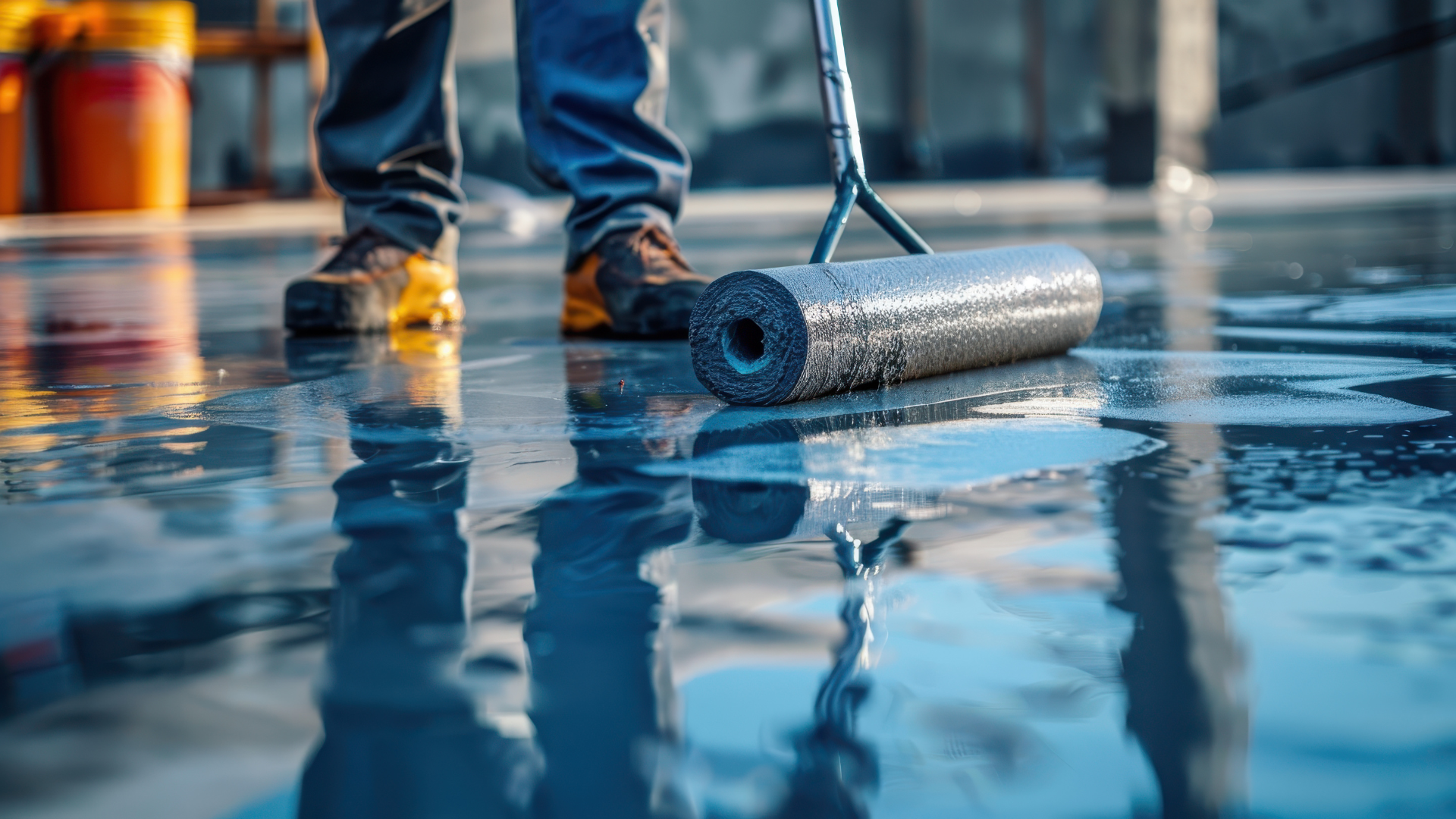
Industrial floors face demanding conditions every day. From constant forklift traffic and heavy machinery to chemical spills and frequent cleaning, these surfaces must withstand conditions that can wear down unprotected concrete. Choosing the right industrial floor coatings can help facility managers protect their floors, maintain safe working conditions, and reduce long-term maintenance needs.
With several coating systems available, selecting the right option depends on how a facility operates. Epoxy, polyurethane, polyaspartic, and urethane cement coatings each offer different performance characteristics that make them suitable for various industrial environments.
Understanding these differences can help facility managers make informed decisions about their flooring investments.
Why Industrial Floor Coatings Matter for Heavy-Use Facilities
Concrete is widely used in industrial facilities because of its strength and load-bearing capacity. However, untreated concrete is porous and can deteriorate when exposed to repeated abrasion, chemicals, moisture, and heavy equipment.
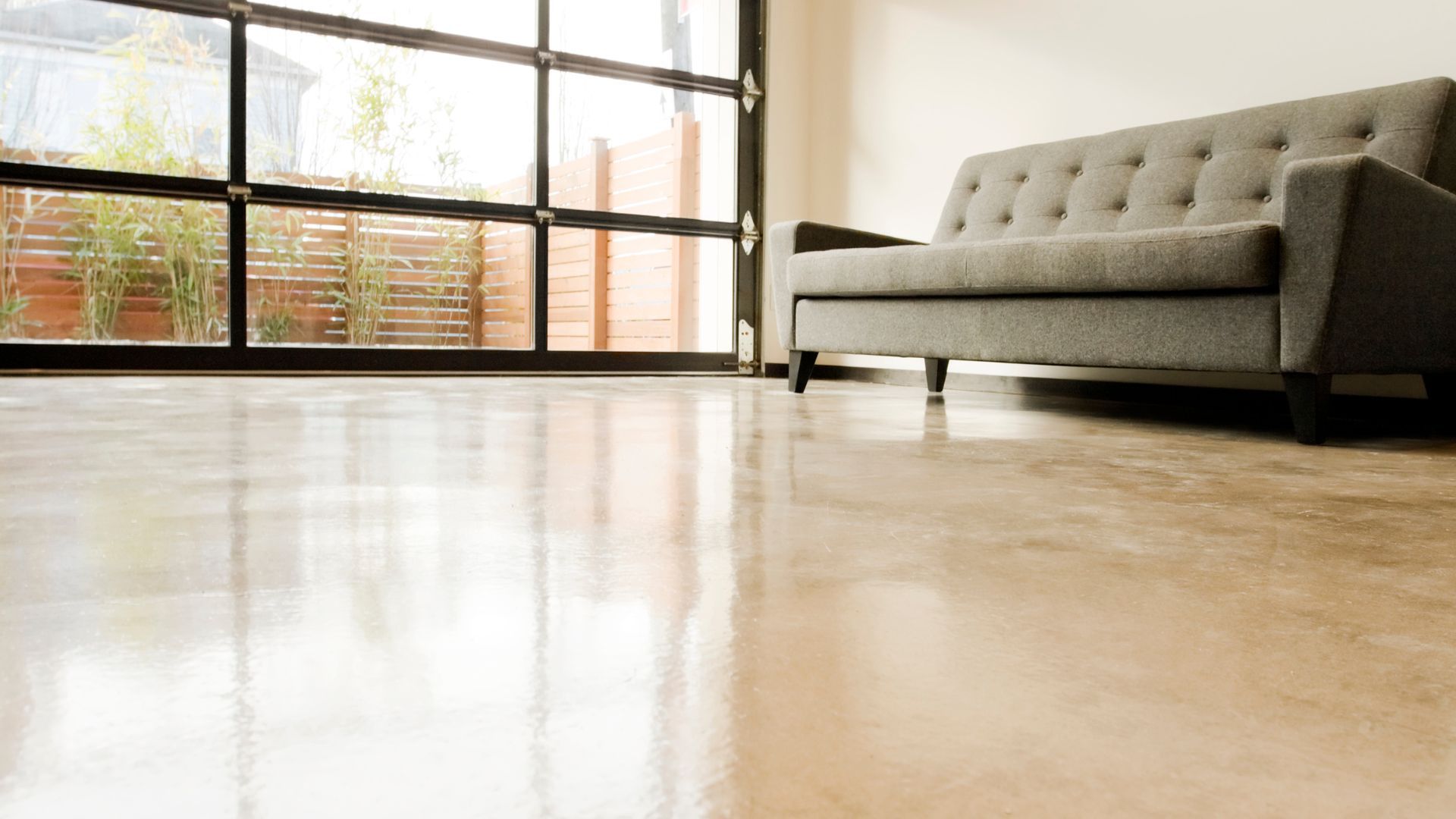
Industrial floor coatings create a protective surface that helps reduce wear while making floors easier to clean and maintain. Depending on the coating system, they can also improve resistance to chemicals, impact, and thermal stress.
For facility managers, selecting an appropriate coating can provide several operational benefits:
- Reduced concrete surface wear from equipment and vehicle traffic
- Improved resistance to oils, chemicals, and cleaning products
- Easier removal of dirt, dust, and industrial contaminants
- Better traction through properly selected slip-resistant finishes
- Reduced maintenance demands and fewer unplanned flooring repairs
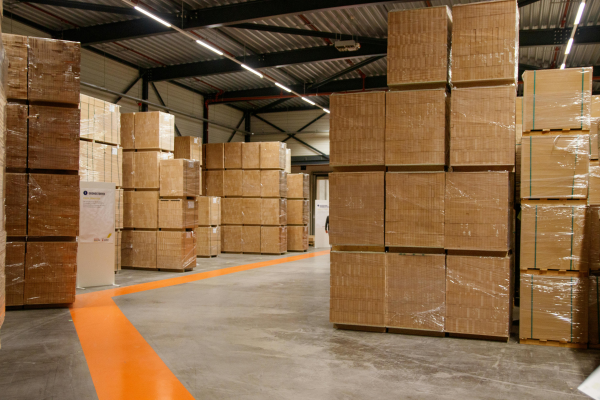
- Improved visibility through designated walkways and safety markings
The performance of any coating depends on several factors, including the condition of the concrete, surface preparation, installation methods, and daily operating conditions.
Comparing Industrial Floor Coatings for Heavy Traffic
Different coating systems are designed to address specific performance requirements. Understanding their characteristics is an important step in determining which industrial floor coatings may work well for a particular facility.
Epoxy Floor Coatings
Epoxy is a widely used industrial flooring system known for its adhesion to properly prepared concrete, abrasion resistance, and ability to form a durable protective surface.
Epoxy coatings are commonly installed in warehouses, manufacturing facilities, automotive service areas, and distribution centers.
Depending on the formulation and thickness, epoxy systems can provide:
- Resistance to abrasion from foot traffic and material-handling equipment
- Protection against many oils, chemicals, and industrial fluids
- A seamless surface that simplifies routine cleaning
- Options for slip-resistant aggregates and safety markings
- High-build systems that can accommodate demanding operating conditions
Epoxy systems are available in multiple formulations, including high-solids, self-leveling, and mortar-based applications. The appropriate system depends on the expected loads, chemical exposure, and condition of the concrete.
For facilities with heavy forklift traffic or repeated impact, a properly specified high-build epoxy system may provide additional protection compared with a thin-film application.
Polyurethane Floor Coatings
Polyurethane coatings are another option for industrial environments where abrasion resistance, flexibility, and surface durability are important.
These coatings are frequently used as protective topcoats over epoxy systems, although certain polyurethane formulations can also serve as part of other industrial flooring assemblies.
Polyurethane coatings may offer:
- Strong resistance to scratching and surface abrasion
- Flexibility that can help accommodate minor substrate movement
- Resistance to certain chemicals and cleaning agents
- UV-resistant formulations for areas exposed to sunlight
- A range of finishes and slip-resistant textures
Polyurethane topcoats can be particularly useful in facilities where floors experience frequent movement from wheeled equipment or where maintaining the appearance of the surface is important.
Because polyurethane products vary in their chemical and mechanical properties, the coating formulation should be matched to the facility's operating conditions.
Polyaspartic Floor Coatings
Polyaspartic coatings are often considered for industrial facilities where installation schedules and return-to-service times are major concerns.
Many polyaspartic systems cure relatively quickly, allowing facilities to reduce the time certain work areas remain unavailable. Actual curing and return-to-service times depend on the product, application conditions, and expected traffic.
Other characteristics can include:
- Good abrasion and wear resistance
- Resistance to various chemicals and industrial contaminants
- UV stability in suitable formulations
- Options for decorative finishes and slip-resistant textures
- Faster curing schedules than many conventional coating systems
Polyaspartic coatings may be useful for facilities that operate multiple shifts or have limited maintenance shutdown windows.
Installation conditions still require careful consideration. Temperature, humidity, surface preparation, and application timing can all affect the finished coating.
Urethane Cement Flooring Systems
Urethane cement, sometimes called polyurethane concrete, is commonly used in industrial environments exposed to moisture, thermal cycling, and demanding sanitation requirements.
These systems combine cementitious materials with polyurethane chemistry to create a flooring surface suited to specific industrial conditions.
Urethane cement is frequently installed in food processing plants, commercial kitchens, pharmaceutical facilities, and manufacturing areas where hot-water washdowns or temperature fluctuations occur.
Performance characteristics may include:
- Resistance to thermal shock and repeated temperature changes
- Tolerance for certain moisture conditions when properly specified
- Resistance to a range of chemicals and cleaning agents
- Durable surfaces for demanding industrial operations
- Textured finishes that support traction in wet environments
Urethane cement systems can be installed at different thicknesses depending on the facility's needs. Areas exposed to heavy impact, frequent washdowns, or substantial temperature changes may require thicker flooring assemblies.
How to Choose Industrial Floor Coatings Based on Facility Conditions
Selecting industrial floor coatings involves more than comparing product specifications. Facility managers should evaluate how the floor is used and which conditions create the greatest risk of deterioration.
Forklift Traffic and Heavy Equipment
Warehouses and distribution centers often experience concentrated wear along forklift travel paths, loading areas, and turning points.
Repeated wheel movement, braking, and heavy loads can place significant stress on flooring surfaces.
Coating thickness, abrasion resistance, substrate strength, and the type of equipment operating in the facility should all influence system selection.
Chemical Exposure and Spill Protection
Manufacturing and maintenance facilities may expose floors to oils, solvents, acids, cleaning agents, and other industrial chemicals.
Chemical resistance varies by coating formulation and the concentration, temperature, and duration of exposure.
Before selecting a coating, facility managers should identify which substances regularly contact the floor. This information helps contractors recommend systems with suitable chemical resistance.
Moisture and Temperature Changes
Moisture conditions can affect both coating installation and long-term adhesion.
Concrete slabs with elevated moisture levels may require additional testing, moisture mitigation, or a system specifically approved for those conditions.
Facilities that experience frequent temperature changes should also consider how thermal expansion, contraction, and cleaning procedures affect flooring performance.
Downtime and Installation Scheduling
For industrial operations, taking a production area out of service can affect schedules, staffing, and output.
Some industrial floor coatings require longer curing periods, while others allow for faster installation and return to service.
A professional contractor can help evaluate installation windows, environmental conditions, and traffic requirements to develop a practical project schedule.
Why Surface Preparation Is Critical to Coating Performance
Even a high-performance coating can experience premature failure if the underlying concrete is not properly prepared.
According to the Association for Materials Protection and Performance (AMPP), proper concrete surface preparation is essential for achieving reliable coating adhesion and long-term performance. The organization also emphasizes the importance of evaluating existing coatings, surface contamination, concrete damage, and moisture conditions before selecting a preparation method.
Facility managers should also consider joints, drainage areas, equipment bases, and transitions between different flooring surfaces. These details can influence how well the finished system performs over time.
Proper preparation and installation are essential for achieving the expected service life of any industrial coating.
Maintaining Industrial Floor Coatings for Long-Term Performance
Once installed, industrial floor coatings benefit from consistent maintenance practices.
Routine cleaning helps remove abrasive debris that can accelerate surface wear. Facilities should also use cleaning products compatible with their specific coating system.
Periodic inspections can identify localized damage, worn traffic lanes, or areas where repairs may be needed.
Addressing these issues early can help prevent more extensive deterioration and extend the useful life of the flooring system.
Maintenance requirements should be discussed with the coating contractor before installation so facility managers understand how to care for the finished surface.
Find the Right Industrial Floor Coating System With Custom Coatings
No single flooring system is appropriate for every industrial environment. The right choice depends on equipment traffic, chemical exposure, temperature conditions, maintenance requirements, and installation schedules.
Custom Coatings works with commercial and industrial facilities throughout North Carolina and the Southeast to provide professional coating solutions for demanding environments.
Whether your facility needs protection against heavy equipment traffic, improved chemical resistance, or a flooring system that supports daily operations, our team can help evaluate your needs and identify an appropriate solution.
Contact Custom Coatings today to discuss your industrial floor coating project and learn more about the options available for your facility.
FAQ
How does forklift traffic affect the type of floor coating a facility needs?
Frequent forklift traffic creates concentrated wear in travel lanes, turning areas, and loading zones. Facilities should consider coating thickness, abrasion resistance, wheel types, and concrete conditions when selecting a flooring system.
Can industrial floor coatings withstand chemical spills and frequent washdowns?
Many industrial coating systems provide resistance to chemicals, moisture, and cleaning products, but performance depends on the specific formulation. Facility managers should evaluate the types of chemicals used, exposure duration, and cleaning temperatures before choosing a system.
Is it possible to recoat an industrial floor without removing the existing coating?
In some cases, an existing coating can be recoated if it remains firmly bonded to the concrete and is compatible with the new material. A professional assessment is necessary to identify adhesion problems, contamination, or damage that may require removal or additional surface preparation.

Joe Brindle
Joe Brindle is the President and co-founder of Custom Coatings Inc., bringing more than 30 years of experience in commercial and industrial painting and coatings. Since founding the company in 1991, Joe has built extensive hands-on knowledge of coating systems, surface preparation, estimating, project planning, and product selection for commercial and industrial facilities throughout the Southeast.

SHARE THIS ARTICLE
OUR RECENT BLOG ARTICLES